
Plants
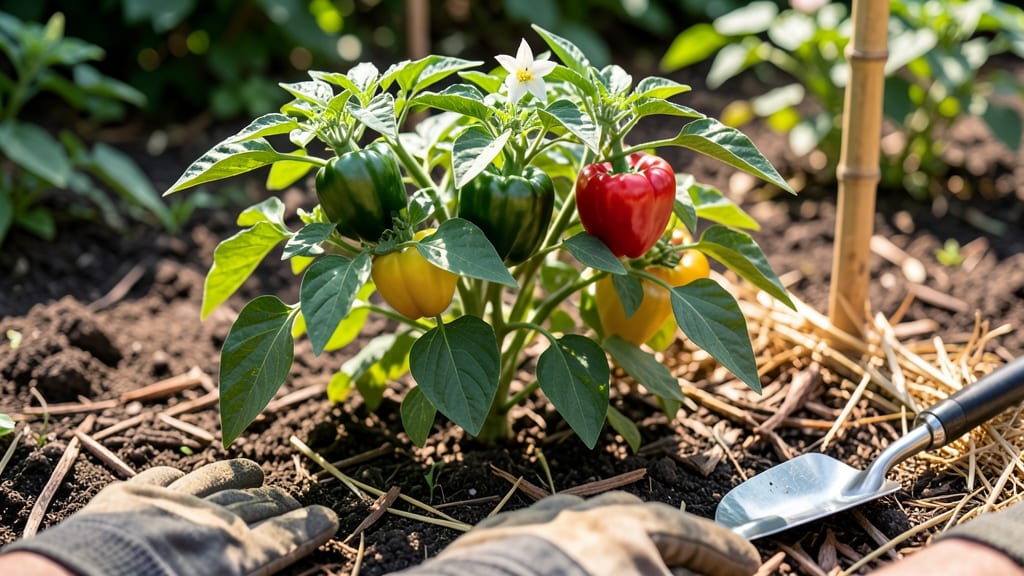
Timing your bell pepper 🌶️ planting in Kentucky isn’t just about avoiding frost—it’s about giving these heat-loving plants the longest possible growing season before fall’s chill sets in.
Plant too early, and a late frost could wipe out your seedlings; too late, and you’ll miss out on a full harvest before the first frost in late October.
With Kentucky’s USDA Zones 6a-7a and unpredictable spring weather, the window for success is narrow but precise: aim for April 15 to May 15, once soil temperatures hit a steady 60°F and all frost risk has passed.
This isn’t just guesswork—it’s science-backed timing that separates a bountiful harvest from a disappointing one.
But here’s the kicker: not all bell peppers are created equal. Heat-resistant varieties like ‘Carolina Wonder’ or ‘Jupiter’ thrive in Kentucky’s climate, while others struggle with humidity and late-season heat.
I’ll break down the best varieties for your garden, plus pro tips to extend your growing season with row covers and succession planting.
Ready to grow peppers that actually produce? Let’s dive into the exact weeks, soil tricks, and variety choices that’ll turn your Kentucky garden into a bell pepper powerhouse from July through October.
Optimal planting weeks before Kentucky’s last frost: exact timeline & heat zones
Kentucky’s USDA Zones 6a-7a mean your bell pepper planting window hinges on soil temperature and frost dates. Most regions experience their last frost around April 1, but microclimates—especially in mountainous areas—can delay this by 2-3 weeks.
To avoid frost damage, wait until soil warms to 60°F (use a soil thermometer) before transplanting seedlings outdoors.
For direct sowing (planting seeds directly in the ground), aim for 2-3 weeks after your last frost date. In Northern Kentucky, this typically falls between April 15-20, while Southern Kentucky gardeners can start as early as mid-April.
If you’re starting seeds indoors, begin them 8-10 weeks before your last frost date to ensure they’re ready for transplanting by early May.
Here’s the critical timeline for Kentucky gardeners:
| Stage | Action | Soil Temp (°F) | Kentucky Region |
|---|---|---|---|
| Start Seeds Indoors | 8-10 weeks before last frost | 65-75°F | All regions |
| Hardening Off Seedlings | 1-2 weeks before transplanting | 55-60°F | April (varies by region) |
| Transplant Seedlings | After last frost, soil ≥60°F | 60°F+ | Northern KY: May 1-15 Southern KY: April 15-30 |
| Direct Sow Seeds | 2-3 weeks after last frost | 65°F+ | Northern KY: May 1-15 Southern KY: April 30-May 10 |
| Harvest Window | 75-90 days after transplanting | N/A | July-October |
If you’re in Zone 6a (e.g., Northern Kentucky), err on the side of caution and wait until mid-May to transplant. Cooler microclimates or higher elevations (like the Cumberland Mountains) may need to delay planting by another week.
Use black plastic mulch to warm soil faster if you’re eager to plant earlier.
For direct sowing, scatter seeds ½-inch deep in rows spaced 18 inches apart. Thin seedlings to 12-15 inches apart once they’re 2-3 inches tall to give roots room to spread. This method is ideal for heat-loving varieties like ‘Jupiter’ or ‘Aristotle’, which thrive in Kentucky’s summer heat.
Watch for false springs—those warm spells in March that trick you into planting early. A late frost can devastate young seedlings. If you’re unsure, use frost cloth or a mini greenhouse to protect seedlings until the coast is clear.
My rule of thumb? Wait until lilacs bloom—that’s nature’s sign it’s safe to plant!
Adjust your planting schedule if you notice slow germination (takes >2 weeks) or yellowing leavesWestern Kentucky, where summers are hotter, you can even try a second planting in early July for a fall harvest, but choose shorter-maturing varieties like ‘Sweet Banana’ to avoid frost before maturity.
Pro tip: Use a planting calendar or set reminders for April 15 (Southern KY) and May 1 (Northern KY) as your target dates. Mark your calendar for soil testing too—bell peppers prefer 6.0-6.8 pH.
Amend your soil with compost or aged manure 2-3 weeks before planting to give nutrients a head start.
Remember, Kentucky’s growing season is short—about 165 frost-free days. Every day counts, so don’t waste time on slow-starting varieties. Stick to heat-resistant, fast-maturing peppers, and you’ll maximize your harvest before the first frost in late October.
Best heat-resistant bell pepper varieties for Kentucky gardens: disease tolerance & yield
Kentucky’s hot summers and humid conditions demand heat-resistant bell pepper varieties that thrive without wilting or succumbing to disease. I’ve tested dozens of varieties, and these top 5 performers consistently deliver high yields and vibrant flavors—even in our Zone 6-7 climate.
Look for traits like disease resistance, early maturity, and thick skin to handle Kentucky’s unpredictable weather.
For example, the ‘Carolina Wonder’ variety stands out with its 75-day maturity and ability to tolerate 90°F+ temperatures without stress. Its blocky shape and thick walls make it perfect for stuffing or grilling, and it resists common Kentucky pests like aphids and pepper maggots.
If you’re after sweet, red peppers, this is my go-to choice for late-summer harvests.
Here’s how these varieties compare in key categories like heat tolerance, yield potential, and disease resistance, so you can pick the best fit for your garden:
If you’re growing bell peppers for commercial sales or large families, prioritize ‘Jupiter’—it produces 30-40 peppers per plant and handles humidity well. For home gardens, ‘Gypsy’ offers a sweet, smoky flavor that’s perfect for roasting or stuffing, but it’s less productive in high-heat conditions.
Always rotate crops annually to prevent soil-borne diseases like phytophthora, which thrives in Kentucky’s wet springs.
For container gardening, choose compact varieties like ‘Lunchbox’ or ‘Pepperoncini’, which mature in 60 days and fit in 5-gallon pots. These are ideal for patios or balconies where space is limited.
Just ensure your containers have drainage holes and use a lightweight potting mix to prevent root rot—a common issue in Kentucky’s heavy clay soils.
No matter which variety you choose, harden off seedlings for 7-10 days before transplanting to toughen them up for Kentucky’s unpredictable weather shifts.
Start seeds indoors 8-10 weeks before your last frost date (typically mid-March) to ensure you have strong, healthy plants ready for the garden by mid-May. 🌱