
Plants
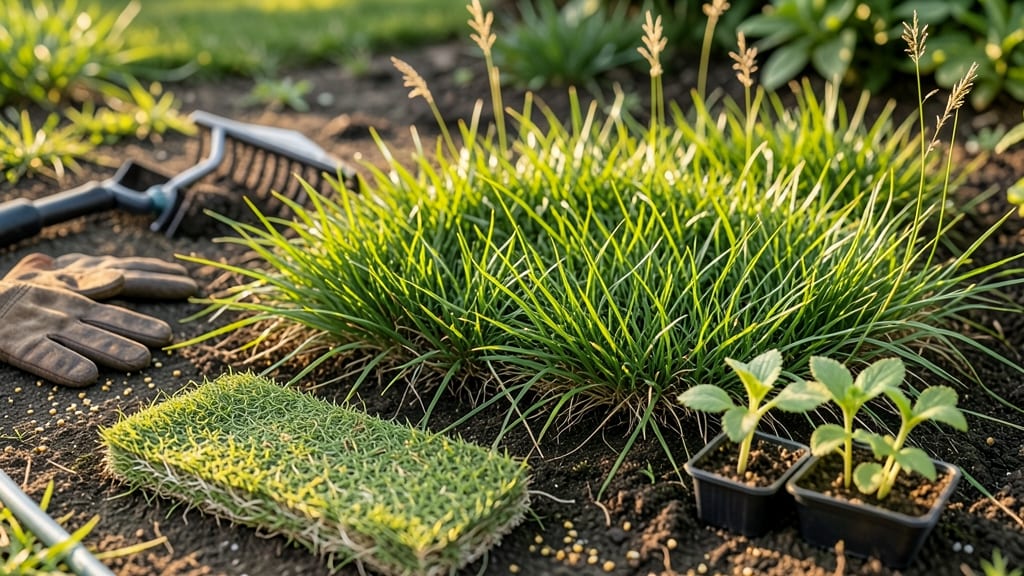
Planting Bermuda grass in Florida at the wrong time can turn your dream lawn into a slow-growing, weed-prone disappointment. The key to a fast, thick lawn isn’t just picking a month—it’s waiting for the soil to hit that 65-75°F sweet spot, where roots spread like wildfire.
I’ve seen firsthand how a few degrees too cool can stall growth for weeks, especially in Florida’s 8a-11 zones where heat and humidity play tricks on timing.
Most Florida homeowners rush to plant in early spring, only to watch their grass struggle under weak starts. The truth? Bermuda grass 🌱 thrives when the ground is consistently warm, not just air temperatures.
Whether you’re in coastal Jacksonville or inland Orlando, nailing this window means the difference between a lawn that fills in by summer and one that leaves bare patches for weeds to move in.
In this guide, I’ll break down the exact soil temperature triggers you need to watch, plus the best planting windows for your region—whether you’re using seed or sod.
You’ll also learn the three red flags that scream “plant too early,” so you can avoid costly mistakes and get that lush, fast coverage you’re after.
Ready to skip the guesswork? Let’s dive into how to time your planting for maximum root growth and minimum headaches—Florida-style.
Optimal soil temperature ranges for planting Bermuda grass in Florida
Florida’s warm climate makes it perfect for Bermuda grass, but timing your planting based on soil temperature—not just the calendar—is the secret to a thick, healthy lawn. Unlike cooler climates, Bermuda grass thrives in heat, but cold soil can stunt root growth and invite weeds.
The ideal soil temperature range for planting is between 65°F and 75°F, where roots establish quickly and drought resistance kicks in.
In North Florida, where nights can still dip in spring, wait until late April or early May to plant. Central Florida gardeners can start as early as March, while South Florida’s warmer winters allow February planting.
The key is consistency—soil should stay warm for at least 7–10 days before planting to avoid shock. Use a soil thermometer ($10–$15 at garden centers) to check temps 2–4 inches deep, where roots will grow.
If you plant too early, Bermuda grass seeds may rot in cold, wet soil, while sod can develop shallow roots that fail in summer heat. Conversely, waiting too long risks weed competition or missed growing seasons.
For example, planting in June or July means your grass will struggle during Florida’s peak heat, even if soil temps are ideal.
🌱
| Florida Region | Ideal Soil Temp | Best Planting Window | Why It Matters |
|---|---|---|---|
| North Florida (Panhandle) | 65–75°F | Late April–May | Cooler nights delay root growth; wait for consistent warmth. |
| Central Florida (Orlando/Tampa) | 68–75°F | March–April | Balanced temps prevent fungal risks while encouraging fast spread. |
| South Florida (Miami/Ft. Lauderdale) | 70–78°F | February–March | Warmer soil speeds germination; avoid summer planting to prevent stress. |
Testing soil temperature is simpler than you think. On a cloudy morning, insert the thermometer 2–4 inches deep and wait 30 seconds for an accurate reading.
If temps are below 65°F, delay planting—even by a week—to let the soil warm naturally. Sandy soils (common in Florida) heat up faster than clay, so adjust your timeline accordingly. For example, southern coastal areas may hit ideal temps earlier than inland regions due to ocean breezes.
Once soil temps are perfect, Bermuda grass roots can spread 3x faster than in cooler conditions, thanks to Florida’s humidity and sunlight. This rapid growth helps outcompete weeds naturally. However, if you’re planting sod, aim for 70°F+ soil to ensure the roots knit into the ground within 2–3 weeks.
Sod planted in cooler soil often develops a thatch layer that traps moisture, inviting fungal diseases like brown patch.
Pro tip: If you’re in a transition zone (like Lakeland or Ocala), monitor local weather forecasts for heatwaves or cold snaps. A sudden drop below 60°F can set back your lawn by weeks.
Use a lightweight row cover if planting early in North Florida to add 2–3°F of warmth to the soil.
🌡️
After planting, maintain soil temps by watering deeply 2–3 times per week (1–1.5 inches total) to keep roots cool but active. Avoid overwatering, which can leach nutrients and wash away seeds.
In August or September, you can also plant Bermuda grass for a fall establishment, but prioritize areas with well-draining soil to prevent waterlogging during Florida’s rainy season.
Remember: Soil temperature is your best friend when planting Bermuda grass in Florida. It’s not just about the heat—it’s about giving your grass the perfect warm-up to thrive all year. With the right timing, you’ll have a lawn that’s dense, drought-resistant, and weed-free by summer.
☀️
Best months to plant Bermuda grass by Florida region (with seed vs. sod differences)
Florida’s climate varies dramatically from its northern panhandle to the Florida Keys, so planting times shift based on your location. In North Florida, wait until late April or May when soil warms consistently above 65°F.
Meanwhile, Central Florida gardeners can start as early as March, while South Florida enjoys ideal conditions from February to March.
Your choice between seeds and sod also affects timing. Seeds need earlier planting (2-3 weeks ahead) to establish roots before summer heat, while sod thrives when planted slightly later (mid-to-late spring) for faster ground cover. Coastal areas may need adjustments due to higher humidity and salt exposure.
Here’s how to align your planting with Florida’s three key regions and microclimates:
For coastal properties, consider planting sod in early spring to outpace weeds before summer rains. Inland areas benefit from seed planting in late spring to avoid fungal issues from prolonged moisture. Always test soil temperature with a soil thermometer—aim for 65–75°F at 4-inch depth for optimal root growth.
Pro tip: If you miss the spring window, early fall (August–September) offers a second chance for planting. Bermuda grass goes dormant in winter, so avoid planting in late fall when cooler temps slow growth.
Adjust your schedule based on local rainfall patterns—dry spells may require extra watering to keep seeds moist during germination.
🌱