
Plants
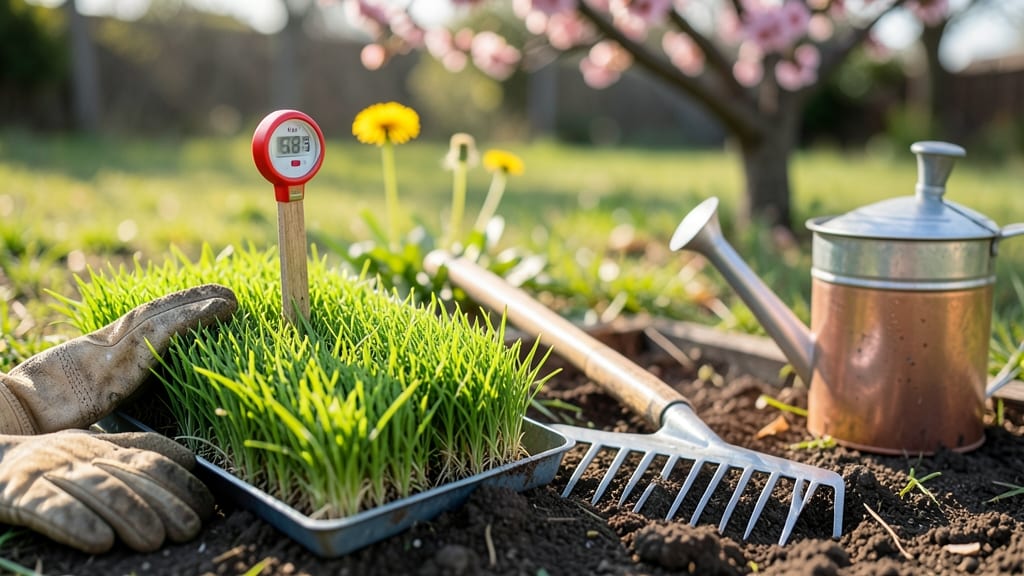
Timing your Bermuda grass 🌱 planting in Tennessee could mean the difference between a lush, green lawn and one that struggles to take hold—even in our warm climate.
The right window isn't just about the calendar; it's about soil warmth, regional microclimates, and avoiding those late frosts that can sneak up on you.
I’ve seen firsthand how planting too early or late can leave grass thin and weak, no matter how much care you put into it.
That’s why I’m breaking down the exact months that work best for your part of the state—whether you’re in East Tennessee’s cooler hills or Middle Tennessee’s balmier valleys.
For most of Tennessee’s 6a-7b zones, early spring (March-April) and late summer (August-September) are your sweet spots. But here’s the kicker: soil temperature matters more than the date on your calendar. We’ll cover how to check it and why waiting for that 65°F threshold makes all the difference.
Once you’ve got the timing right, the real work begins—watering schedules, fertilization windows, and mowing tricks that keep your grass thriving. Let’s get your lawn off to the strongest start possible.
Best planting months for Bermuda grass in Tennessee by region
Tennessee’s diverse climate means your Bermuda grass planting window depends on whether you're in the East, Middle, or West of the state. Each region has slightly different soil warmth and frost patterns, so I’ll break down the exact months for seed vs. sprig planting to maximize success.
For East Tennessee (USDA Zones 6a-7a), your last frost typically arrives around March 15-20.
This means you can start sprigs in early April once soil temps hit 70°F consistently. Seeds need slightly warmer soil (65°F+) and can go in as early as late March if nights stay above 50°F.
In Middle Tennessee (Zones 7a-7b), you’ve got more flexibility. Sprigs can go in as early as March 20-April 1 in the southern half, while seeds thrive when planted April 1-15. The warmer climate here lets you push the envelope slightly earlier than East Tennessee.
Don’t overlook fall planting (August-September) for West Tennessee, where the climate stays warm longer. This second window gives your grass time to establish 6-8 weeks of root growth before winter.
I’ve planted in late August here with excellent results—just avoid planting too close to the first frost (usually mid-November).
If you’re in East Tennessee and miss the spring window, consider sod instead—it establishes faster and can handle cooler temps better than seeds or sprigs. For Middle and West Tennessee, stick with sprigs in spring or seeds in early April for the best balance of speed and cost.
Pro tip: Use a soil thermometer to confirm temps before planting. I’ve seen seeds fail in March when soil was only 60°F—waiting an extra week for 65°F+ makes all the difference. Sprigs need even warmer soil (70°F+) to avoid shock.
For shade-prone areas, focus on West Tennessee’s spring window—these regions get more sunlight earlier in the year. In East Tennessee’s valleys, prioritize full-sun locations and consider fall planting for better light exposure.
Remember, Bermuda grass is a warm-season grass, so it goes dormant in winter. Planting too early (like February in East TN) risks freeze damage before roots establish. Always check your local frost dates and adjust by 2-3 weeks if needed.
Once you’ve picked your window, prep your soil 2 weeks ahead with compost and a light till to break up compaction. This step is critical—poor soil prep is the #1 reason Bermuda grass fails in Tennessee lawns. 🌱
How soil temperature affects Bermuda grass germination success
If you’ve ever planted Bermuda grass in Tennessee only to watch it sit stubbornly in the soil for weeks, you’re not alone. The issue isn’t just about the calendar—it’s about soil temperature.
Bermuda grass seeds and sprigs need warmth to germinate, and planting too early can leave them dormant, vulnerable to rot or pests.
For seeds, the magic number is 65°F or warmer. Sprigs, which are more hardy, need 70°F+ to establish roots quickly. In Tennessee’s 6a-7b zones, this usually means waiting until mid-April for spring plantings or late August for fall. But don’t guess—test your soil!
Use a soil thermometer (just $10 at any garden center) to check the temperature at 2-4 inches deep. If it’s below 65°F, hold off.
I’ve seen too many gardeners rush planting in March only to have their seeds wash away in heavy rains or fail to sprout because the soil was still too cool.
Here’s the kicker: even if the air feels warm, the ground might still be chilly. For example, in East Tennessee’s higher elevations, soil warms slower than in Middle Tennessee’s valleys. That’s why I always recommend waiting for consistent warmth—not just a few sunny days.
⚠️ Warning: Slow Germination Risks
Planting too early when soil is below 65°F can lead to:
- Fungal diseases from excess moisture
- Seed rot before germination
- Weed competition outgrowing weak grass
If your seeds haven’t sprouted in 2-3 weeks at 65°F+, they may not be viable. Don’t wait too long—replant if needed!
Once your soil hits the right temperature, germination can happen in as little as 7-14 days for seeds and 2-3 weeks for sprigs. But if you’re in a drought-prone area like West Tennessee, keep an eye on moisture levels—dry soil can stall germination even at the right temp.
Pro tip: If you’re planting in late summer, aim for early August to give your grass time to establish before fall rains and cooler temps slow growth. And always water deeply after planting to help roots reach down into warmer soil layers.