
Plants
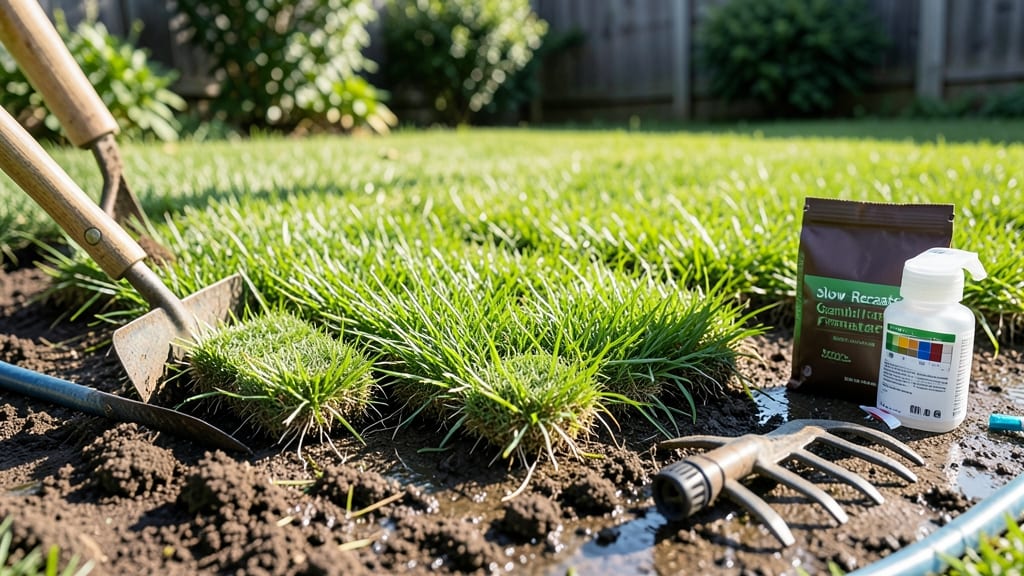
If you're planting Bermuda Grass 🌱 in Texas, getting the timing right could save you months of frustration—or even failure. The brutal summer heat and unpredictable spring weather mean that planting too early or too late can leave your lawn struggling, even with the most drought-resistant varieties.
Most gardeners assume spring is the only window, but Texas' 8a-10b climate zones actually give you two prime opportunities: late spring (April-June) and early fall (September-October). I'll break down why these windows matter most for strong root growth and how to avoid common mistakes that waste time and money.
You'll discover how to prepare your soil, choose between seed and sod, and adjust your watering schedule based on whether you're in North or South Texas. These small adjustments make all the difference between a lawn that thrives and one that barely survives.
Let's dive into the exact planting deadlines, regional considerations, and care tips that will give you the best chance for a lush, green Bermuda Grass lawn that stands up to Texas' harsh conditions.
Texas Bermuda grass planting deadlines: spring vs fall timing for optimal root growth
Texas’ extreme heat and unpredictable weather make choosing the right planting window for Bermuda grass critical. Unlike cool-season grasses, Bermuda thrives in hot temperatures and needs consistent warmth to germinate and establish roots.
Planting too early risks frost damage, while waiting too late can leave your lawn vulnerable to summer drought before roots take hold.
The ideal planting windows in Texas are late spring (April–May) and early fall (September–October). These periods balance soil warmth, rainfall patterns, and avoidance of frost.
For North Texas, aim for April 15–May 15 in spring and September 1–September 30 in fall. South Texas can extend these windows slightly due to warmer winters.
Bermuda grass seeds require soil temperatures above 65°F (18°C) to germinate. In most of Texas, this means waiting until after the last frost (typically mid-March in South Texas and mid-April in North Texas).
Planting before this can result in seed rot or poor germination. Use a soil thermometer to confirm readiness—consistent warmth is non-negotiable.
Fall planting offers a second chance for a thicker, more resilient lawn. By September, summer heat has subsided, and cooler nights help roots establish before winter dormancy. However, avoid planting after October 15, as cooler temperatures slow growth and increase frost risk in North Texas.
Here’s how Texas’ climate zones affect your timing:
| Planting Window | Best Months | Soil Temp Requirement | Key Considerations |
|---|---|---|---|
| Spring Planting | April–May | 65°F+ (18°C+) | Avoid late spring (June+) to prevent drought stress before roots establish. |
| Fall Planting | September–October | 60°F+ (15°C+) | Ideal for North Texas; stop by October 15 to avoid frost. |
| South Texas | March–June | 65°F+ (18°C+) | Warmer winters allow earlier planting; avoid July–August due to extreme heat. |
| North Texas | April–May or Sept–Oct | 65°F+ (18°C+) | Frost risk in fall; prioritize September planting. |
If you’re planting Bermuda grass sod instead of seed, the timing is slightly more flexible. Sod can be installed up to two weeks earlier than seeds because the roots are already established. However, still aim for soil temperatures above 65°F (18°C) to ensure quick recovery and growth.
One common mistake is rushing to plant in early spring when soil is still cool. Cold soil slows germination and makes seedlings vulnerable to fungal diseases. Similarly, planting in late summer (July–August) risks drought stress, as high temperatures can dry out seeds before they sprout.
Always monitor weekly rainfall and adjust your watering schedule to support new growth.
Pro tip: Use a soil thermometer to check temperatures at a depth of 4 inches. If readings dip below 65°F (18°C) for more than a few days, delay planting. Patience now prevents headaches later—healthy roots mean a lawn that survives Texas’ worst heat.
For Texas gardeners, fall planting often yields the best results. The cooler weather reduces watering demands, and established roots can soak up nutrients before winter dormancy.
If you miss the fall window, don’t despair—spring planting still works, but be prepared for more frequent watering during the initial establishment phase.
🌱
Texas Bermuda grass planting deadlines: spring vs fall timing for optimal root growth
Texas' 8a-10b climate zones create two distinct planting windows for Bermuda grass: late spring (April-June) and early fall (September-October). These timings align with soil temperatures of at least 65°F (18°C), which is critical for seed germination and root establishment.
Planting outside these windows often leads to slow growth or poor survival due to extreme heat or cold.
For North Texas (Zones 8a-8b), aim for April 15-May 15 in spring and September 15-October 15 in fall. In South Texas (Zones 9a-10b), extend your spring window to May 1-June 1 and fall window to October 1-November 1 to avoid early frosts.
The key is planting after the last frost and before summer's peak heat.
Here's why these windows work best: Bermuda grass thrives in warmth but struggles with extreme heat or cold. Spring planting gives roots time to establish before summer's intense sunlight, while fall planting allows roots to strengthen before winter dormancy. Both approaches maximize your lawn's drought resistance once established.
| Planting Window | Ideal Months | Soil Temp Requirement | Key Consideration |
|---|---|---|---|
| Spring Planting | April-June (North TX) May-July (South TX) |
65°F+ (18°C+) | Establish roots before summer heat |
| Fall Planting | September-October (North TX) October-November (South TX) |
65°F+ (18°C+) | Strengthen roots before winter dormancy |
| Avoid Planting | July-August December-February |
Below 60°F (15°C) | Extreme heat/cold stress |
One common mistake is planting too early in spring when soil temperatures are still cool. This delays germination and weakens young plants. Conversely, planting too late in summer exposes seedlings to intense heat and drought stress. Always check soil temperatures with a soil thermometer—this simple tool prevents costly errors.
For North Texas gardeners, mark your calendar for April 30 as the last day to plant in spring. In South Texas, extend this to June 15 to take advantage of longer growing seasons.
Fall planting should wrap up by November 1 in North Texas and December 1 in South Texas to avoid winter dormancy before roots establish.
Remember: Bermuda grass spreads aggressively once established, so proper timing ensures it fills in quickly. Whether you choose spring or fall, prioritize consistent moisture and full sun exposure to give your new lawn the best start.
With the right timing, you'll see noticeable growth within 3-4 weeks—and a fully established lawn by summer's end.