
Plants
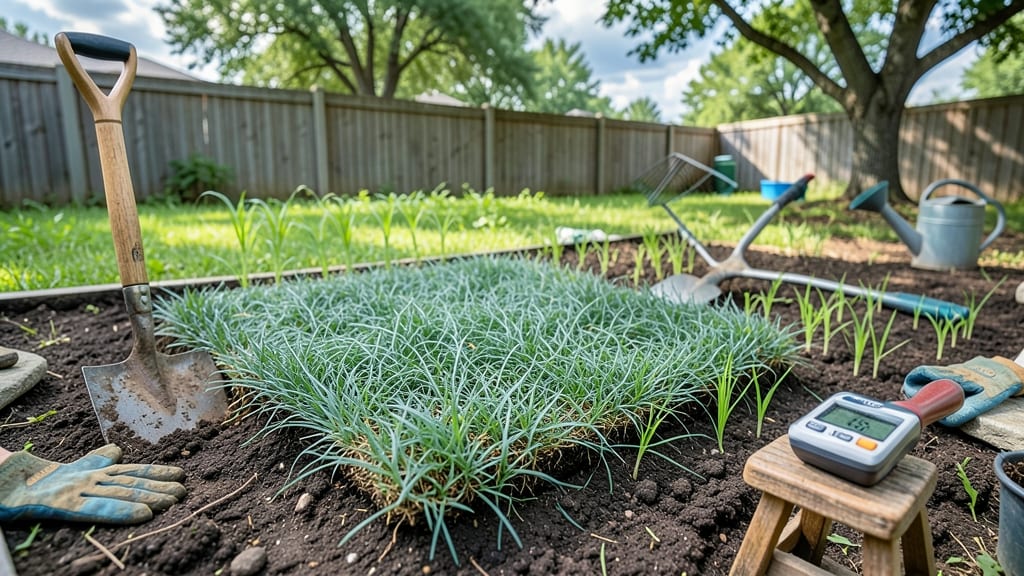
Timing your Bermuda grass planting in Virginia can make or break your lawn—get it right, and you’ll have a thick, green carpet by summer. But plant too early, and frost will kill your efforts before they even take root.
The key is understanding your local microclimate, whether you're in the cooler 6a zones of the mountains or the warmer 8a areas near the coast.
Most Virginia gardeners swear by planting in late April or early May, when soil temperatures consistently hit 65°F or warmer. This gives the grass the warm conditions it craves to germinate quickly.
But if you’re in the northern part of the state, waiting until after the last frost—usually around mid-May—gives you a safer bet.
Alternatively, some experts recommend a late summer planting window in August, when the heat is still high but the risk of frost has passed. This method can help Bermuda grass establish before winter sets in. Either way, proper soil prep and patience are the most important factors for success.
Ready to transform your lawn? I’ll walk you through the exact steps to pick the perfect planting window for your Virginia location, plus pro tips to avoid common mistakes that derail even the best-laid plans.
Ideal soil temperature and planting windows for Virginia Bermuda grass
Timing your Bermuda grass planting in Virginia hinges on two critical factors: soil temperature and frost-free windows. Bermuda thrives when soil reaches 65°F or warmer, but for optimal germination, aim for 70°F+.
Planting too early risks frost damage, while waiting too late may delay your green lawn goals. Let’s break down the perfect windows for Virginia’s climate.
In Virginia, the ideal planting windows are April–May for spring and August–September for fall. Spring planting aligns with rising soil temps, while fall offers a second chance before winter dormancy.
Northern Virginia’s cooler zones (like USDA 6a–7a) may need to wait until late April, while southern Virginia (up to USDA 8a) can start as early as mid-March.
To verify soil warmth, use a soil thermometer or DIY test: Press your hand into the soil—if it feels warm to the touch, it’s ready.
For accuracy, check temps at 4-inch depth, where seeds will germinate. Pro tip: Morning is the best time to test, as temps drop at night.
🌱 Key Insight: Bermuda grass seed won’t germinate below 65°F, but sod can be laid slightly earlier (when soil is 55°F+) for faster results.
🌱 Bermuda Grass Planting Timeline for Virginia
| Season | Soil Temp Requirement | Planting Window | Notes |
|---|---|---|---|
| Spring | 65°F+ (70°F+ ideal) | April–May | Best for seed; sod can be laid earlier |
| Fall | 65°F+ | August–September | Allows root establishment before winter |
| Northern VA (Zones 6a–7a) | 70°F+ | Late April–May | Wait for consistent warmth |
| Southern VA (Zones 7b–8a) | 65°F+ | Mid-March–April | Earlier start possible |
For spring planting, mark your calendar for April 15–May 15 as the sweet spot. This window ensures soil warmth while avoiding late frost risks. If you’re in Northern Virginia, delay until mid-May to play it safe.
Use a frost date tracker (like the Old Farmer’s Almanac) to confirm your local last frost date.
Fall planting offers a second chance for a thicker lawn. Aim for August 1–September 15, giving seeds time to germinate before cooling temps slow growth. In Southern Virginia, you can push planting to early October, but avoid planting after September 30 in Northern VA to prevent winter kill.
💧 Pro Tip: Water newly planted Bermuda grass daily for 1–2 weeks to keep soil moist but not soggy. Use a rain gauge to measure 1–1.5 inches of water per week during establishment.
If you miss the spring window, don’t panic—fall planting is just as effective. The key is ensuring 6–8 weeks of warm soil before the first frost. For example, planting in late August in Richmond (Zone 7b) gives roots time to establish before winter dormancy.
🌡️ Warning: Planting Bermuda grass in cooler months (March or October) risks poor germination or weak growth. Always prioritize soil temperature over calendar dates.
Ideal soil temperature and planting windows for Virginia Bermuda grass
Timing your Bermuda grass planting in Virginia hinges on two critical factors: soil temperature and last frost dates. Bermuda grass thrives when soil reaches 65°F+, but for optimal germination, aim for 70°F+. In Virginia’s climate, this typically aligns with April–May for spring and August–September for fall planting.
Northern Virginia (zones 6a–7a) has cooler soils, so wait until mid-April or later. Southern Virginia (zones 7b–8a) can start as early as late March. Always check your last frost date—planting too early risks frost damage to tender seedlings.
To verify soil warmth, use a soil thermometer or the "fist test": push your hand into the soil 3–4 inches deep. If it feels warm (like a hot bath), it’s ready.
For a DIY method, place a thermometer in water near your planting area for 24 hours—consistent readings above 65°F signal readiness.
For faster results, consider using Bermuda grass sod instead of seed. Sod establishes in 2–4 weeks versus 6–8 weeks for seed, and it’s less vulnerable to bird damage or uneven germination. Just ensure the sod is laid on warm, prepped soil to avoid shock.
If you miss the spring window, don’t despair—fall planting is a great alternative. Bermuda grass enters dormancy in winter, so late summer/early fall gives roots time to establish before cold sets in. Aim to plant 6–8 weeks before your first frost (typically late August–early September in Virginia).
Pro tip: Mulch newly planted areas with straw or peat moss to retain moisture and regulate soil temperature. This is especially helpful in Virginia’s hot, humid summers or cool springs, where temperature swings can stress young grass.