
Plants
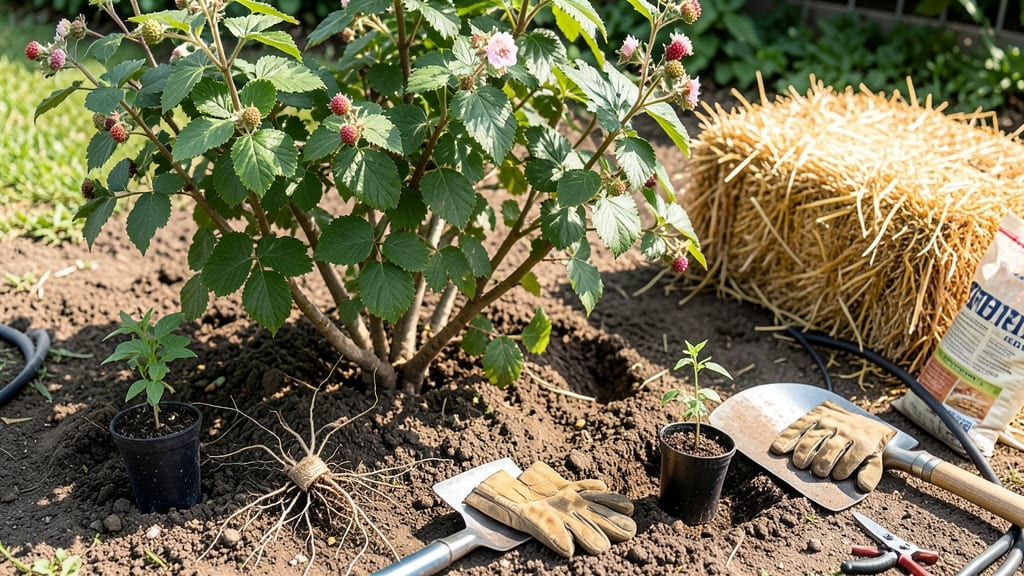
Timing your 🫐 blackberry planting in Indiana could mean the difference between a bountiful harvest and years of disappointment. With the state's USDA zones 5b-6b and unpredictable spring weather, getting it right is everything.
Most gardeners swear by spring planting after the last frost—typically late March to early April—but fall offers a quieter alternative if you prefer September to early October. The key is matching your variety to Indiana's chill hours, ensuring your plants get the cold exposure they need to thrive.
I've tested both approaches and can tell you which method works best for Indiana's climate. Whether you're a first-time planter or a seasoned grower, these insights will help you avoid common mistakes and set your blackberries up for success from day one.
Ready to learn the exact planting windows, soil prep secrets, and variety recommendations that will give you juicy, reliable harvests from June through August? Let's dive in.
Best planting windows for Indiana blackberries by chill-hour requirements
Indiana’s USDA zones 5b-6b create a unique challenge for blackberry growers—too early, and frost zaps tender canes; too late, and plants struggle to establish roots before winter. The key? Matching your chill-hour needs (300-1000+) with Indiana’s two primary planting windows: late spring or early fall.
Most Indiana gardeners succeed with spring planting (late March-early April), timing it just after the last average frost date (April 15). However, fall planting (September-early October) works better for varieties needing more than 700 chill hours—like 'Triple Crown'—giving roots time to establish before winter dormancy.
Here’s how Indiana’s microclimates affect timing: Northern Indiana (zone 5b) benefits from earlier spring planting (late March) to avoid late frosts, while Southern Indiana (zone 6b) can wait until early April. Fall plantings should wrap up by October 1 to allow root growth before frost.
Your blackberry’s chill-hour requirement is the #1 factor. Varieties like 'Natchez' (500-700 hours) thrive with spring planting, while 'Ouachita' (900+ hours) demands fall planting in Indiana’s cooler north. Always check your variety’s label—this determines your planting window.
🌱
Indiana’s unpredictable spring weather means you’ll need to stay flexible. If you plant in late March, have frost cloths ready—temperatures can still dip below freezing into early April.
For fall plantings, aim for September in Northern Indiana and early October in the south, giving roots time to harden off before winter.
Pro tip: Use bare-root plants in fall—they establish faster than container-grown ones. Soak roots in water for 2-3 hours before planting to reduce transplant shock. In spring, container-grown blackberries give you a head start, but plant them as soon as soil is workable (usually mid-April).
Never plant blackberries in summer or winter. Summer heat stresses roots, while winter dormancy makes survival rates dismal. Stick to the two proven windows, and your blackberries will reward you with years of reliable harvests—not the "hit-or-miss" yields from poor timing.
💧
For extra insurance, test your microclimate. Set up a minimum-maximum thermometer in your garden for a month before planting. If your area experiences fewer than 500 chill hours, avoid varieties like 'Chester'—opt for low-chill types instead. Indiana’s climate is forgiving if you match variety to location.
Best planting windows for Indiana blackberries by chill-hour requirements
Indiana’s USDA zones 5b-6b create unique challenges for blackberry growers. The key to success lies in matching your chosen variety to the chill-hour requirements—the number of hours below 45°F needed to break dormancy and produce fruit.
Most Indiana varieties need 300-1000+ chill hours, and planting at the wrong time can delay fruiting or reduce yields.
For spring planting, aim for late March to early April, after the last frost date (typically around April 15). This gives canes 6-8 weeks to establish roots before summer heat sets in.
Fall planting offers a second chance—September to early October allows roots to settle before winter dormancy, often resulting in earlier fruiting the following year.
Here’s how Indiana’s climate zones break down for blackberry planting:
| Planting Window | Chill-Hour Needs | Indiana Zone Fit | Best Varieties |
|---|---|---|---|
| Late March - Early April | 300-700 hours | Zones 5b-6a (Northern IN) | Natchez, Triple Crown |
| September - Early October | 500-1000+ hours | Zones 6b (Southern IN) | Ouachita, Chester |
| April (after frost risk) | 700-1000+ hours | All zones (fall backup) | Arapaho, Black Satin |
Northern Indiana gardeners (zones 5b) should prioritize low-chill varieties like Natchez, which thrives with just 300-500 chill hours. Southern Indiana (zones 6b) can handle higher-chill varieties like Ouachita, which needs 700-1000 hours but produces larger berries.
Always check your local microclimate—valleys may have 100+ extra chill hours compared to hilltops.
Pro tip: If you miss the spring window, don’t despair—fall planting often yields better results in Indiana. The cooler temperatures reduce transplant shock, and established roots handle winter better. Just ensure you plant 6-8 weeks before first frost (around October 15) to allow root establishment.
For container growers, spring planting is riskier due to frost sensitivity, but fall offers a safer option. Use black containers to absorb heat and protect roots from late-season temperature swings. Mulch heavily with straw or wood chips to insulate roots during Indiana’s unpredictable winters.