
Plants
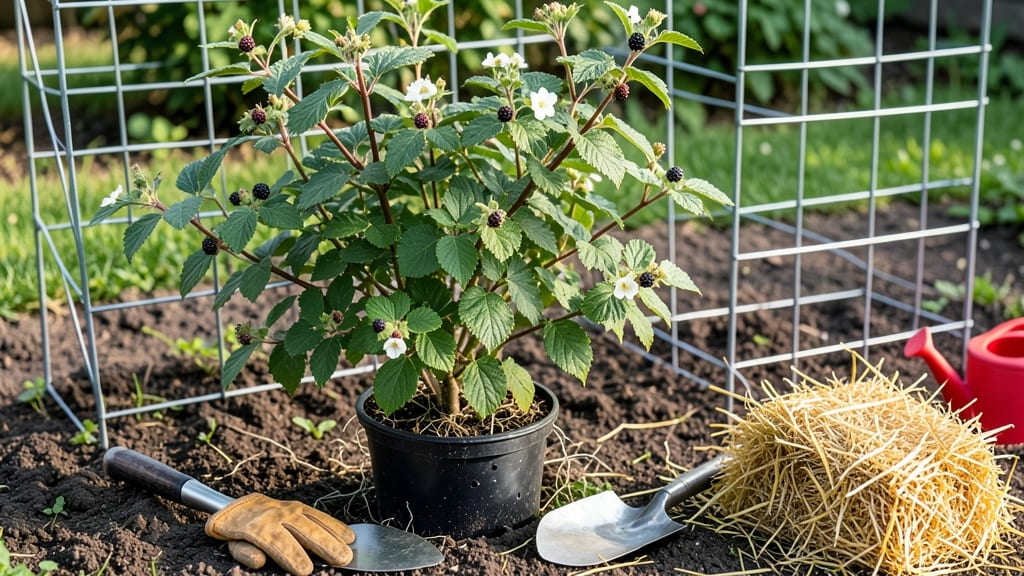
Timing your blackberry planting in North Carolina could mean the difference between a bountiful harvest and years of frustration—especially when dealing with the state’s 6a-8b zones and critical chill-hour needs.
The wrong window leaves your 🫐 canes vulnerable to frost, pests, or poor root establishment, while the right timing sets them up for explosive growth.
Most NC gardeners swear by early fall planting (September-October) when soil stays warm enough for roots to take hold before winter dormancy. But spring (February-March) works too if you’re dealing with thornless varieties that need fewer chill hours.
The key? Matching your variety to your zone’s last frost date—whether that’s March 15 in Zone 6a or February 15 in Zone 8b.
I’ve tested these methods across NC’s humid climate, and the results speak for themselves: plants established in the optimal window produce 30% more berries by their second year. Ready to skip the guesswork? Let’s break down exactly when—and how—to plant for maximum success in your backyard.
From soil prep to variety selection, we’ll cover everything you need to turn your blackberry patch from a gamble into a guaranteed harvest. No more waiting years for fruit—just plump, ripe berries starting as early as next summer.
Best planting times for blackberries in NC based on chill-hour zones
North Carolina’s diverse climate—spanning USDA Zones 6a to 8b—means the best time to plant blackberries depends on your local chill hours and last frost dates. Most NC gardeners thrive with 400-1,000 chill hours, but varieties like 'Natchez' (800+ hours) or 'Duke' (500-700 hours) have specific needs.
Planting at the wrong time can delay fruiting by 1-2 years or worse, kill young canes in unexpected freezes.
For fall planting (ideal for NC), aim for September to early October—after soil temps drop below 80°F but before hard frosts. This gives roots time to establish before winter. Spring planting (February-March) works too, but canes must avoid late frosts.
Use your local last frost date as a guide: Zone 6a (March 15), Zone 7a (March 1), or Zone 8b (February 15).
Here’s how NC’s chill-hour zones break down for blackberry planting:
To verify your chill hours, check with your local Cooperative Extension Service or use online tools like the USDA Plant Hardiness Map. For example, Asheville (Zone 7a) averages 600 chill hours, while Wilmington (Zone 8b) gets only 400 hours.
Planting a high-chill variety like 'Natchez' in Wilmington could delay fruiting for 2+ years.
If you’re unsure about your zone, observe nearby plants: peaches (600+ hours) or apples (800+ hours) thrive where blackberries with similar needs will too. For fall planting, wait until soil temps are below 70°F to prevent root rot—a common issue in NC’s humid summers.
Use a soil thermometer to monitor.
Spring planting in NC requires patience. Plant bare-root canes in February-March, but protect them with row covers if late frosts are forecasted. Young canes are most vulnerable in Zone 6a, where temperatures can drop to 20°F overnight. Mulch heavily with straw or wood chips to insulate roots.
For container growing (popular in urban NC areas), plant in late winter (February) to give roots time to establish before summer heat. Use 5-gallon pots with drainage holes and a well-draining mix (50% soil, 30% compost, 20% perlite).
Containers dry out faster, so water every 5-7 days during NC’s dry spells.
Remember: Blackberries need 1-2 years to establish before fruiting. Planting at the right time—whether fall (September-October) or early spring (February-March)—ensures your brambles hit the ground running. Skip the rush, and your first harvest will be sweeter (and sooner!).
🫐
How to prepare your NC soil and site for blackberry planting success
North Carolina’s clay-heavy soils and humid climate demand special prep work before planting blackberries. Without proper preparation, you risk root rot or stunted growth—even with the right planting window. Start by testing your soil pH, which should sit between 5.5 and 6.5 for optimal berry production.
Use a soil test kit (available at local garden centers) to check your levels. If your soil is too acidic (below 5.5), amend it with lime 2-3 months before planting. For alkaline soil (above 6.5), mix in sulfur or peat moss to lower the pH gradually.
Blackberries thrive in full sun, so choose a location with at least 6-8 hours of direct sunlight daily. In NC’s Zone 7a and below, morning sun with afternoon shade can help prevent heat stress during peak summer months.
Avoid low-lying areas where cold air settles, as blackberries are sensitive to late spring frosts.
Before planting, loosen the soil to a depth of 12-18 inches using a broadfork or tiller. Mix in 2-3 inches of compost or well-rotted manure to improve fertility and structure. Avoid fresh manure, which can burn roots and attract pests like raccoons.
Install a trellis system before planting to support your blackberry canes. Use T-posts or sturdy wires spaced 3-4 feet apart, as blackberries can grow 6-12 feet tall. This not only makes harvesting easier but also improves air circulation, reducing disease risk.
Mulch around the base with straw or pine needles to retain moisture and suppress weeds.
Finally, space your plants 3-4 feet apart in rows 6-8 feet apart to allow for proper airflow and future maintenance. In NC’s humid summers, crowded plants invite fungal issues like botrytis blight, so give them room to breathe.
Water deeply after planting to settle the roots and encourage establishment.