
Plants
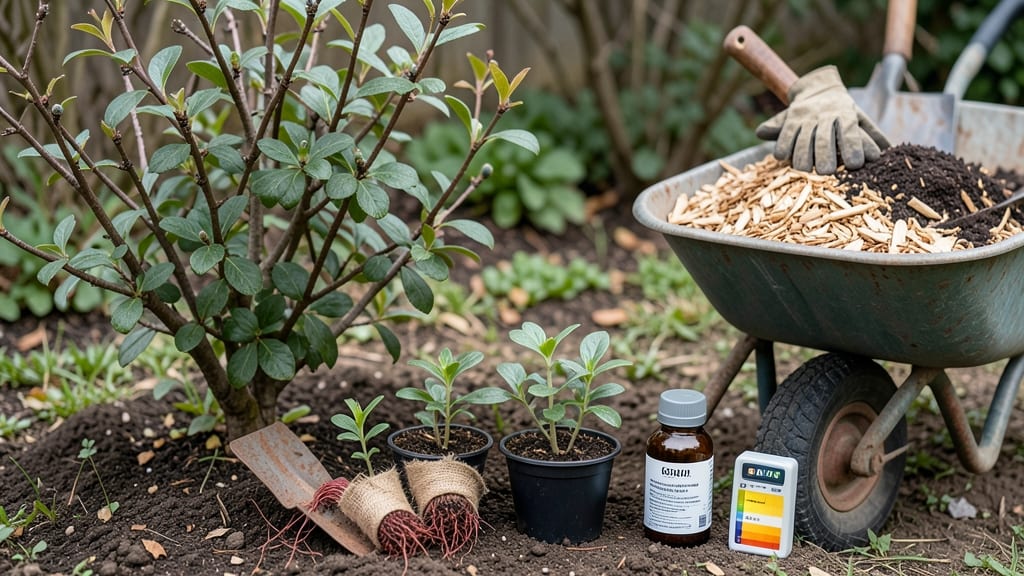
If you’ve ever dreamed of planting blueberries straight from your Colorado garden, timing is everything—and getting it wrong could mean wasted effort.
Colorado’s USDA Zones 5-7 bring unique challenges, from sudden frost to scorching summer heat, but planting at the right moment ensures your bushes thrive before the real work begins.
The ideal window for planting blueberries in Colorado is narrow: late spring (April–May) or early fall (September–October). Spring planting gives young roots a head start before summer’s intensity, while fall allows them to establish before winter dormancy.
Both strategies work—but one might be better for your specific microclimate, whether you’re in Denver’s urban heat or the cooler Western Slope.
Here’s the game-changer: soil temperature and frost dates dictate success. Planting too early risks frost damage, while waiting too long can leave your bushes struggling to root before the heat sets in.
I’ll break down the exact steps to time your planting perfectly, so you’re not left guessing whether your bushes will survive—or flourish.
Ready to set your blueberries up for a bountiful harvest next summer? Let’s dive into the best months, soil prep secrets, and Colorado-specific tips to make sure your bushes grow strong and productive from day one.
Best planting times in Colorado: spring vs fall for blueberry bushes
Colorado’s blueberry bushes thrive when planted during two key windows: spring (April–May) or fall (September–October). The best choice depends on your elevation and microclimate. For example, Front Range areas like Denver have later frost dates than the Western Slope, so timing shifts accordingly.
Let’s break down the pros and cons of each season to help you decide.
Spring planting gives your blueberries a full growing season to establish roots before summer heat arrives. However, planting too early risks frost damage if temperatures dip unexpectedly. Fall planting, on the other hand, allows roots to grow undisturbed before winter dormancy, often resulting in stronger plants the following year.
But timing is critical—plant too late, and roots won’t have time to harden off before frost.
Here’s the key difference: Spring planting works best in USDA Zones 6-7 (most of Colorado) when soil temperatures reach 45°F (7°C) consistently. Fall planting is ideal 6-8 weeks before your first frost date, giving roots time to establish before winter.
In Colorado, this typically means September–early October for most regions.
| Factor | Spring Planting (April–May) | Fall Planting (September–October) |
|---|---|---|
| Best For | Warmer microclimates (e.g., Denver, Colorado Springs) | Cooler regions (e.g., Western Slope, mountain areas) |
| Soil Temp | 45°F+ (7°C+) | 50°F+ (10°C+) but cooling |
| Root Growth | Fast but needs summer water | Slower but hardier before winter |
| Frost Risk | High if planted too early | Low if planted 6+ weeks before frost |
| Best Varieties | Early-season: 'Bluecrop', 'Jersey' | Late-season: 'Patriot', 'Duke' |
If you’re in Denver or Colorado Springs, spring planting in late April–early May aligns with soil warming and reduced frost risk. For high-elevation areas (8,000+ ft), like near Aspen or Telluride, fall planting in September is safer.
Always check your local frost dates—Colorado’s can vary by 2–4 weeks depending on elevation.
Pro tip: Bare-root blueberries (sold without soil) can be planted in early spring as soon as the ground is workable, while container-grown plants can handle spring planting until June. Fall planting works best for container-grown bushes, as their roots are already established in soil.
Regardless of season, mulch heavily after planting to retain moisture and regulate soil temperature. In Colorado’s dry climate, mulch is non-negotiable for survival. Use 3–4 inches of pine straw or wood chips—just avoid cedar mulch, which can inhibit growth.
For container gardening, spring planting gives you the longest growing season, but fall planting can still work if you use black plastic pots to absorb heat and protect roots. Just move containers to a sheltered spot before winter. In-ground planting, however, always wins for long-term success.
One final note: Southern Colorado (e.g., Pueblo, Alamosa) has earlier frost dates than the Front Range, so adjust your timeline accordingly. For example, plant in March–April for spring or August–September for fall. Always err on the side of earlier planting—your blueberries will thank you with bigger yields next season.
🫐
Best planting times in Colorado: spring vs fall for blueberry bushes
Colorado’s blueberry bushes thrive when planted during cooler months, but the best window depends on your elevation and microclimate. The Front Range (Denver, Boulder) and Western Slope (Grand Junction, Durango) have different frost dates, so I’ll break it down by region.
Most gardeners in USDA Zones 5–7 (covering most of Colorado) have success with either spring or fall planting, but fall often wins for root establishment.
For spring planting, aim for April to early May—after the last frost date (typically mid-May in lower elevations, later in the mountains).
This gives roots time to establish before summer heat arrives. Fall planting, however, is often preferred because it allows roots to grow undisturbed before winter dormancy. Target September to early October, giving plants 6–8 weeks to root before the first frost (usually mid-October).
| Factor | Spring Planting (April–May) | Fall Planting (September–October) |
|---|---|---|
| Best For | Warmer climates (Zone 6–7), lower elevations | Cooler climates (Zone 5), high elevations |
| Soil Temp | 45–55°F (roots establish before heat) | 50–60°F (roots grow before dormancy) |
| Frost Risk | High if planted too early (avoid March) | Low if planted 6+ weeks before frost |
| Root Growth | Moderate (summer heat can stress roots) | Strong (roots harden before winter) |
| Best Regions | Pueblo, Colorado Springs (lower elevations) | Denver, Fort Collins, mountain towns |
If you’re in higher elevations (e.g., Aspen, Leadville, or the San Juans), fall planting is almost always better. The shorter growing season means spring-planted bushes may struggle to establish before winter.
Conversely, lower elevations (e.g., Pueblo or Grand Junction) can handle spring planting, but avoid March—frost is still a risk. Always check your local frost dates using the Colorado State University Extension or Almanac.
Pro tip: For container-grown blueberries, you can plant up to two weeks later than bare-root bushes, as their roots are already established. Just ensure the soil stays consistently moist during the first 30 days after planting.
Containers also let you move plants to microclimates with better protection from late frosts or harsh winds.
One mistake I see often is planting too late in spring (June or later). By then, the summer heat can shock young roots, leading to transplant shock. If you miss the ideal window, opt for bare-root plants in fall—they establish faster than container-grown ones in late spring.
For best results, mark your calendar for September 15–October 15 if you’re in the mountains, or April 15–May 15 for lower elevations.
Remember, blueberries need acidic soil (pH 4.5–5.5), so test your soil before planting. If your yard’s soil is alkaline (common in Colorado), amend it with peat moss or sulfur—I’ll cover that in detail in the next section.
With the right timing and soil prep, your bushes will reward you with juicy berries in July and August!