
Plants
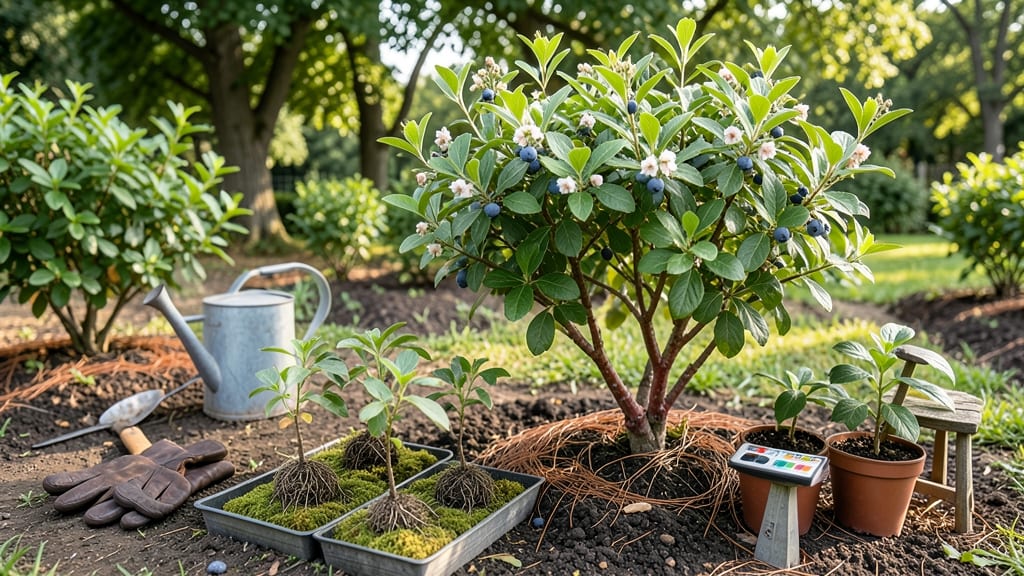
Timing your blueberry planting in Maine isn’t just about the calendar—it’s about outsmarting frost, chill hours, and Maine’s famously fickle spring weather. Plant too early, and a late frost could wipe out your young bushes; too late, and they won’t establish roots before winter hits.
With USDA Zone 5-6 conditions, getting this right is the difference between a thriving 🫐 harvest and years of disappointment.
Most gardeners in Maine swear by early spring planting—think April—when soil temperatures creep above 40°F and the threat of hard frosts starts to fade. But fall planting in September also works if you choose the right varieties and protect them from early snow.
The key? Understanding your specific chill-hour needs (between 400–1,000 hours) and aligning them with Maine’s unpredictable frost-free deadlines.
Whether you’re planting bare-root bushes or potted varieties, soil prep is non-negotiable. Maine’s acidic, well-draining soils are ideal, but if yours falls short, amending with peat moss or sulfur can make all the difference.
I’ll walk you through the exact steps to set your blueberries up for success—no guesswork, just proven methods for Maine’s short growing season.
Ready to avoid the common pitfalls and maximize your harvest? Let’s dive into the best planting windows, variety choices, and pro tips to keep your blueberries thriving year after year—even when Mother Nature throws curveballs.
Maine’s blueberry planting timeline: chill-hours & frost-free date rules
Timing your blueberry planting in Maine isn’t just about the calendar—it’s about chill-hours and frost-free dates. Maine’s USDA Zones 5-6 require 400-1,000 chill-hours for optimal fruit production, meaning your bushes need cold winter dormancy.
Planting too early or late can stunt growth or invite frost damage, especially since Maine’s last average frost hovers around April 15–May 15.
Most gardeners in Maine plant blueberries in early spring (March–April) or early fall (September). Spring planting gives roots time to establish before summer heat, while fall planting allows roots to settle before winter dormancy.
However, fall planting must occur at least 6-8 weeks before the first frost (usually by September 15 in most of Maine) to avoid winter stress.
Here’s the critical timeline you need to follow for successful blueberry planting in Maine:
| Stage | Action | Maine Timeline |
|---|---|---|
| Soil Prep | Test and amend soil pH to 4.5-5.5; add compost or peat moss. | October–March |
| Planting Window | Choose bare-root or potted bushes; plant 1-3 years old. | March 15–April 30 (spring) or September 1–15 (fall) |
| Root Establishment | Water deeply 1-2 gallons per plant weekly; mulch to retain moisture. | April–June (spring) or September–October (fall) |
| First Frost Watch | Monitor last frost date (April 15–May 15); protect young plants if frost threatens. | April–May |
| Harvest Readiness | Berries ripen late June–August; harvest when fully colored and plump. | Year 2–3 after planting |
Maine’s chill-hour requirements mean you’ll want to select varieties that match your local climate. For example, ‘Patriot’ blueberries thrive in Maine with 600-800 chill-hours, while ‘Bluecrop’ needs 800-1,000 chill-hours.
Planting at the right time ensures your bushes break dormancy correctly in spring, avoiding late frost damage that can kill flowers or young shoots.
If you’re planting in early spring, aim for March 15–April 30 to give roots time to establish before Maine’s unpredictable late frosts. For fall planting, September 1–15 is ideal—this allows roots to settle before winter while avoiding the stress of planting too close to frost.
In northern Maine (Zone 4), push planting to late April–early May to avoid early frosts.
Pro tip: Use row covers or straw mulch to protect young plants if frost threatens after planting. This extra layer can mean the difference between a thriving bush and a lost investment. Always check your local frost-free date from resources like the Maine State Climate Office for precise timing.
One common mistake is planting too late in spring, which can leave bushes vulnerable to summer drought or heat stress. Conversely, fall planting after September 15 risks winter kill. Stagger planting 2-3 weeks apart if you’re unsure about frost dates—this spreads risk and ensures some bushes establish successfully.
Remember, blueberries are not frost-tolerant as established plants, but their roots are. Focus on root establishment in the first year, and your bushes will reward you with years of harvests.
With Maine’s short growing season, every week counts—so mark your calendar and get those bushes in the ground at the perfect time!
Best blueberry varieties for Maine: chill-hour matching guide
Maine’s cool climate demands blueberry varieties that thrive in 400-1,000 chill-hours. Choosing the right variety ensures your bushes survive harsh winters and produce fruit. Let’s match your USDA Zone 5-6 garden with the perfect cold-hardy variety.
Not all blueberries are created equal—some varieties ripen early, while others need more frost-free days. For Maine, prioritize bushes that bloom late to avoid spring frosts. Below, compare top varieties by chill-hour needs, ripening season, and frost tolerance to find your match.
| Variety | Chill-Hours | Ripening Season | Frost Tolerance | Notes |
|---|---|---|---|---|
| Patriot | 600-800 | Mid-Season | Excellent | Dwarf variety, great for containers; resistant to diseases. |
| Bluecrop | 700-900 | Mid-Late | Good | Classic choice; high yield, sweet berries. |
| Jersey | 500-700 | Early | Very Good | Fast-growing; ideal for short seasons. |
| Duke | 800-1,000 | Late | Good | Large berries; needs warm microclimate. |
| Earliblue | 500-600 | Early | Excellent | First to fruit; perfect for Maine’s short season. |
For early harvests, Earliblue or Jersey are ideal—they ripen before late frosts. If you prefer larger berries, Duke delivers, but plant it in a sheltered spot to protect blooms. Patriot is my top pick for small gardens or containers due to its compact size and disease resistance.
Pro tip: Pair varieties with different ripening times to extend your harvest window. For example, plant Earliblue (early) with Bluecrop (mid-late) for a 6-week feast. Always check the chill-hour range of your chosen variety against your local winter lows.
Maine’s variable frost dates mean some years may bring late frosts. To mitigate risks, opt for varieties with later blooming times, like Bluecrop or Duke, which reduce the chance of flower damage.
If you’re unsure, ask your local nursery for region-specific recommendations—they’ll know which varieties thrive in your exact microclimate.