
Plants
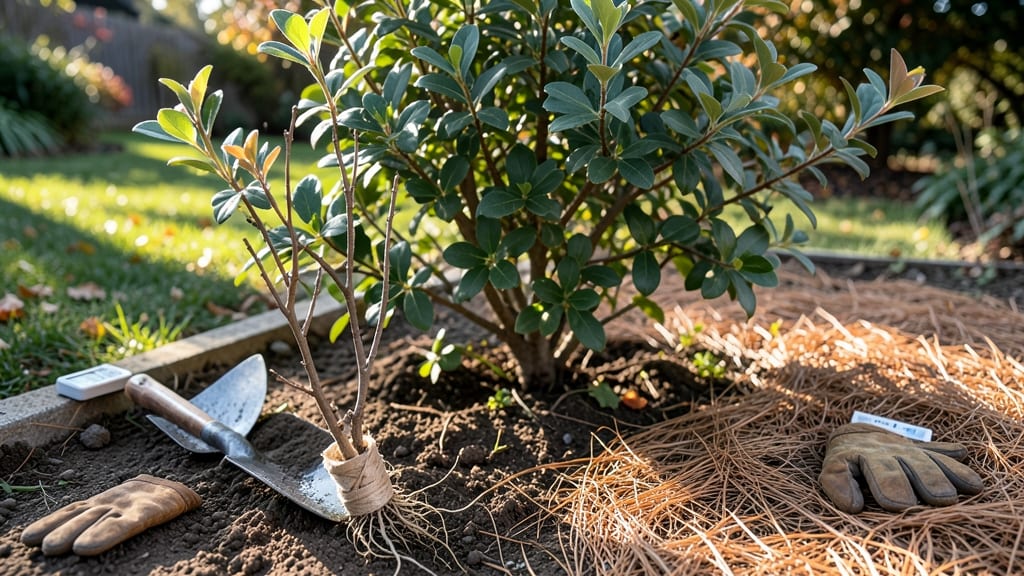
Timing your blueberry bush 🫐 planting in North Carolina isn’t just about the calendar—it’s about matching the right window to your local chill hours and soil conditions.
Get it wrong, and you might end up with stunted growth or even lost plants, especially in zones 6b-8a where frost dates shift dramatically.
Most gardeners in NC swear by fall planting (September–October) as the golden window, but spring (February–April) works too—if you act fast before the last frost hits. The key?
Understanding how your region’s chill hours (those cold winter nights) pair with your chosen variety, whether it’s a Southern Highbush or a hardy Rabbiteye.
I’ve seen firsthand how a single week too late can mean the difference between a bush bursting with berries by summer and one struggling to take root.
Let’s break down the exact months to plant, soil prep secrets, and how to pick the perfect variety for your NC microclimate—so you can avoid common mistakes and set your blueberries up for a bountiful harvest.
Ready to turn your yard into a blueberry powerhouse? The right timing and a little acid-loving TLC will have you picking those sweet, juicy berries in no time—without the guesswork.
Best planting months in NC based on chill hours and microclimates
North Carolina’s diverse climate—from the humid Coastal Plain to the cool Mountain regions—means blueberry planting windows vary wildly. The key factor? Chill hours, which determine whether your bushes thrive or struggle.
Most NC varieties need 300–900 chill hours (below 45°F) to set fruit properly. Plant at the wrong time, and you risk stunted growth or no harvest at all.
For Southern Highbush varieties (like 'Tifblue'), aim for 300–500 chill hours. These do best in Coastal NC (Zones 7b–8a), where winters are mild. In contrast, Rabbiteye types (like 'Duke') need 600–900 chill hours, making them ideal for the Piedmont and Mountains (Zones 6b–7a).
Timing isn’t just about the calendar—it’s about matching your variety to your microclimate.
Here’s the golden rule: Plant bare-root bushes in late winter/early spring (February–April) or container-grown bushes in fall (September–October). Spring planting gives roots time to establish before summer heat, while fall planting lets bushes settle before winter dormancy.
But avoid planting in late spring or summer—you’ll stress the plant with transplant shock and drought.
| Region | USDA Zone | Best Planting Window | Chill Hours Needed | Top Varieties |
|---|---|---|---|---|
| Coastal Plain | 7b–8a | September–October (fall) or February–March (spring) | 300–500 | 'Tifblue,' 'Southern Highbush' |
| Piedmont | 6b–7a | February–April (spring) or September (fall) | 500–700 | 'Climax,' 'Duke' |
| Mountains | 6a–6b | March–April (spring) or August–September (fall) | 600–900 | 'Rabbiteye,' 'Premier' |
*Chill hours = hours below 45°F needed for proper dormancy and fruit set.
If you’re in Coastal NC, prioritize fall planting (September–October). The mild winters mean less frost risk, and cooler temps help roots establish before summer heat arrives.
For Piedmont and Mountain gardeners, spring planting (March–April) is safer—it avoids late-winter frost heaves and gives bushes a head start before summer.
Pro tip: Check your last frost date (March 15 in Zone 6b to April 15 in Zone 8a) and plant 4–6 weeks before to avoid frost damage. Use row covers if planting early in frost-prone areas like the Asheville region.
Timing isn’t just about the calendar—it’s about giving your bushes the best shot at survival and productivity.
One common mistake? Planting too late in spring (after May). By then, soil warmth triggers early blooming, but a late frost can wipe out flowers—and your harvest. Fall planting is riskier in colder zones (like the Blue Ridge Mountains) because young roots may not harden off before winter.
When in doubt, container-grown bushes give you more flexibility to adjust planting timing.
For organic gardeners, consider bare-root planting in late winter (February). The dormant roots handle transplant shock better, and you can amend soil with compost and sulfur before planting. Just avoid planting when soil temps exceed 70°F—this stresses roots and delays establishment.
Local nurseries like Blueberry Fields Nursery (Hendersonville) or NC State Extension’s blueberry guides recommend soil testing before planting. A pH below 4.5 or above 5.5 can kill your bushes before they even fruit. More on that in the next section! 🌱
Best planting months in NC based on chill hours and microclimates
North Carolina’s diverse climate—from the Coastal Plain’s mild winters to the Mountains’ crisp, chilly nights—means your blueberry planting window depends on where you live.
The chill hours (those 32–45°F nights) your bushes need to fruit properly vary wildly: Southern Highbush varieties thrive with just 300–500 chill hours, while Rabbiteye types demand 700–900+.
For Zone 8a (Coastal NC), aim for fall planting in September–October—this gives roots time to establish before mild winters. In Zone 6b (Mountains), late winter/early spring (February–March) works best to avoid early frosts.
Spring planting is riskier in NC’s frost-prone zones, but if you must, plant bare-root bushes by April 15 to beat the last frost.
Here’s how NC’s three main regions break down for optimal timing—plus which varieties match your microclimate:
Pro tip: If you’re in a transitional zone (like the Sandhills), opt for Half-High hybrids—they handle 400–600 chill hours and bridge the gap between Southern and Northern types. For example, 'Chester' is a crowd-pleaser in the Piedmont because it fruits reliably even with 500 chill hours.
Timing isn’t just about the calendar—it’s about soil temperature. Wait until the ground warms to 50°F+ in spring or cools to 70°F in fall. Use a soil thermometer (just $10 at garden centers) to check—planting too early in cold soil can rot roots.
I’ve seen gardeners rush and end up with fungus issues or stunted growth because they ignored this simple step.
Remember: Fall-planted bushes often outperform spring ones in NC because they establish roots before summer heat stress hits. But if you’re in Zone 8a, don’t wait past October 15—new roots won’t have time to harden off before mild winters.
For spring plantings, cover young bushes with frost cloth if late frosts threaten—it’s a lifesaver for tender varieties like 'Peach Sorbet'.