
Plants
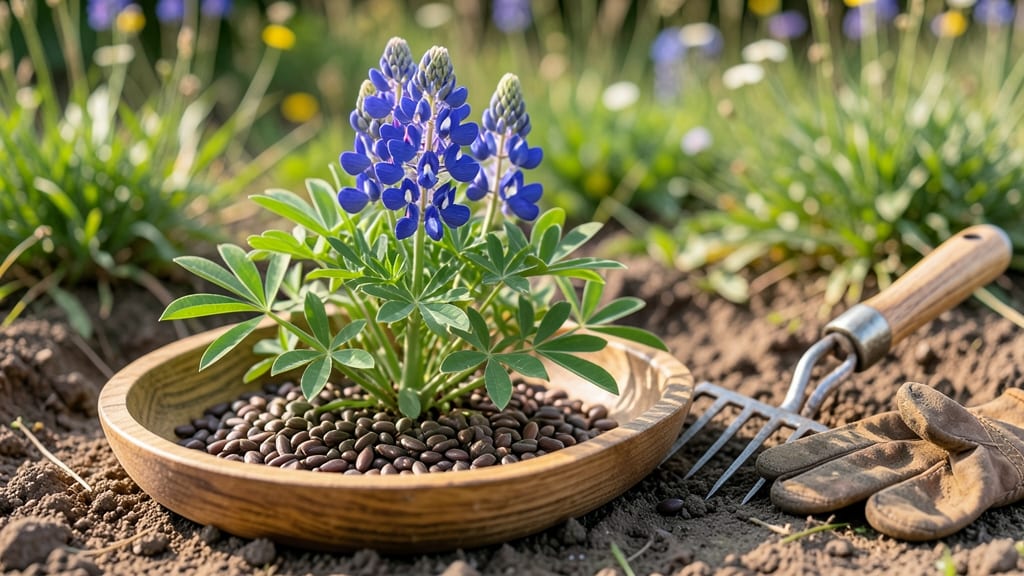
Planting bluebonnet seeds in Austin at the wrong time could mean waiting another year for that stunning blue carpet of wildflowers 🌸 that makes Texas roads famous.
The key to fast germination and vibrant blooms lies in understanding Austin's unique climate—where soil temperatures and rainfall patterns create a narrow window for success.
Most gardeners in USDA Zone 8a-9a know fall is the magic season, but timing matters even more than you think. Plant too early, and you risk frost damage; too late, and summer heat will stall germination.
I'll show you exactly when to scatter those seeds for fast growth and show-stopping spring displays.
Whether you're prepping your lawn or a small garden plot, we'll cover soil temperature triggers, rainfall timing, and even how Austin's microclimates can shift your planting schedule by weeks. Let's get those bluebonnets off to the perfect start.
From the first frost dates to summer heat waves, I'll walk you through everything you need to know to time your planting just right—and avoid common mistakes that leave your landscape bare. Ready to transform your yard into a Texas postcard?
Optimal soil temperature ranges for planting bluebonnet seeds in Austin
Timing your bluebonnet seed planting in Austin’s climate (USDA Zone 8a-9a) hinges on soil temperature—this delicate wildflower thrives when conditions are just right. The ideal germination window occurs when soil temps consistently hover between 50°F and 65°F, signaling Mother Nature’s cue for seeds to sprout.
Planting outside this range risks poor germination or seedling loss due to extreme heat or cold.
Fall planting (September-October) aligns perfectly with Austin’s cooling trends, as summer’s scorching 90°F+ soils give way to milder conditions. Spring planting is trickier—seeds sown too early may rot in warming soils, while late spring plantings miss the cool-season growth window needed for robust root establishment before summer dormancy.
Here’s the key temperature breakdown for Austin gardeners:
| Stage | Soil Temp (°F) | Austin Months | Germination Risk |
|---|---|---|---|
| Pre-Sprout | 50-65°F | Sep-Oct | Optimal |
| Sprouting | 60-70°F | Oct-Nov | Good |
| Establishment | 45-55°F | Nov-Dec | Moderate |
| Dormancy | Below 45°F | Jan-Feb | High (seed loss) |
| Spring Risk | Above 70°F | Mar-Apr | Critical (rot) |
🌱 Pro Tip: Use a soil thermometer (insert 2" deep) to confirm temps before planting.
Austin’s microclimates add complexity—higher elevations (like West Austin) cool faster than low-lying areas (East Austin). Monitor local weather forecasts for first frost dates (typically December 1) to avoid planting too late. Seeds sown too close to frost may not establish roots before winter dormancy begins.
For spring planting (a riskier option), aim for late February to early March when soil temps stabilize below 70°F. However, Austin’s unpredictable spring rains can lead to seed washout or fungal issues. Fall planting remains the gold standard for reliable bluebonnet blooms.
Direct seeding in well-drained soils (critical in Austin’s clay-heavy terrain) ensures seeds make contact with cooler, moist layers. Avoid covering seeds with more than ¼ inch of soil—bluebonnets need light to germinate. Mulch lightly with straw or pine needles to retain moisture without smothering sprouts.
Remember: Bluebonnets are biennials—they germinate in fall, grow roots over winter, and bloom in spring (March-May). Planting at the right soil temperature ensures they’ll be ready to put on their blue show when Austin’s skies clear after winter rains.
🌸
Best months to plant bluebonnet seeds in Austin’s climate zone
Austin’s fall planting window—typically September through October—is your golden opportunity to get bluebonnets blooming by spring. This timing aligns perfectly with Austin’s USDA Zone 8a-9a climate, where soil temperatures drop just enough to trigger germination while avoiding early frost risks.
Most gardeners swear by late September as the sweet spot, when daytime highs hover around 80°F but nights cool to 60°F. By October, soil temperatures typically settle into the 50-65°F range, ideal for bluebonnet seeds to sprout without rotting.
But don’t wait until November—cooler soils and potential early frosts can stall germination entirely.
Here’s how Austin’s unpredictable spring rains and summer heat waves can shift your timing. If you’re planting in August, monitor soil temps closely—seeds need at least 55°F to germinate. Conversely, November plantings risk frost damage before roots establish, especially in Austin’s cooler microclimates like the Hill Country.
- Late August: Plant only if soil stays above 55°F; risk of summer drought.
- September (Best Month): Ideal 50-65°F soil temps; scatter seeds after summer heat subsides.
- October: Last safe window; avoid planting after mid-October in cooler zones.
- November: High frost risk; seeds may not germinate before winter.
Adjust for Austin’s microclimates. North Austin’s cooler elevations may need earlier planting (early September), while South Austin’s urban heat islands can extend the window into early October. If you’re in doubt, late September is the safest bet—it balances soil warmth and frost risk.
Spring planting is possible but not recommended in Austin. Seeds sown in February or March often struggle with summer heat stress before blooming. Instead, focus on fall prep: scarify soil, remove weeds, and mark your planting zones now.
This ensures your bluebonnets are ready to self-sow for years of effortless spring color.
Remember: Patience pays off. Bluebonnets take 90-180 days to bloom, but proper fall planting means waking up to vibrant blue fields by March—worth every minute of planning! 🌿