
Plants
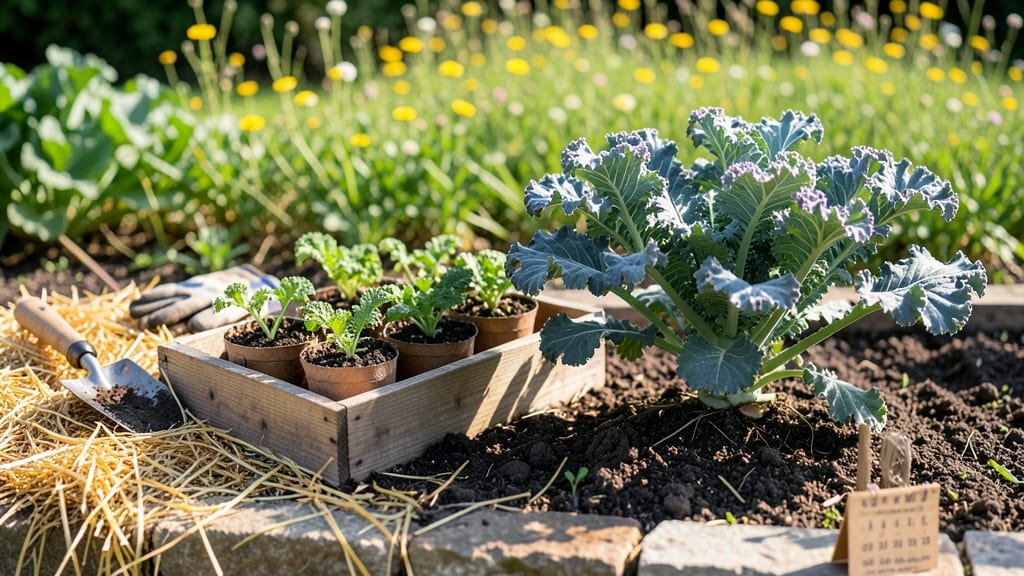
When to plant brassicas in Michigan isn’t just about following a calendar—it’s about outsmarting the 5b-6b zone’s quirks, from late frosts to early heatwaves. Plant too early, and your seedlings might bolt before you even taste that first harvest. Get it right, though, and you’ll enjoy crisp kale straight from your garden through November—or even longer with the right tricks.
Most gardeners in Michigan swear by two planting windows: early spring (March-April) for a summer harvest and late summer (July-August) for fall feasts.
But here’s the catch—your exact start date depends on whether you’re direct-sowing seeds or transplanting seedlings, and whether you’re in southern Michigan’s warmer pockets or the cooler Upper Peninsula.
I’ll break down the 4-6 week rule before your last frost date and why skipping soil prep can turn your brassicas into a pest buffet.
Let’s say you’re dreaming of homegrown broccoli by June or cabbage by September. The key is knowing when to start seeds indoors, when to harden off seedlings, and how to stretch your growing season with row covers.
I’ll share the exact timelines for your favorite brassicas—whether it’s cold-hardy kale or finicky cauliflower—so you can avoid the 3 most common Michigan mistakes that kill yields.
Ready to turn your garden into a brassica powerhouse? By the end of this guide, you’ll know not just when to plant, but how to maximize every square foot of your plot. No more guessing—just bold, flavorful harvests all season long.
Michigan brassica planting calendar: exact start dates by variety and region
Michigan’s cool climate and short growing season demand precision when planting brassicas. Whether you’re growing kale, broccoli, or cabbage, timing directly impacts yield and flavor.
The key? Plant 4-6 weeks before the last frost for spring harvests and 8-10 weeks before the first frost for fall crops.
Michigan spans USDA zones 4-6, so exact dates vary. Southern regions (like Detroit) can start earlier, while northern areas (like Traverse City) need to wait. Use row covers to extend your season by 4-6 weeks—a game-changer for cold-hardy varieties like Winterbor kale.
📅 Spring Planting (March–April): Start indoor seedlings in late February for transplanting in early April. Direct sow hardy greens like spinach and kale as soon as soil is workable (35°F+). For broccoli and cauliflower, wait until mid-April to avoid frost damage.
☀️ Summer Planting (July–August): For a fall harvest, sow seeds 6-8 weeks before the first frost (typically late July). Use shade cloth to protect seedlings from bolting during hot spells. Succession plant every 2-3 weeks for continuous harvests.
| Variety | Spring Planting Window | Fall Planting Window | Notes |
|---|---|---|---|
| Kale (e.g., Winterbor) | Late March–Early April | Late July–Early August | Hardy to 20°F; harvest young leaves. |
| Broccoli (e.g., Waltham 29) | Mid-April–Early May | Late July–Mid-August | Transplant 3-4 weeks before last frost. |
| Cabbage (e.g., Golden Acre) | Early April–Late April | Early August–Mid-August | Space 12-18 inches apart for heads. |
| Brussels Sprouts | Late April–Early May | Late July–Early August | Slow growers; needs 100+ frost-free days. |
For northern Michigan (e.g., Marquette), adjust dates 1-2 weeks later due to colder springs. Southern regions (e.g., Ann Arbor) can push spring planting to early March under row covers. Always check your local frost dates—the Michigan State University Extension provides updated forecasts.
Succession planting is your secret weapon. After harvesting spring brassicas, replant with fast-maturing varieties like bok choy or turnips in late May. This keeps your garden productive and minimizes wasted space. Aim for 3-4 plantings per season to stretch your harvest.
Soil temperature matters more than air temperature. Use a soil thermometer—brassicas thrive in 45-85°F soil. If soil is too cold (below 40°F), seeds may rot or fail to sprout. Warm the soil with black plastic mulch 1-2 weeks before planting to jumpstart growth.
Don’t forget fall brassicas! Plant Brussels sprouts and cabbage in late July for a sweetened harvest after frost. Cold temperatures convert starches to sugars, making flavors richer. Just avoid planting too late—you need 60-80 days to maturity before the first frost.
Pro tip: Mark your calendar for Michigan’s average frost dates. Use floating row covers to protect young plants from late spring frosts (common in May). For fall crops, extend the season with low tunnels or cold frames to harvest into December.
With this schedule, you’ll enjoy fresh brassicas from June through November, beating the heat and pests while maximizing your garden’s potential. Happy planting! 🌱
Cold-hardy brassica varieties that thrive in Michigan’s climate
Michigan’s short growing season demands cold-resistant brassicas that tolerate frost and thrive in cool weather. I’ve grown these top-performing varieties for years, and they consistently deliver in my USDA Zone 5b-6b garden.
The key? Choosing varieties bred for early maturity and disease resistance—especially against clubroot, Michigan’s most common brassica threat.
Start with ‘Winterbor’ kale, my go-to for fall harvests. This variety handles 20°F temperatures and keeps producing sweet, tender leaves until hard frosts hit. For broccoli, ‘Waltham 29’ is a heavy producer that matures in 58-65 days, perfect for Michigan’s 60-90 frost-free days.
And don’t overlook ‘Golden Acre’ cabbage, a storage-friendly variety that resists bolting in summer heat.
Top Brassica Varieties for Michigan
For early spring plantings, I swear by ‘Tendercrunch’ lettuce—it’s bolt-resistant and grows quickly in 30-40 days. If you love Brussels sprouts, ‘Long Island Improved’ is my favorite; it matures in 90-100 days but rewards you with sweet, flavorful sprouts even after light frosts.
Pro tip: Harvest sprouts gradually from the bottom up to extend your harvest window.
Michigan’s late summer heat can trick brassicas into bolting (flowering prematurely). To prevent this, I plant heat-tolerant varieties like ‘De Cicco’ broccoli, which handles 85°F temps better than most.
For fall plantings, focus on cold-hardy greens like ‘Red Russian’ kale—it’s sweetened by frost and keeps producing until December in my garden.
One variety I avoid in Michigan is standard cauliflower—it’s too slow to mature before our first frost. Instead, opt for ‘Snowball Y Improved’, a 60-day variety that thrives in cool weather.
Pair it with ‘Blue Lake’ bush beans for a succession-planting combo that maximizes your garden space.
Remember: Soil health is just as important as variety selection. Amend your beds with compost and aged manure before planting, and maintain a pH of 6.0-7.0 to prevent clubroot. With the right varieties and timing, you’ll enjoy fresh brassicas from May through November—even in Michigan’s unpredictable climate! 🌱