
Plants
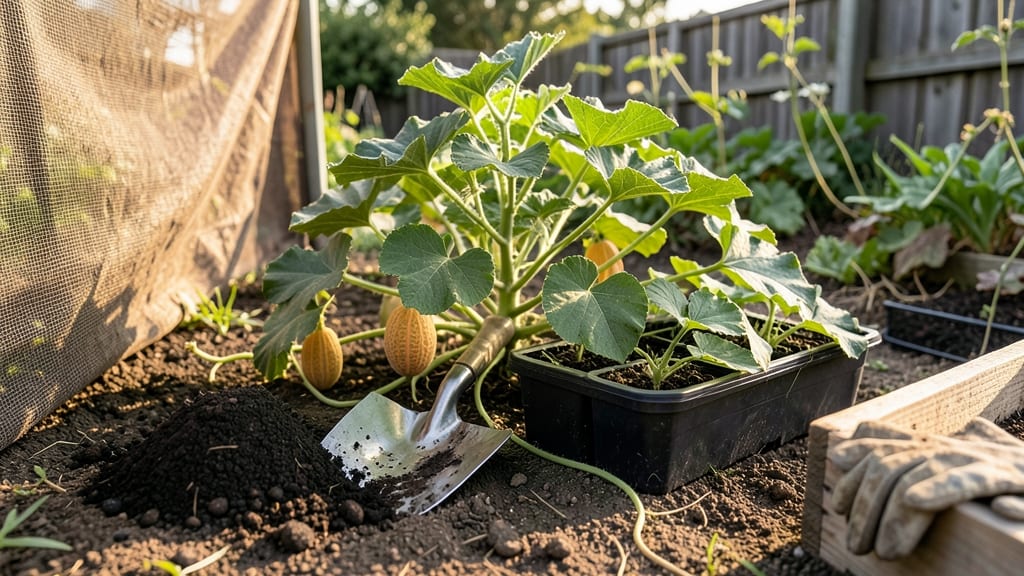
If you’ve ever dreamed of growing sweet, juicy 🍈 cantaloupes in Alabama but weren’t sure when to plant them, you’re not alone—getting the timing right is the key to a bountiful harvest.
Alabama’s warm climate gives you a narrow but perfect window to plant cantaloupe after the last frost, but rushing it could mean frost-killed seedlings or a missed harvest season.
The secret to fast germination and strong vines lies in waiting for soil temperatures to hit 70°F—a critical trigger for Alabama gardeners in USDA zones 7b-8a. Planting too early risks stunted growth, while waiting too long could push your harvest into late summer heat stress.
Let’s break down the exact planting schedule and soil prep tips to ensure your cantaloupes thrive from seed to vine.
From Birmingham’s cooler hills to Mobile’s humid coast, Alabama’s microclimates demand smart adjustments. Whether you’re a first-time gardener or a seasoned grower, knowing when to plant cantaloupe in Alabama can mean the difference between a fast, sweet harvest and a disappointing flop. Here’s how to get it right every time.
Ready to turn your Alabama garden into a cantaloupe paradise? We’ll cover soil temperature checks, frost-free date calculations, and pro tips to beat the heat—so you can enjoy homegrown 🍈 by midsummer. Let’s dig in!
Alabama’s ideal cantaloupe planting timeline by soil temperature
Cantaloupe thrives in Alabama’s USDA zones 7b-8a, but the key to success lies in soil temperature, not just calendar dates. Seeds need 50-60°F soil to germinate, but vines grow best when soil hits 70°F+.
In North Alabama (e.g., Huntsville), aim for mid-April to early May, while South Alabama (e.g., Mobile) can start as early as late March.
Alabama’s last frost dates vary wildly: March 15 in North vs. February 15 in South. However, never plant before soil warms—cantaloupe hates cold. Use a soil thermometer to confirm readiness. Black plastic mulch can add 5-10°F to soil, speeding up germination in cooler areas like Birmingham.
| Region | Last Frost | Ideal Planting Window | Soil Temp Goal |
|---|---|---|---|
| North (Huntsville) | March 15 | Mid-April to early May | 70°F+ |
| Central (Birmingham) | March 1 | Late March to April | 65°F+ |
| South (Mobile) | February 15 | Late March to early April | 60°F+ |
For urban gardeners in Birmingham, container-grown cantaloupes can start 2-3 weeks earlier using heat mats. But beware: container soil cools faster at night. If you’re in Zone 7b (North Alabama), consider starter plants instead of seeds—they’ll outpace direct-sown seedlings by 2-3 weeks.
Alabama’s summer heat (90°F+) can stress cantaloupes if planted too late. Aim to harvest by mid-September to avoid heat-induced blossom drop. In Mobile, you might squeeze in a second planting in June for a fall harvest, but this requires shade cloth during peak afternoon sun.
Pro tip: Check the Alabama A&M Extension’s frost maps for your exact county. For example, Anniston’s last frost often runs 10 days later than Birmingham’s. Microclimates near lakes or rivers (like Guntersville) may allow earlier plantings due to delayed frost.
If you’re using row covers, you can push planting dates 2 weeks earlier in cooler zones. But remove covers once vines start flowering—cantaloupes need pollinators like bees! In Alabama, honeybees are active by mid-April, aligning perfectly with the ideal planting window.
For organic gardeners, add composted manure 2 weeks before planting to boost soil warmth. In sandy soils (common in South Alabama), mix in peat moss to retain moisture and moderate temperature swings. Test your soil’s pH (6.0-6.8)—cantaloupes hate acidic soil.
Remember: Alabama’s humidity (60-80%) speeds up fungal diseases. Space plants 36 inches apart and use drip irrigation to keep foliage dry. The earliest you can plant is February 15 in Mobile, but March 1 is safer for most of the state.
🌱
Alabama’s ideal cantaloupe planting timeline by soil temperature
Alabama’s USDA zones 7b-8a create a perfect environment for cantaloupe, but soil temperature is your true planting clock. Cantaloupe seeds need 50-60°F soil to germinate, but vines thrive when soil hits 70°F+.
In Alabama, this typically aligns with mid-April to early May after the last frost—usually around March 15 in most regions.
Northern Alabama (e.g., Huntsville) may need to wait until late April, while southern areas like Mobile can start planting as early as mid-March. The key is soil warmth, not just air temperature—use a soil thermometer to confirm readiness before planting.
| Region | Last Frost Date | Optimal Planting Window | Soil Temp Goal |
|---|---|---|---|
| North Alabama (Huntsville) | March 20-April 5 | Late April-Early May | 70°F+ |
| Central Alabama (Birmingham) | March 10-April 1 | Mid-April-Mid May | 65°F+ |
| South Alabama (Mobile) | February 20-March 10 | Mid-March-April | 60°F+ |
For faster germination, use black plastic mulch to raise soil temperatures by 5-10°F. This trick is especially useful in northern Alabama where cooler springs delay planting. Always plant after the last frost date—cantaloupe seedlings won’t survive even light frost.
Alabama’s summer heat means cantaloupe thrives when planted early. Vines need 60-90 days to mature, so aim for a July-September harvest. Planting too late risks heat stress or poor fruit development as temperatures climb above 90°F.
Pro tip: Start seeds indoors 4-6 weeks before your region’s last frost if you’re eager to extend your growing season. Use biodegradable pots to transplant seedlings without disturbing roots—a must for Alabama’s humid climate.
Remember, cantaloupe is a warm-season crop, so don’t rush planting. Patience now means sweet, ripe fruit later—worth the wait for Alabama’s summer fruit salad!