
Trees
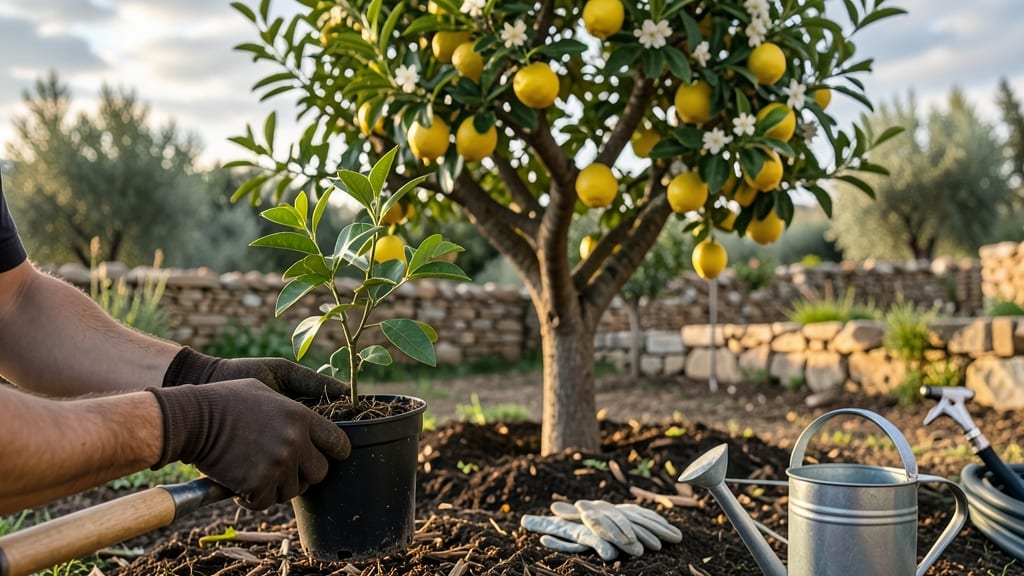
Timing your 🍊 citrus tree planting in Zone 9 isn't just about the calendar—it's about giving your tree the best shot at strong roots and a bountiful harvest.
Plant too early, and frost (even a light one) can shock young roots; too late, and summer heat stresses the tree before it establishes itself.
For Zone 9 gardeners, the sweet spot is late winter to early spring—think February through March—when soil warms but extreme heat hasn’t arrived yet. This window lets your citrus tree take advantage of mild temperatures and consistent moisture, setting the stage for healthier growth and faster fruit production.
But here’s the kicker: coastal Zone 9 areas have different microclimates than inland spots. Humidity, soil drainage, and even ocean breezes can shift the ideal planting window by weeks.
I’ll break down how to read your local conditions and adjust your timeline for maximum success—so you’re not left with a struggling tree.
Ready to plant? Let’s dive into the exact steps, from soil prep to post-planting care, so your citrus tree thrives year-round—no guesswork required.

Optimal planting months for citrus trees in Zone 9: avoid these mistakes
Zone 9 is a citrus lover’s paradise—no frost to worry about and year-round growing potential. But even here, planting timing makes all the difference.
The best window for citrus trees is late winter to early spring, specifically February through March, when soil temperatures rise but extreme summer heat hasn’t arrived yet.
This timing gives your tree 6-8 weeks of cool, moist soil to establish roots before summer’s intensity. Think of it like giving your citrus a head start—roots grow faster in 60-75°F soil, and the tree avoids the stress of sudden heat spikes that can shock new plantings.
Here’s the catch: Coastal Zone 9 (like Southern California) can plant as late as April thanks to ocean breezes, while inland areas (like Arizona’s lower deserts) should aim for February to avoid early heatwaves. Microclimates matter—more on that later!
| Planting Window | Ideal Soil Temp | Why It Works | Zone 9 Notes |
|---|---|---|---|
| Late Winter (Feb) | 60-65°F | Cooler temps slow evaporation; roots establish before heat. | Best for inland Zone 9 (e.g., Phoenix). |
| Early Spring (Mar) | 65-75°F | Warmth speeds root growth; avoids summer stress. | Universal sweet spot for most of Zone 9. |
| April (Coastal Only) | 70-75°F | Ocean breezes moderate heat; ideal for coastal areas. | Risky inland—heat can overwhelm young roots. |
| Summer (May-Aug) | 80°F+ | High stress; roots struggle to establish. | Avoid unless using shade cloth and extra water. |
| Fall (Sep-Oct) | 60-70°F | Good for bare-root trees; cooler temps help recovery. | Second-best option if spring planting missed. |
Summer planting is a common mistake—and one I’ve seen ruin many a citrus tree. When you plant in June or July, the intense heat causes soil to dry out quickly, forcing young roots to work overtime just to survive.
Without proper mulching and shade, your tree’s energy goes into staying alive instead of growing strong roots for fruit production.
I once planted a Meyer lemon in August as an experiment (don’t judge me). By November, it was half-dead—the roots had never recovered from the stress. The lesson? Wait for spring unless you’re using drip irrigation and shade cloth to mimic ideal conditions.
For container-grown citrus, you have a slightly longer window—up to May in coastal areas—because pots dry out faster and can be moved to shadier spots during heatwaves. But even then, March is ideal for containers too, as cooler temps reduce transplant shock.
Pro tip: Check your local microclimate. A spot near a heat-retaining wall or paved driveway can be 10°F warmer than your yard’s average, pushing the ideal planting window 2 weeks earlier.
Use a soil thermometer ($10 at garden centers) to confirm temps are in the 60-75°F range before planting.
Finally, avoid planting in fall unless you’re in a very mild microclimate. While fall can work for bare-root trees, the shorter days slow root growth, and winter rains (if any) can lead to waterlogged soil, which citrus hates.
Stick to spring for best results—your future harvest will thank you.
Ready to prep your soil and site? Let’s talk location, drainage, and pre-planting care next.
Optimal planting months for citrus trees in Zone 9: avoid these mistakes
Zone 9’s frost-free climate means you won’t face the same risks as northern gardeners, but timing still matters for citrus trees. The ideal window is late winter to early spring—specifically February through March—when soil temperatures hover between 60°F and 70°F.
This range kickstarts root growth without stressing the tree with summer heat or winter chill.
Planting in April or May is still acceptable, but your tree may struggle to establish roots before the peak summer heat arrives. Inland Zone 9 areas (like Phoenix) can hit 100°F+ by June, while coastal regions (like San Diego) stay milder.
Adjust your timeline by 2-4 weeks based on your microclimate—coastal gardeners can plant slightly earlier.
⚠️ Avoid summer planting at all costs—unless you’re in a shaded, irrigated container setup. High temperatures and low humidity stress young citrus trees, leading to leaf drop and poor root development.
If you must plant in summer, choose a dwarf variety in a 50-gallon pot with daily shade cloth protection.
| Planting Window | Soil Temp (°F) | Risk Level | Notes |
|---|---|---|---|
| Late Winter (Feb) | 55-65°F | Low | Best for root establishment; mild temps |
| Early Spring (Mar-Apr) | 60-70°F | Moderate | Ideal for most Zone 9 regions |
| Summer (May-Aug) | 75°F+ | High | Only for containers with shade; stress risk |
| Fall (Sep-Oct) | 65-75°F | Low | Good for bare-root trees; avoid late Oct |
For container-grown citrus, you can plant year-round in Zone 9, but spring is still best for outdoor pots. If you’re moving a potted tree outdoors in summer, acclimate it gradually over 7-10 days to avoid transplant shock.
Harden off your tree by moving it to partial shade for a few hours daily, then gradually increase sun exposure.
Pro tip: Use a soil thermometer to check temperatures before planting. Aim for 60°F+ at 6 inches deep—this ensures roots warm up quickly. If your soil is cooler (common in shaded or high-elevation Zone 9 spots), wait 1-2 weeks longer to plant.
Finally, avoid planting in December or January unless you’re in a microclimate with consistent warmth (like coastal Southern California). Even mild winter chills can slow growth, delaying your first harvest by 6-12 months.
Stick to the February-March window, and your citrus tree will reward you with faster establishment and bigger fruit.