
Plants
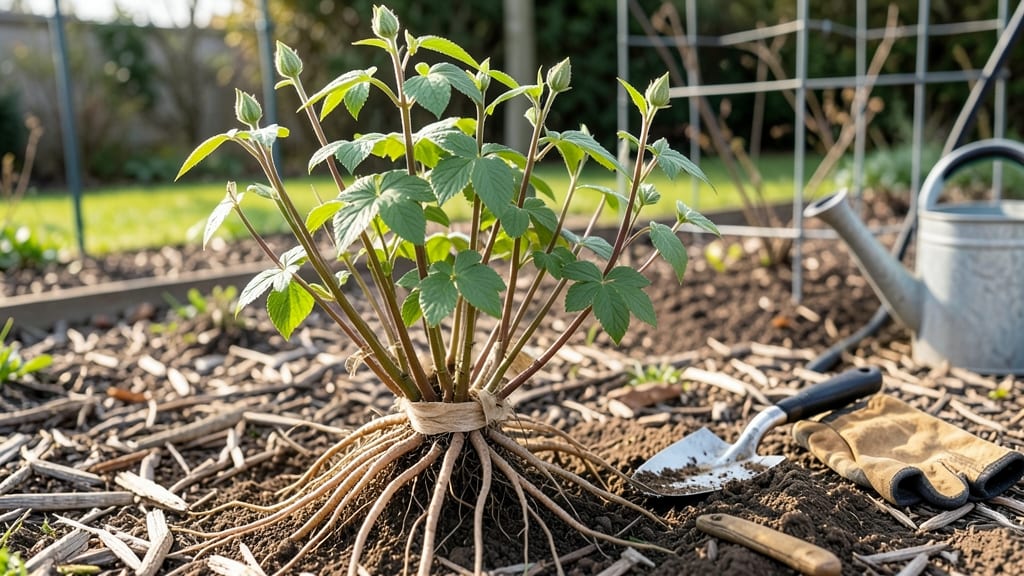
Timing your clematis planting in Texas isn't just about the calendar—it's about matching your 🌸 clematis to the state's unique chill-hour zones and frost-free windows. Skip the guesswork, and you could end up with vines that struggle to bloom or worse, fail to survive Texas' brutal summers.
Here's the secret: Fall planting (September-November) gives your clematis a head start on root establishment before winter, while spring planting (February-March) works better for varieties needing fewer chill hours.
But with Texas' varying zones—from 8a in North Texas to 10a in the South—your exact timing matters more than you might think.
I'll break down exactly when to plant based on your specific zone, plus how to adjust for Texas' heat and drought conditions. Whether you're in Houston or El Paso, you'll learn how to give your clematis the best possible start for maximum blooms and vine health.
Ready to transform your Texas garden into a clematis paradise? Let's get those vines in the ground at the perfect moment—because in Texas, timing really is everything for these stunning climbers.
Texas clematis planting timeline by chill-hours & frost dates
Texas gardeners face unique challenges when planting clematis—the state's hot summers and variable chill-hours demand careful timing. Unlike cooler climates, Texas clematis thrive best when planted during fall or early spring to avoid heat stress and ensure proper root establishment before summer's intensity.
Understanding your USDA zone (6-10) and local first/last frost dates is critical to selecting the right planting window.
Clematis varieties require 300-900 chill-hours to bloom, but Texas zones typically offer 500-800 chill-hours in North Texas and 300-500 chill-hours in South Texas.
This means choosing the right cultivar and planting at the optimal time—usually 6-8 weeks before first frost—can mean the difference between a flourishing vine and a struggling one. Let’s break down the best planting windows for each Texas region.
| Texas Region | USDA Zone | Chill-Hours | First Frost | Last Frost | Best Planting Window |
|---|---|---|---|---|---|
| North Texas (Dallas, Fort Worth) | 7b-8a | 600-800 | November 15 | February 15 | September 15 - October 31 or February 1 - March 15 |
| Central Texas (Austin, San Antonio) | 8a-8b | 500-700 | November 22 | March 1 | September 1 - October 15 or February 15 - March 10 |
| West Texas (El Paso, Lubbock) | 7b-8a | 400-600 | November 1 | March 15 | August 15 - September 30 or February 1 - March 15 |
| East Texas (Houston, Tyler) | 8a-9a | 400-600 | November 10 | February 28 | September 1 - October 15 or January 15 - February 15 |
| South Texas (Corpus Christi, Brownsville) | 9a-10a | 300-500 | December 1 | January 15 | August 1 - September 15 or January 1 - February 10 |
For North Texas (zones 7b-8a), the ideal planting window is late September to October or early February to March. This timing allows roots to establish before the summer heat or winter chill sets in.
Varieties like 'Jackmanii' or 'Comtesse de Bouchaud', which need 600+ chill-hours, thrive here with proper care.
In Central and East Texas (zones 8a-9a), where chill-hours are lower, opt for early fall (September) or late winter (January-February) planting. Clematis like 'Niobe' or 'Durandal', which require 400-600 chill-hours, perform well in these regions.
Avoid planting in peak summer, as the intense heat can shock young plants and stunt growth.
Gardeners in South Texas (zones 9a-10a) should plant clematis in late summer (August-September) or very early spring (January-February). Varieties such as 'Perle d'Azur' or 'Wyatt', which need 300-500 chill-hours, are better suited for these warmer climates.
Container planting offers flexibility here, allowing you to move vines to shadier spots during summer.
If you miss the fall planting window, don’t panic—early spring is the next best option. Just ensure your clematis crown is planted 4-6 inches below soil to protect it from heat stress and provide stability.
Always pair planting with a well-established trellis to support the vine’s rapid growth once temperatures rise.
Pro tip: Use mulch around the base of your clematis to retain moisture and regulate soil temperature. This is especially important in Texas, where drought conditions and <
How to adjust planting time for Texas heat & drought conditions
Texas heat and drought can stress newly planted clematis, so adjusting your planting timeline is key. If you plant too early, vines may suffer from summer heat stress.
Planting too late risks weak root establishment before winter. The solution? Choose the right seasonal window and prepare your soil for water retention.
For North Texas (Zones 7b-8a), aim for late February to early March or September to October. In Central and South Texas (Zones 8b-10a), focus on September-October or January-February to avoid extreme summer heat. These adjustments help vines establish roots before peak heat or freezing temperatures.
🌱 Pro Tip: If you must plant in summer (June-August), use shade cloth and mulch heavily to protect roots. Water deeply every 2-3 days until established.
- 📅 Plant in fall (Sept-Oct) for cooler soil temps and root establishment before summer.
- ☀️ Use shade cloth (30-50%) if planting in spring (March-April) to reduce heat stress.
- 💧 Water deeply at planting (1-2 gallons) to encourage root growth in dry soil.
- 🌿 Mulch with 2-3 inches of organic mulch (straw or wood chips) to retain moisture.
- ✂️ Avoid pruning in first year to reduce stress on new vines.
Soil preparation is just as critical as timing. Clematis thrive in well-draining, moisture-retentive soil. Amend your soil with compost or peat moss to improve water retention, especially in sandy Texas soils. A 5-gallon bucket of compost mixed into the planting hole works wonders.
If you live in West or South Texas, where summers are harshest, consider container planting. Pots allow you to move clematis to shadier spots during peak heat (June-July) and brighter locations in cooler months. Just ensure containers have drainage holes and use moisture-control granules.
Finally, monitor your clematis closely after planting. Wilting leaves or yellowing foliage signal underwatering or heat stress. Adjust watering immediately—clematis roots need consistent moisture but hate soggy soil. With these adjustments, your clematis will thrive year-round in Texas’ challenging climate. 🌿