
Plants
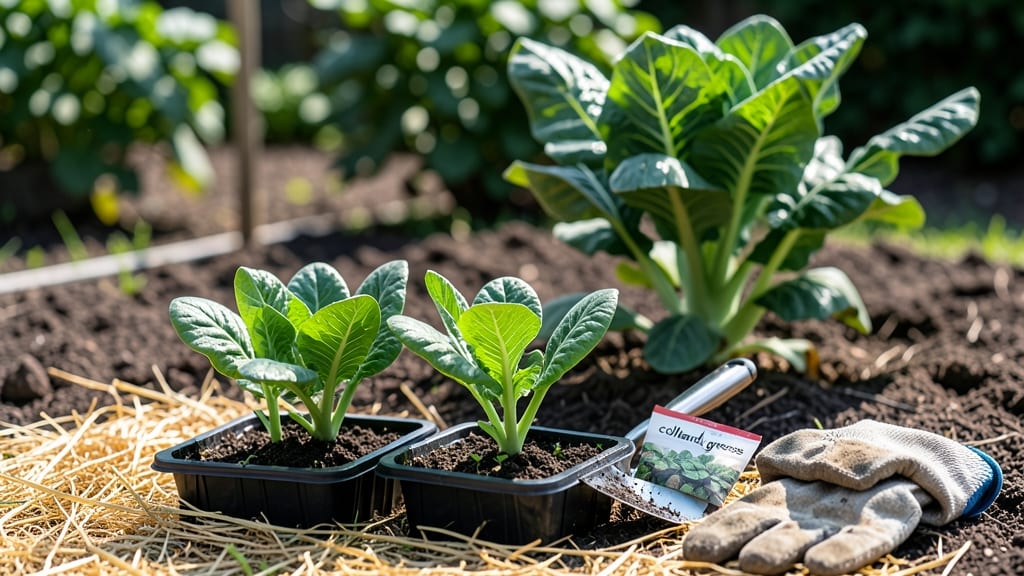
If you're dreaming of a bountiful harvest of crisp, flavorful 🥬 collards but don’t want to gamble with frost or stunted growth, when to plant collards in South Carolina is your secret weapon.
The state’s mild winters and hot summers create a tricky balance—plant too early, and heat stresses your seedlings; too late, and frost ruins your crop. The good news? With the right frost-date cheat sheet for your zone, you can lock in perfect planting windows for both fall and spring harvests.
Most SC gardeners swear by late summer to early spring as the ideal window, but the exact dates depend on whether you're in Zone 7b’s cooler Piedmont or Zone 8a’s warmer coastal areas. For example, Charleston’s longer frost-free season lets you push spring plantings later than Upstate growers.
I’ll break down the exact weeks to plant—plus pro tips for succession planting—to keep your collards thriving from October through February.
Why does this matter? Because collards are hardy but not foolproof—they bolt in summer heat and wilt under early frost. By aligning your schedule with South Carolina’s 220 frost-free days, you’ll avoid common pitfalls like leggy seedlings or bitter leaves.
Whether you’re a first-time gardener or a seasoned green thumb, these zone-specific dates will help you plan with confidence.
Ready to transform your garden into a collard powerhouse? Let’s dive into the frost-date cheat sheet that’ll have you harvesting crisp, homegrown greens all winter long—no guesswork required.
South Carolina collard planting dates by USDA hardiness Zone (frost-date guide)
South Carolina’s USDA Zones 7b-8a create two distinct planting windows for collards—spring and fall—with fall harvests being the most reliable. The key is avoiding first frost dates, which typically arrive in mid-March for most regions.
For Zone 7b (Upstate), aim for late August to early September transplants, while Zone 8a (Coastal) gardeners can extend planting until mid-October.
Spring planting is trickier due to heat stress—start seeds indoors 6-8 weeks before last frost (around mid-February) or transplant hardened seedlings in early March. The goal is to establish plants before summer’s brutal heat sets in, which can cause bolting (premature flowering).
For continuous harvests, use succession planting: sow seeds every 2-3 weeks from August through October. This ensures fresh leaves through winter’s mild temperatures, even when frost arrives. In Zone 8a, collards can often overwinter with row covers for early spring harvests.
Here’s your frost-date cheat sheet for South Carolina’s zones, including ideal transplant windows and harvest timelines:
| Zone | Last Frost Date | Ideal Transplant Window | First Frost Date | Harvest Window |
|---|---|---|---|---|
| 7b (Upstate) | Mid-November | Late August–Early September | Mid-March | October–February |
| 8a (Coastal) | Late November | Mid-August–Mid-October | Early March | September–March |
Pro tip: Soil temperature matters just as much as air temperature. Collard seeds need soil temps above 60°F to germinate. Use a soil thermometer to confirm readiness—especially in Zone 7b, where cooler soils delay growth. For spring transplants, wait until soil warms to 70°F+ to avoid stunted seedlings.
In Zone 8a, you can push the envelope with late-summer transplants (July-August) if you provide shade cloth (30-50% shade) to protect young plants from intense sun.
Varieties like ‘Georgia Southern’ or ‘Top Bunch’ tolerate heat better than heirloom types. Always harden off seedlings for 7-10 days before transplanting to prevent shock.
For fall harvests, prioritize late-maturing varieties (60+ days to harvest) like ‘Vates’ or ‘Blue Max’. These handle cool nights better and produce sweeter leaves after first frost. In Zone 7b, add mulch (straw or leaves) around plants in November to insulate roots and extend the season.
Remember: Collards are cold-hardy but not frost-proof. A light frost (28-32°F) sweetens leaves, but hard frosts (below 28°F) can damage plants. Use row covers or cold frames to protect tender varieties during winter’s occasional deep freezes.
🌱
South Carolina collard planting dates by USDA hardiness Zone (frost-date guide)
South Carolina’s USDA Zones 7b-8a create two distinct planting windows for collards—spring and fall. The first frost typically arrives in mid-November in Zone 7b (Upstate) and late November in Zone 8a (Coastal).
Meanwhile, the last frost usually occurs in mid-March, giving you a 220-day frost-free season to grow these cold-hardy greens.
For the best flavor and harvest, focus on fall planting (August–September) and early spring planting (March). Fall-planted collards mature just in time for cooler weather, while spring transplants avoid summer’s bolting risk. Let’s break down the exact planting dates by zone to help you plan.
📅 Frost-Date Cheat Sheet for SC Collards
| Zone | First Frost | Ideal Planting Window | Succession Planting |
|---|---|---|---|
| Zone 7b (Upstate) | Mid-November | March 1–April 15 (spring) / August 1–September 15 (fall) | Every 2–3 weeks until September 1 |
| Zone 8a (Coastal) | Late November | March 15–April 30 (spring) / August 15–October 1 (fall) | Every 3–4 weeks until October 15 |
Planting 4–6 weeks before the first frost ensures your collards mature before winter sets in. For example, in Zone 7b, aim to transplant by September 15 for a harvest before frost. In Zone 8a, you can push it slightly later—October 1—thanks to the milder coastal climate.
Succession planting is key to continuous harvests. Sow new seeds every 2–3 weeks in Zone 7b and 3–4 weeks in Zone 8a until early fall. This strategy keeps your garden producing tender leaves from October through February, even in winter’s chill.
Pro tip: Use row covers in late fall to protect young plants from unexpected light frosts (28–32°F). Collards actually sweeten with frost, so a little cold won’t hurt—just avoid hard freezes below 20°F.
For summer planting, opt for heat-tolerant varieties like ‘Blue Max’ or ‘Georgia Southern’ and provide afternoon shade during peak heat (90°F+). This prevents bolting and keeps your plants focused on leaf growth.