
Plants
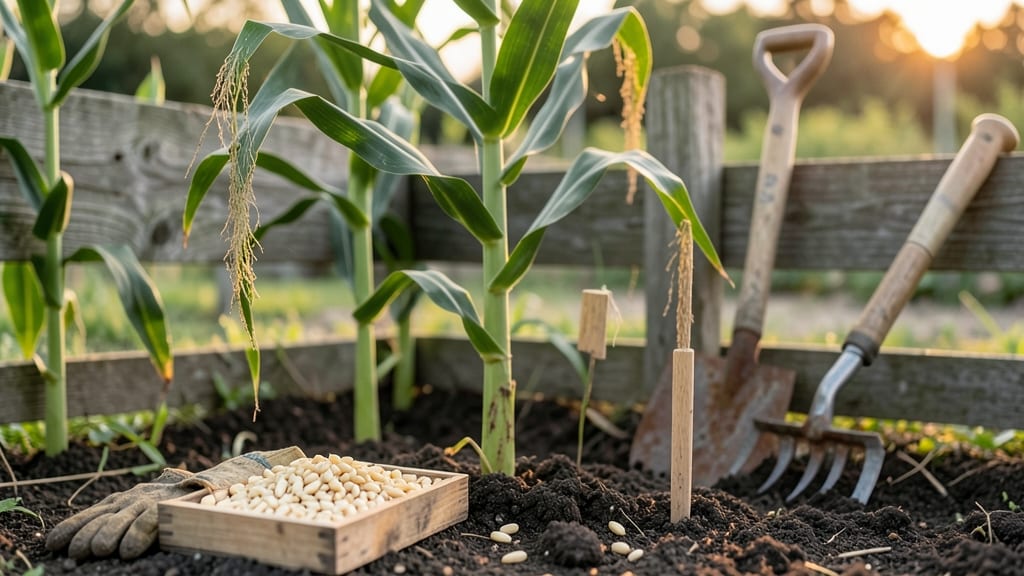
When to plant corn in North Carolina isn’t just about grabbing seeds and sticking them in the dirt—it’s about catching that sweet spot between frost and peak summer heat to grow ears so sweet they’ll have your neighbors begging for recipes. With North Carolina’s varied microclimates, from the humid coastal plains to the Piedmont’s rolling hills, getting the timing right means the difference between a bountiful harvest and a sad, stunted 🌽 disappointment.
Most gardeners here know the golden rule: wait until the soil warms to at least 60°F and the last frost has passed—typically mid-April to late June, depending on your zone.
But here’s the kicker: planting too early in Zone 7b risks a late frost, while Zone 8a gardeners can push it a little later without sacrificing yield. I’ll break down exactly when to start seeds indoors (if you’re ambitious) or go straight to direct sowing for foolproof results.
What you’ll discover isn’t just dates—it’s a strategy. We’re talking soil prep tricks to speed up warming, how to stretch your growing season with succession planting, and even which corn varieties thrive best in NC’s humidity.
Whether you’re a first-timer or a veteran gardener, these insights will help you avoid the 3 biggest mistakes that wreck corn harvests here—like planting too close together or ignoring soil pH.
Ready to grow corn that’s so crisp and sweet it tastes like summer in every bite? Let’s dive into the exact planting schedule, soil secrets, and pro tips to turn your North Carolina garden into a corn lover’s paradise—no guesswork required.
Optimal corn planting dates in North Carolina by Zone (7b vs 8a)
North Carolina’s USDA Zones 7b and 8a offer perfect conditions for growing sweet corn, but the last frost dates vary significantly between them.
In Zone 7b (e.g., Raleigh, Greensboro), the average last frost date is around April 15, while Zone 8a (e.g., Charlotte, Wilmington) typically sees its last frost by March 15. These differences mean your planting window shifts by nearly a month!
For both zones, soil temperature is more critical than calendar dates. Corn seeds won’t germinate well until the soil reaches 50°F, but they thrive best at 60°F or warmer.
In Zone 7b, this usually aligns with mid-April, while Zone 8a gardeners can start as early as early March in coastal areas.
Here’s how to time your planting for early, mid, and late varieties to ensure a continuous harvest from July through October:
In Zone 7b, I recommend starting with early varieties like ‘Silver Queen’ (65 days) in mid-April to avoid corn earworm pressure later in the season.
For Zone 8a, you can even plant a winter variety like ‘Country Gentleman’ (120 days) in early March for a late-summer harvest before the first frost.
Direct sowing is the best method for corn—transplants struggle to establish roots. Plant seeds 1–1.5 inches deep and 4–6 inches apart, with 30–36 inches between rows. Use a soil thermometer to confirm temperatures before planting; if the soil is below 50°F, wait a week or two.
One common mistake is planting too densely, which leads to poor pollination and smaller ears. Stick to the spacing guidelines, and consider planting blocks of corn (e.g., 4×4 feet) rather than single rows to improve cross-pollination.
In humid NC summers, mulch with straw to retain moisture and prevent fungal diseases like corn smut.
For gardeners in Zone 8a’s coastal areas, like Wilmington or Morehead City, you can push the envelope by planting succession crops every 2 weeks until early June. This extends your harvest window and reduces the risk of raccoon damage (a common issue in late-summer gardens).
Pro
How to adjust planting time for corn varieties and soil conditions
Not all corn is created equal—and neither are planting times! In North Carolina, your choice of corn variety (sweet, field, or heirloom) and soil conditions (moisture, temperature) can shift your planting window by weeks.
For example, early-maturing varieties like 'Silver Queen' can go in as soon as soil hits 50°F, while late-season types like 'Peaches and Cream' need warmer 60°F+ soil to thrive.
Your soil temperature is the real game-changer. Use a soil thermometer ($10 at garden centers) to check depth—corn roots need 60°F+ for germination.
In Zone 7b, this typically means waiting until mid-April, while Zone 8a gardeners can start as early as late March in coastal areas where soil warms faster.
🌱
- Test Soil Readiness
- Adjust for Variety Type
- Extend the Season
- Succession Planting
- Watch for Heat Stress
For heirloom or field corn, push planting to late April-early May to avoid corn earworm pressure. These varieties need longer maturity times (90+ days), so later starts ensure they reach harvest before first frost (typically mid-November in Zone 7b).
Pro tip: If your soil stays cool (common in Piedmont clay), mix in compost or aged manure 2 weeks before planting to raise temperatures naturally. For sandy coastal soils, add organic mulch to retain moisture and stabilize temperatures.
🌾
Remember: Corn is a short-day plant, meaning it flowers based on daylight length. In North Carolina, this means ear development accelerates in June-July—so align your planting to hit peak harvest (August-September) when days start shortening.
Use this 30-day rule: Count back from your average first frost date (Zone 7b: Nov 15; Zone 8a: Dec 1) and subtract 90 days (minimum maturity) to find your last planting window.