
Plants
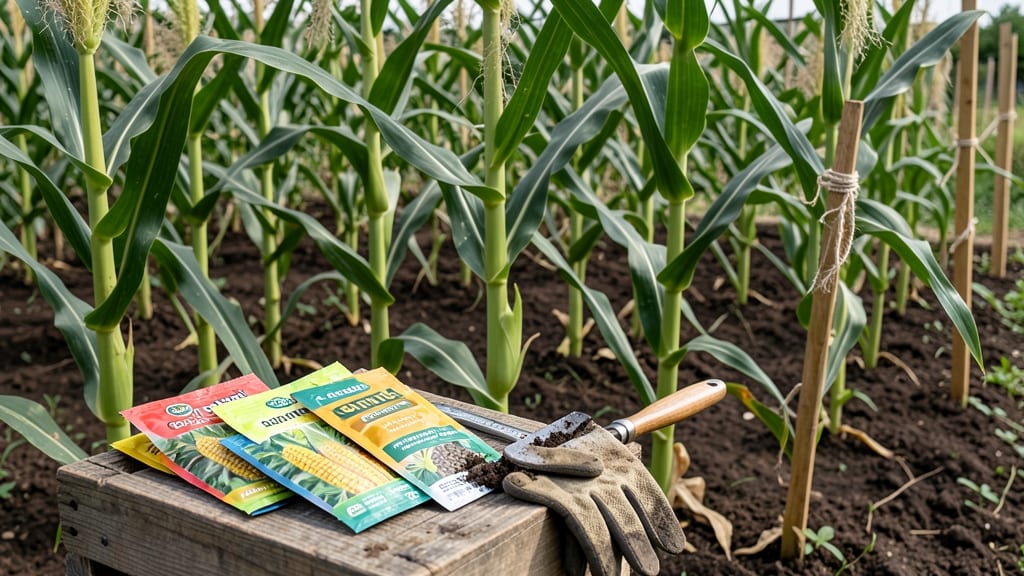
Timing your 🌽 corn planting in Zone 5 can make or break your harvest—plant too early, and frost will nip tender seedlings in the bud; wait too long, and your crop might not mature before the first frost.
The sweet spot? Mid-April to mid-May, when soil temperatures hit a steady 60°F and the threat of frost has passed.
But here's the catch: Zone 5's short growing season means you can't afford guesswork.
Whether you're growing sweet corn for summer meals or dent corn for fall storage, getting the timing right ensures your plants have enough time to grow tall, strong, and productive before the first frost hits in October.
Let me show you exactly how to calculate your ideal planting window and avoid common mistakes that waste your hard work.
You might think all corn varieties can be planted the same way, but that's a recipe for disappointment. Early-season varieties need to go in the ground first, while later-maturing types can wait a few weeks.
I'll break down how to stagger your plantings for a continuous harvest from July through September—plus, how to extend your growing season if you're eager for that first ear of corn.
Ready to turn your garden into a cornucopia? By the end of this guide, you'll know not just when to plant, but how to set your corn up for success—from soil prep to spacing and everything in between. Let's get those seeds in the ground at the perfect moment!

Optimal planting dates for corn in Zone 5 based on soil temperature
Planting corn in Zone 5 requires precision—your last frost date (typically mid-May) and soil temperature are the two most critical factors. Corn seeds need soil that’s at least 50°F to germinate, but roots thrive best when temperatures reach 60°F or warmer.
In my experience, waiting for consistently warm soil (test with a soil thermometer) is better than rushing too early.
Zone 5’s short growing season (about 165 frost-free days) means timing is everything. Planting too early risks cold soil and slow germination, while late planting may leave ears unripe before frost.
The sweet spot? Aim for 2–4 weeks after your last frost date, typically mid-April to mid-May in most of Zone 5.
Here’s the key: Direct sowing is the only way to grow corn—transplants struggle to establish roots. Start seeds 1–1.5 inches deep, spacing them 4–6 inches apart in rows 30–36 inches apart. This spacing ensures good air circulation and prevents fungal diseases like corn smut.
If you’re unsure about your exact last frost date, check your local USDA Plant Hardiness Zone map or use a frost calendar for your specific city. For example, Chicago (Zone 5b) averages its last frost around May 10, while Pittsburgh (Zone 6a) might be a week earlier.
Adjust your planting window accordingly.
| Factor | Zone 5 Specification | Actionable Tip |
|---|---|---|
| Last Frost Date | Mid-May (varies by city) | Plant 2–4 weeks after last frost. |
| Soil Temperature | 60°F+ (minimum 50°F) | Use a soil thermometer to confirm. |
| Planting Window | Mid-April to Mid-May | Stagger plantings for extended harvests. |
| Seed Depth | 1–1.5 inches | Plant deeper in sandy soil. |
| Spacing | 4–6" apart, rows 30–36" apart | Prevents cross-pollination issues. |
For maximum yield, consider planting in blocks rather than single rows. This encourages cross-pollination (corn is wind-pollinated) and ensures better ear development. For example, plant a 5x5 foot block for a small garden or a 10x10 foot block for larger harvests.
Just be sure to label your varieties if growing multiple types!
If you’re in a cooler microclimate within Zone 5 (like a high-elevation area), err on the side of later planting. Conversely, if you’re in a warmer microclimate (like near a lake or urban heat island), you might push planting to early April if soil temps are ideal.
Always monitor 7-day forecasts for unexpected cold snaps.
Pro tip: Black plastic mulch can warm soil by 5–10°F, allowing you to plant 1–2 weeks earlier in spring. Lay the mulch down 1–2 weeks before planting to maximize soil temperature. Just remove it after harvest to avoid soil compaction next season.
Finally, don’t forget to test your soil pH before planting. Corn prefers slightly acidic to neutral soil (pH 6.0–7.0). If your soil is too acidic, amend it with lime in the fall before planting. A simple home soil test kit (available at garden centers) makes this easy.
By following these soil temperature guidelines and adjusting for your local climate, you’ll set your corn up for a healthy, productive growing season—even in Zone 5’s shorter window. 🌽
Optimal planting dates for corn in Zone 5 based on soil temperature
In Zone 5, corn (🌽) needs precise timing—plant too early and cold soil stunts germination; too late and frost cuts harvests short. The last frost date (around mid-May) is just the starting point.
Soil must reach 50°F+ for seeds to sprout, but 60°F+ ensures faster, healthier growth.
Corn’s 165-day frost-free window in Zone 5 demands careful planning. Early varieties (80–90 days to maturity) can stretch harvests into September, while late varieties risk frost damage. Always check your local frost calendar—some Zone 5 areas (like Chicago) have earlier frosts than others (like Cincinnati).
| Stage | Action | Soil Temp | Notes |
|---|---|---|---|
| Early April | Prep soil | 45°F+ | Add compost; avoid tilling wet soil |
| Mid-April | Test soil temp | 50°F+ | Use a soil thermometer; wait for consistency |
| Late April | Plant early varieties | 60°F+ | 1–1.5" deep; 4–6" apart in rows 30" apart |
| Early May | Plant mid/late varieties | 65°F+ | Stagger plantings every 2 weeks for extended harvest |
| June–July | Monitor tasseling | N/A | Ensure 6+ hours of sun daily; water deeply |
For direct sowing (the preferred method), wait until soil is warm to the touch—stick your finger in; if it feels like a warm bath, it’s ready. Transplanting corn (rarely done) requires even warmer soil (70°F+) to prevent shock.
Use a soil thermometer to avoid guesswork—corn seeds won’t germinate below 50°F, even if frost has passed.
Zone 5 gardeners often use black plastic mulch to warm soil faster, shaving 1–2 weeks off the planting window. Lay it down 2 weeks before sowing to accelerate soil heating.
Pair this with row covers for early plantings to protect tender seedlings from unexpected late frosts (28°F or below).
If your area has a short growing season, prioritize early-maturing varieties like ‘Early Sunglow’ (70 days) or ‘Silver Queen’ (85 days).
These beat frost by late August, while long-season types like ‘Golden Bantam’ (100+ days) may struggle unless planted in heated greenhouse beds or with protective tunnels.
Pro tip: Plant a second crop in early June for a late-summer harvest. Choose sweet corn varieties with 90–100 day maturity—these often ripen just before frost hits. Just be ready to harvest every 2–3 days once ears form!