
Plants
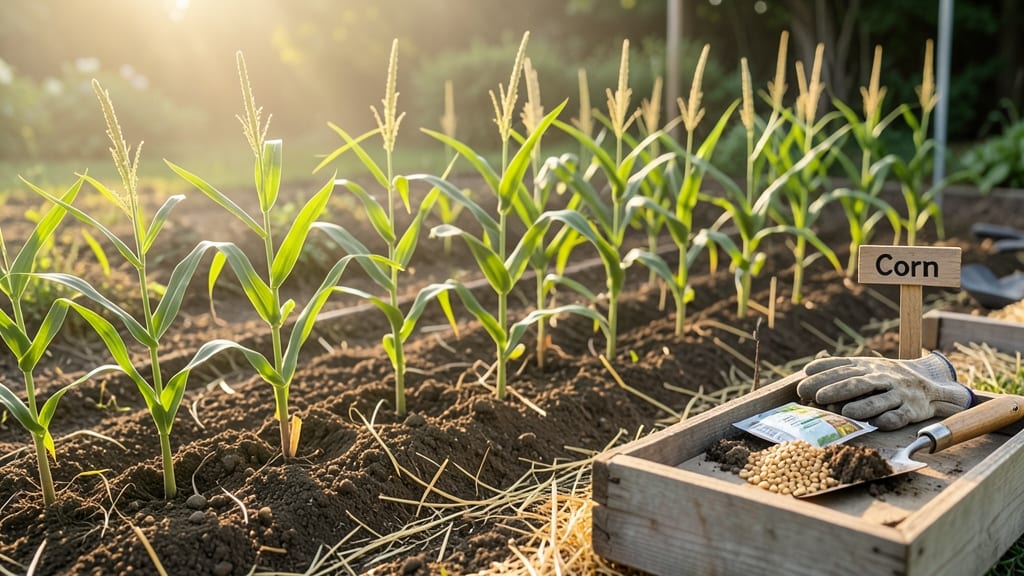
Timing your corn planting in Zone 9b isn't just about the calendar—it's about outsmarting the relentless desert sun and heat. One wrong move, and your 🌽 could bolt too fast or wilt under 110°F soil temps, leaving you with nothing but frustration.
Most gardeners in Phoenix or Southern California deserts assume corn won't thrive here, but with the right heat-resistant varieties and precise planting dates, you can grow sweet, plump ears that rival any Midwest harvest.
The key? Starting seeds when soil temps hit 60°F—usually late February to early March—but knowing exactly how to adjust for your microclimate makes all the difference.
I've tested the best strategies for Zone 9b corn, from using black plastic mulch to speed up soil warming to choosing fast-maturing varieties that avoid summer's brutal peak.
Whether you're a first-time gardener or a seasoned pro, these insights will help you plan your planting window for maximum success—and avoid the common mistakes that sabotage crops.
Ready to grow corn that actually survives the heat? Let's dive into the exact dates, variety recommendations, and pro tips that'll have you harvesting golden ears by May or June. Your desert garden is about to get a whole lot sweeter.

Best planting dates for corn in Zone 9b: exact timelines & heat tolerance rules
In Zone 9b, where summer temperatures can soar above 100°F, timing your corn planting is everything. Unlike cooler climates, you can't rely on spring frost dates—your focus must be on soil temperature and heat tolerance.
Plant too early, and your seedlings will bolt; too late, and the intense summer sun will stunt growth before harvest.
Corn thrives when soil temperatures stay between 60°F and 90°F. In Zone 9b, this typically aligns with late February to early April, but exact dates depend on your microclimate.
High desert areas (like Yuma, AZ) may start earlier, while coastal zones (like San Diego) can extend planting into May for a fall harvest.
Here’s the golden rule: Aim to harvest before June 15 to avoid the worst of the summer heat. This means planting 80-90 day varieties by mid-March for a late spring harvest, or fast-maturing 60-day varieties by early May for a fall crop.
🌱
If you're in a high desert area (e.g., Phoenix), start seeds indoors in January to transplant outdoors by mid-February. For coastal Zone 9b (e.g., San Diego), you can push planting into April but prioritize shade cloth during peak afternoon sun to protect young plants.
Pro tip: Use a soil thermometer to confirm temperatures—corn seeds won’t germinate below 50°F, and soil that’s too hot (>95°F) can cause poor emergence. In Zone 9b, black plastic mulch raises soil temps by 5-10°F, giving you a 2-3 week head start on planting.
For succession planting, stagger seeds every 2 weeks from February to April. This ensures a continuous harvest and reduces the risk of losing your entire crop to heat stress. Pair this with drought-tolerant varieties (like 'Peaches and Cream') to maximize your chances of success.
💧
One common mistake in Zone 9b is assuming you can plant corn in summer. While some heat-tolerant varieties (like 'Golden Bantam') can handle 90°F+, growth slows dramatically, and ears may develop hard, starchy kernels instead of sweet, milky ones.
If you’re set on a summer crop, focus on shade protection and drip irrigation to keep roots cool.
Finally, monitor your local microclimate. Urban areas with heat islands (like downtown Phoenix) may need to plant 1-2 weeks earlier than rural zones. Adjust your timeline based on 3-year averages of your specific location’s last spring heatwave.
Best planting dates for corn in Zone 9b: exact timelines & heat tolerance rules
Zone 9b's extreme heat makes timing critical for corn success. Unlike cooler zones, you can't just plant in spring—you must align sowing with soil warmth and heat-resistant varieties. The ideal window is mid-February to early April, when daytime temps hover around 70-80°F but nights stay above 55°F.
Corn seeds need soil temperatures of at least 60°F to germinate, but 65°F+ speeds up growth. In Phoenix, this typically happens by late February, while coastal Zone 9b areas (like San Diego) may wait until early March.
Use a soil thermometer to confirm—planting too early in cold soil leads to rot.
Here’s your Zone 9b corn planting timeline broken down by phase:
| Stage | Action | Ideal Timeframe | Zone 9b Notes |
|---|---|---|---|
| Soil Prep | Test pH (6.0-7.0), add compost | January-February | Use black plastic mulch to warm soil faster |
| Sowing | Direct seeds 1" deep, 12" apart | Mid-February to early April | Avoid planting after April 15—heat stress sets in |
| Germination | Keep soil moist (not soggy) | 7-14 days | Use shade cloth if temps exceed 90°F |
| Thinning | Leave strongest plants 12-18" apart | 3-4 weeks post-sowing | Thin to 3-4 plants per hill for best ear development |
| Harvest | Pick when silks brown, kernels milky | May-July (60-90 days after sowing) | Morning harvest prevents kernel drying |
For succession planting, stagger sowings every 2 weeks until early April to extend harvests. In Zone 9b, fall planting is risky—corn needs 90-120 days to mature, and days shorten rapidly after September. If you attempt it, use fast-maturing varieties (under 70 days) and start by mid-August.
Pro tip: Monitor the National Weather Service for heat advisories. If temps hit 100°F+ during pollination (when silks appear), hand-pollinate by transferring pollen with a paintbrush to ensure fertilization. Corn is heat-sensitive during tasseling—this is your last chance to salvage a crop if summer arrives early.
Remember: Soil temperature > air temperature in Zone 9b. Use row covers at night in March to maintain warmth, but remove them by April 1st to prevent overheating. The goal? Balanced heat—not scorching.