
Plants
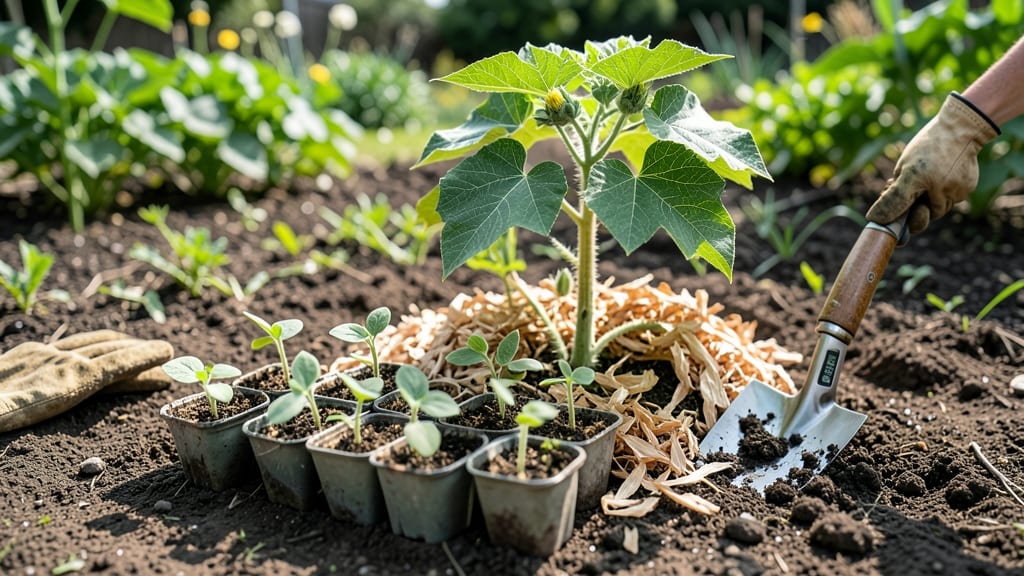
Timing your 🧵 cotton planting in North Carolina could mean the difference between a thriving crop and a total loss—especially when heat waves and unpredictable frosts play spoiler.
The April 15 to May 15 window isn’t just a suggestion; it’s your golden ticket to avoiding premature bolting (when cotton flowers too early) or frost damage that stunts growth.
Here’s the catch: North Carolina’s 7a-8b zones have wildly different microclimates, from the slower-warming Piedmont to the Coastal Plain’s earlier soil warmth. Plant too early in the mountains, and you risk a late frost; wait too long in the Coastal Plain, and you might trigger bolting before the bolls mature.
I’ll break down the exact soil temperature triggers (60°F+ for seeds), the best heat-tolerant varieties for your region, and how to adjust for drought or heat spikes.
Whether you’re a first-time grower or a seasoned farmer, these insights will help you align your planting with NC’s 210 frost-free days—so you’re harvesting fluffy bolls from September to October instead of empty fields.
Ready to ditch the guesswork? Let’s dive into the science-backed planting calendar that keeps your cotton thriving—no matter where in the state you’re growing.
North Carolina cotton planting zones & heat-tolerant variety timing guide
North Carolina’s diverse climate—from the Coastal Plain’s humidity to the Piedmont’s cooler nights—means cotton planting dates vary dramatically. The last spring frost (typically late March to early April) signals the start of your window, but soil temperature is the real game-changer.
Cotton thrives when soil hits 80°F+, which usually occurs by mid-April in the Coastal Plain and late April in the Mountains.
Choosing the right heat-tolerant variety is just as critical as timing. Varieties like Deltapine 1675 and Stoneville 506 are bred to handle NC’s 90°F+ summers without premature bolting. These varieties also resist verticillium wilt, a common NC soil-borne disease.
For home growers, Upland cotton varieties are the easiest to source and adapt well to smaller plots.
Direct sowing is preferred for cotton in NC, as seedlings hate transplant shock. If you’re using transplants, harden them off for 10-14 days before setting them out. The key is planting when your soil temperature consistently stays above 60°F—use a soil thermometer to avoid guesswork.
In the Mountains (USDA Zone 7a), this might mean waiting until May 1, while the Coastal Plain (Zone 8a/b) can start as early as April 15.
🌱 North Carolina Cotton Planting Guide by Zone
| Zone & Region | Ideal Planting Window | Soil Temp Requirement | Recommended Varieties | Key Risk |
|---|---|---|---|---|
| Coastal Plain (Zone 8a/b) | April 15 - May 1 | 80°F+ (consistent) | Deltapine 1675, Stoneville 506 | Fungal diseases (high humidity) |
| Piedmont (Zone 7b) | April 25 - May 10 | 75°F+ (minimum) | Upland varieties (e.g., Paymaster HS 26) | Late-season heat stress |
| Mountains (Zone 7a) | May 1 - May 15 | 70°F+ (slow start) | Early-maturing types (e.g., Coker 315) | Short growing season |
For home gardeners in the Coastal Plain, aim to plant by April 30 to ensure bolls mature before the first fall frost (typically mid-November). In the Piedmont, extend your window to May 10 to avoid premature bolting from sudden heat spikes.
The Mountains have the shortest window—plant by May 15 or risk immature harvests.
NC State Extension recommends using black plastic mulch to warm soil faster in cooler zones. This can shave 7-10 days off your planting timeline by raising soil temperatures by 5-10°F.
Just be sure to remove it before flowering to prevent root overheating. Alternatively, use straw mulch to retain moisture in sandy Coastal Plain soils.
If you’re growing cotton for fiber production (not just seeds), prioritize longer-season varieties like Deltapine 1675, which can handle NC’s 100°F+ heat waves better than shorter varieties. These types also produce higher-quality lint, which is crucial if you’re spinning or weaving.
For seed-only harvests, Stoneville 506 is a solid choice with 80-90 days to maturity.
Pro tip: Monitor Growing Degree Days (GDD) using the NC State Climate Tool. Cotton needs 2,000-2,500 GDDs from planting to harvest. In the Coastal Plain, this typically translates to a 150-day growing season, while the Piedmont might only get 13
5 Critical factors that determine your cotton planting date in NC
North Carolina’s frost risk is the first factor to lock in your planting date. The last spring freeze typically hits March 15 in the Piedmont and March 1 in the Coastal Plain, but microclimates can shift this by weeks.
Always wait until two weeks after your region’s average last frost—so if you’re in Zone 7a, aim for April 1 or later.
Soil temperature is non-negotiable for cotton seeds. They won’t germinate until the soil reaches 60°F, but for optimal growth, shoot for 80°F+. In the Coastal Plain, this happens by mid-April, while the Mountains may need to wait until late May.
Use a soil thermometer to avoid guessing—cold soils delay germination and invite rot.
🌡️ Key Soil Temperature Triggers for NC Cotton
| Stage | Soil Temp (°F) | Action |
|---|---|---|
| Seed Germination | 60°F+ | Plant seeds |
| Optimal Growth | 80°F+ | Thin seedlings |
| Flowering/Bolting | 75°F+ | Monitor water/heat stress |
Heat accumulation, measured in Growing Degree Days (GDD), tells you when your cotton is ready to bolt. North Carolina’s Deltapine 1675 variety needs 2,500–3,000 GDD from planting to harvest.
Use the NC State Extension’s GDD calculator to track progress—planting too early in the Piedmont might push you over this threshold by July, triggering premature bolting.
Drought risk is another silent date-changer. Cotton’s flowering stage (60–90 days after planting) is drought-sensitive. If your region faces June heat waves (common in the Coastal Plain), delay planting by 1–2 weeks to align flowering with summer rains.
Mulch heavily to retain moisture—drought stress reduces fiber quality by up to 30%.
Finally, choose your cotton variety based on your zone. Stoneville 506 thrives in the Coastal Plain’s heat, while FM 966 tolerates the Piedmont’s shorter season.
Check the NC Agricultural Research Service for variety trials in your county—some strains bolt 10 days earlier than others, shifting your ideal planting window by weeks.
Pro tip: Bookmark the NC Climate Office’s frost/freeze maps and set calendar reminders for your local last frost date. Combine this with soil temp data, and you’ll nail your planting date—no more frost-killed seedlings or bolting disasters. 🌱