
Plants
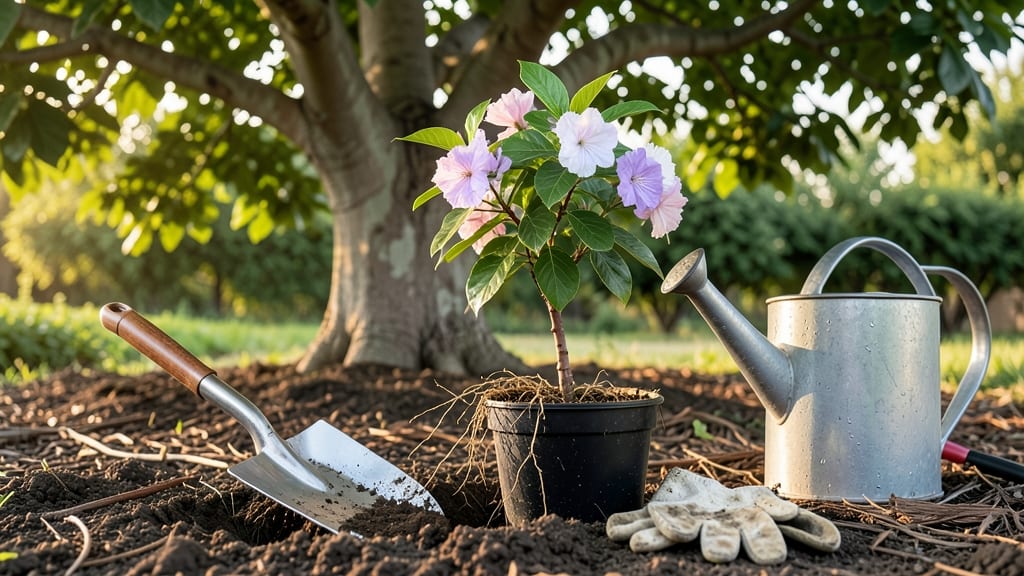
Timing your crape myrtle 🌸 planting in Texas can make the difference between a thriving landscape star and a sad, struggling shrub. The right window isn't just about the calendar—it's about avoiding frost damage in North Texas or heat stress in the Rio Grande Valley.
I've seen too many gardeners rush planting because they missed the ideal 60-day window before last frost. Whether you're in Zone 8a or 10a, knowing when to plant crape myrtle means healthier roots and bigger blooms.
In this guide, I'll break down the exact months that work best for your region, plus pro tips for soil prep and transplanting. No more guessing—just vibrant, long-lasting crape myrtles that become the centerpiece of your Texas yard.
Ready to plant with confidence? Let's dive into the perfect timing that keeps your 🌸 happy all season long.
Texas crape myrtle planting zones: chill-hours vs. heat tolerance explained
Texas spans USDA zones 8a-10a, but crape myrtles thrive best when planted within their chill-hour requirements. Most varieties need 300-1,200 chill-hours (5-10°F temps) to bloom reliably.
In North Texas (zones 8a-7b), chill-hours are plentiful, while South Texas (zones 9a-10a) often falls short—meaning some varieties may struggle to flower without adjustments.
For example, 'Natchez' (white blooms) handles 500-800 chill-hours, perfect for Central Texas, while 'Tonto' (red blooms) needs 1,000+ chill-hours, making it ideal for North Texas. South Texas gardeners often choose heat-tolerant varieties like 'Arapaho' or 'Zuni', which bloom with fewer chill-hours.
Your last frost date is your planting deadline’s anchor. In North Texas, aim for 60 days before the average last frost (Feb 15-March 15). In South Texas, plant Jan 15-Feb 15 to avoid summer heat stress.
Fall planting (Sept-Oct) is also ideal—roots establish before winter, and blooms appear earlier the next spring.
Here’s how Texas regions break down:
Pro tip: Use a degree-day calculator (like the one from Texas A&M AgriLife) to fine-tune your planting date. Input your zip code and the tool will show your local frost-free window—critical for avoiding root shock in Texas’ unpredictable spring weather.
Soil prep matters just as much as timing. Crape myrtles hate wet feet, so amend heavy clay soil with compost or sand to improve drainage. A slightly acidic to neutral pH (6.0-7.0) ensures nutrient uptake.
In East Texas, watch for black walnut toxicity—avoid planting near these trees, as their roots release juglone, a natural herbicide.
Container planting is a smart hack for colder microclimates (e.g., Hill Country) or urban areas with heat islands. Use large pots (15+ gallons) and move them to shadier spots in summer to prevent heat stress. Just remember: container-grown crape myrtles need daily watering in Texas summers.
Finally, mulch 3-4 inches deep with pine straw or wood chips to retain moisture and regulate soil temps. In drought-prone West Texas, mulch also protects roots from extreme heat fluctuations—a game-changer for survival.
Timing your crape myrtle planting right means vibrant blooms for decades, not wilting disappointment. Pick the right variety for your chill-hour zone, prep your soil, and plant within that 60-day frost window—your future shade tree (and summer color show) will thank you.
Step-by-step planting timeline: Texas regions from Panhandle to Rio Grande Valley
Texas stretches from the Panhandle's freezing winters to the Rio Grande Valley's mild climate, so your crape myrtle planting timeline must adapt. The key is planting when soil temps hit 60°F—this gives roots time to establish before summer heat arrives.
In North Texas, aim for late February to March, while South Texas gardeners can start as early as January.
Fall planting (September-October) works too, giving roots a head start before winter dormancy. Just avoid planting in summer heat—those young roots will cook before they can grow. I’ve seen gardeners in San Antonio plant in November and watch their crape myrtles explode with blooms the next spring.
Here’s your region-specific planting timeline with actionable steps:
Plant February 20-March 15 after last frost (avg. Feb 15). Use black plastic mulch to warm soil faster.
Plant March 1-April 15. Amend clay soil with compost to improve drainage.
Plant January 15-February 28. Choose drought-tolerant varieties like 'Tonto' for heat resistance.
Water deeply 2x/week for first month, then taper. Apply 2-3 inches of mulch to retain moisture.
For microclimates, like the Hill Country's rocky soil or the Gulf Coast's humidity, adjust by 2-4 weeks. Use a degree-day calculator (like AgriMet) to track soil warmth—plant when it hits 250 degree-days above 32°F. This method works even better than following a calendar.
Pro tip: If you’re in East Texas, watch for black walnut toxicity—these trees release juglone, which stunts crape myrtle growth. Plant at least 50 feet away or use a root barrier. I’ve lost count of how many gardeners ignored this and ended up replanting!
Timing your crape myrtle just right means bigger blooms, stronger stems, and a plant that thrives through Texas’ extremes. Follow this timeline, and you’ll have a showstopping landscape feature in no time. 🌸