
Plants
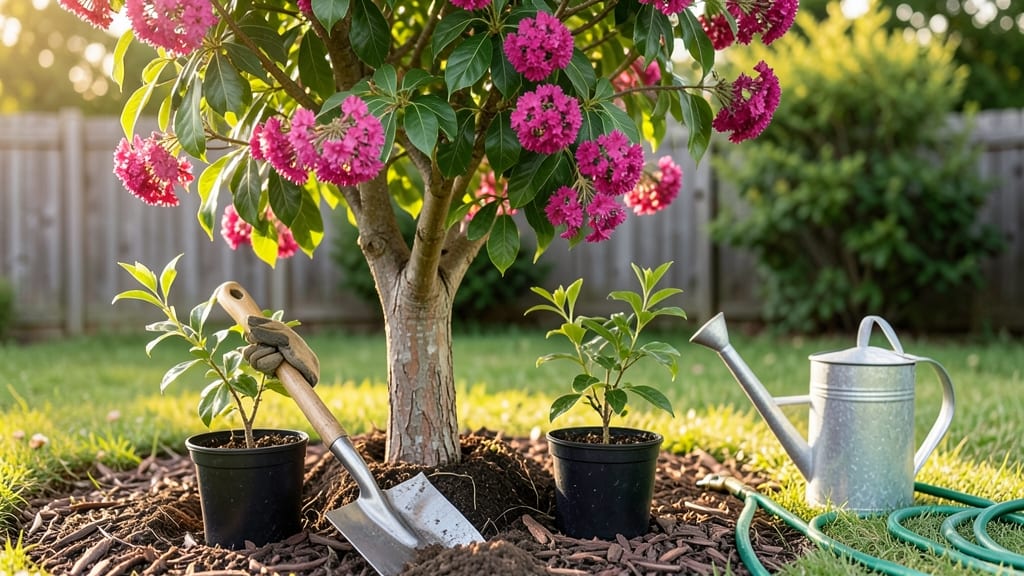
Planting crape myrtles at the wrong time in Oklahoma can turn your dream shrub into a struggling survivor. The 6b-8a zones here demand precise timing—too early, and frost zaps young roots; too late, and summer heat stresses them before they take hold.
Most gardeners in Oklahoma swear by two windows: late March through May or September to October. But why? The key is giving your 🌸 crape myrtle time to establish roots before Oklahoma’s unpredictable heat or cold sets in.
Fall planting, especially in September, often yields stronger growth because cooler temps reduce stress.
Don’t assume all months work equally—early spring planting (after March 15) gives roots a head start before summer arrives, while fall planting (before November 15) avoids winter dormancy risks. Container-grown crape myrtles offer flexibility, but even they need the right timing to thrive.
Ready to avoid common mistakes? I’ll break down the exact deadlines, soil prep, and seasonal adjustments that make all the difference for Oklahoma’s climate. Let’s get those roots growing strong.
Optimal crape myrtle planting windows in Oklahoma’s Zone 7b: month-by-month deadlines
Oklahoma’s USDA Zone 7b offers two prime windows for planting crape myrtles: early spring and late fall. Each season presents unique advantages, but timing is critical to avoid heat stress or frost damage.
Let’s break down the best months, soil temperature thresholds, and how Oklahoma’s unpredictable weather affects your success.
For spring planting, aim for late March to early May—after the last average frost date (typically March 15 in most of Oklahoma). This gives roots 6-8 weeks to establish before summer heat arrives.
Planting too early risks frost damage, while waiting too long exposes young roots to intense heat.
Fall planting is ideal from September to early October. This window allows roots to settle before winter, reducing transplant shock. Oklahoma’s first frost usually hits around November 15, so planting by mid-October ensures roots have 4-6 weeks to harden off before dormancy.
Here’s a quick comparison of your planting options:
| Season | Best Planting Window | Soil Temp Threshold | Key Risk |
|---|---|---|---|
| Spring | Late March – Early May | 50°F+ (10°C+) | Late frost or summer heat stress |
| Fall | September – Early October | 60°F+ (15°C+) | Early frost or insufficient root growth |
Oklahoma’s variable weather patterns can throw off timing. For example, northern Oklahoma (closer to Zone 6b) may experience later last frosts (around April 15), while southern Oklahoma (Zone 8a) can plant as late as May 1 without frost risk.
Always check your local cooperative extension service for precise frost dates.
If you miss the ideal windows, container-grown crape myrtles offer flexibility—they can be planted year-round except during extreme heat (above 95°F) or freezing temperatures. However, bare-root plants require precise timing to thrive.
Pro tip: Use a soil thermometer to confirm soil temperatures meet the 50°F+ threshold for spring or 60°F+ for fall. Cool, damp soil slows root growth, while warm soil accelerates it—critical for Oklahoma’s clay-heavy soils that can bake hard in summer.
Once you’ve nailed the timing, focus on root establishment. Crape myrtles need 6-8 weeks to adapt to their new home. Mulching with 2-3 inches of organic mulch (like shredded bark) helps retain moisture and regulate soil temperature during Oklahoma’s hot summers and chilly winters.
For maximum blooms, prioritize planting in September. Trees planted in fall often outperform spring-planted ones because they enter dormancy with a stronger root system, ready to burst into color the following spring. Just be sure to water deeply once a week until the ground freezes.
Remember: Oklahoma’s microclimates matter. Urban areas like Oklahoma City may have warmer microclimates than rural zones, while western Oklahoma can experience earlier freezes. Adjust your planting window by 1-2 weeks based on your specific location within the state.
3 Key factors that determine the best planting time for crape myrtles in Oklahoma
Oklahoma’s USDA Zone 7b climate presents unique challenges for crape myrtle planting, where timing isn’t just about avoiding frost—it’s about understanding how soil temperatures, heat waves, and early freezes interact with your tree’s biology.
I’ve planted crape myrtles in both spring and fall here, and these three factors make all the difference in root establishment and long-term health.
First, soil temperature is critical. Crape myrtles need soil to warm to 60°F (15°C) before planting—any earlier, and roots struggle to establish. In Oklahoma, this typically happens by mid-April in most regions, but northern areas may wait until late April or early May.
Fall planting works best when soil cools to 50-60°F (10-15°C), usually by mid-September.
- Soil Temp: 60°F+ for spring, 50-60°F for fall
- Heat Waves: Avoid planting during 90°F+ spells
- Frost Risk: Plant 6-8 weeks before first frost
Second, Oklahoma’s unpredictable heat waves can stress young crape myrtles. Planting in late spring (May-June) risks exposing tender roots to 90°F+ soil temperatures, which can cause root burn. I’ve seen container-grown crape myrtles planted in June wilt within weeks—always opt for early spring (March-April) or late summer (August-September) instead.
Third, the 6-8 week window before first frost is non-negotiable for fall planting. In Oklahoma’s Zone 7b, this means aiming for mid-September to early October. Planting too late leaves roots vulnerable to early November freezes, while planting too early (August) risks summer drought stress.
I once planted mine in early August and lost half the roots to heat—never again!
For container-grown crape myrtles, timing is more flexible, but still avoid extreme heat (above 95°F) or frost periods. These adaptable plants can handle year-round planting in Oklahoma’s milder microclimates, but always acclimate them gradually to outdoor conditions to prevent transplant shock.
Remember: Root establishment is the #1 priority. Whether you plant in spring or fall, give your crape myrtle 4-6 weeks of consistent moisture before letting nature take its course. In Oklahoma’s dry climate, this means deep watering 2-3 times per week for newly planted trees—don’t skimp on hydration!