
Plants
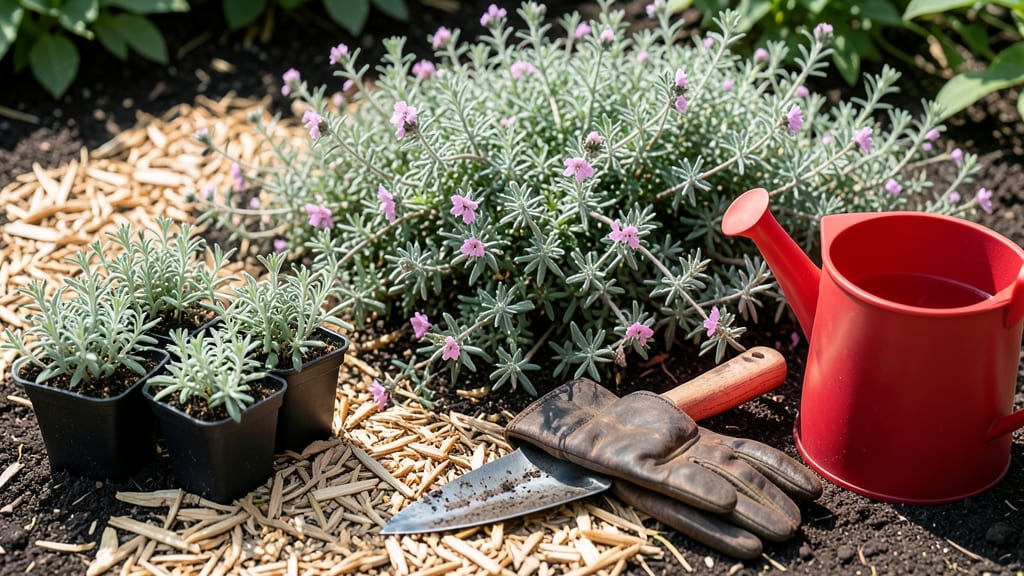
Timing your creeping thyme planting in Colorado isn't just about the calendar—it's about beating the last frost while giving your 🌿 hardy ground cover the best shot at thriving.
With Colorado's USDA Zones 5-7 swinging between chilly springs and early falls, planting too soon risks frost damage, while waiting too long might leave your garden bare.
Most gardeners in the Centennial State swear by early spring or early fall as the sweet spot, but here's the catch: soil temperature matters more than dates.
Aim for when the ground warms to at least 50°F, typically after mid-April in most areas—though high-altitude spots like Boulder might need to wait until early May.
This isn't just about throwing seeds in the dirt and hoping for the best. I'll walk you through exactly when to plant based on your specific elevation, how to tell your soil is ready, and what to watch for in those first critical weeks after planting.
Whether you're creating a fragrant herb border or a drought-resistant ground cover, getting this timing right means the difference between lush, aromatic thyme and a sad, struggling patch. Let's make sure yours takes root for good.
Optimal planting windows for creeping thyme in Colorado’s climate zones
Colorado’s diverse microclimates mean your creeping thyme’s planting window depends heavily on elevation and USDA hardiness zone. Most of the state falls in zones 5-7, but high-altitude areas like Boulder or Steamboat Springs (zone 5) have later frost dates than Denver or Colorado Springs (zone 6-7).
Aim to plant when soil temps hit 50°F—a reliable rule for frost-sensitive creeping thyme.
In low-elevation zones (6-7), like the Front Range, your best window is mid-April to early May for spring planting. For high-altitude zones (5), wait until late May to early June—after the last frost, which often lingers until June 10 in mountain regions.
Fall planting is also ideal in September to early October, giving roots time to establish before winter.
To pinpoint your exact frost dates, check the Colorado Climate Center’s frost maps or use local CoCoRaHS weather stations. For example, Denver’s last frost averages April 20, while Grand Junction’s is April 5.
Planting too early risks frost damage to tender new growth, while waiting too long may stress your thyme in summer heat.
Creeping thyme thrives in Colorado’s dry, sunny conditions, but timing matters. If you plant in late spring (June), prioritize morning watering to help roots establish before summer drought. For fall planting, choose September over October to avoid early frost risks.
| Zone | Spring Planting Window | Fall Planting Window | Soil Temp Requirement | Key Risk |
|---|---|---|---|---|
| 5 (High Altitude: Steamboat, Leadville) | Late May–Early June | Mid-September | 50°F+ | Late frost |
| 6 (Denver, Fort Collins) | Mid-April–Early May | Late September–Early October | 50°F+ | Spring rain |
| 7 (Colorado Springs, Pueblo) | Early April–Mid-April | October | 50°F+ | Summer drought |
If you’re in a transition zone (e.g., Boulder’s foothills), err on the side of late planting. Monitor your garden’s microclimate: sunny slopes warm faster than shaded valleys. For container planting, you can push spring planting 2-3 weeks earlier since pots warm up quicker.
Pro tip: Test soil temperature with a soil thermometer before planting. Creeping thyme roots struggle below 50°F, even if air temps are mild. In clay-heavy soils (common in Denver), amend with sand or grit to improve drainage—creeping thyme hates soggy roots.
For high-altitude gardens, consider starter plants instead of seeds. Seedlings give you a head start on the short growing season. Place them in protected spots (like near a south-facing wall) to extend the season and shield from late spring winds.
Once planted, mulch lightly with gravel or straw to retain moisture without suffocating the plant. Creeping thyme’s drought tolerance kicks in after 4-6 weeks, but early care makes all the difference in Colorado’s dry, windy springs.
Remember: Fall planting is often underrated but ideal. By September 15, thyme has 6-8 weeks to establish roots before winter. Avoid planting after October 1—roots won’t harden off in time for first frost.
Optimal planting windows for creeping thyme in Colorado’s climate zones
Colorado’s USDA Hardiness Zones 5-7 create unique challenges for planting creeping thyme. High-altitude areas like Denver (Zone 5) face later frost dates than Colorado Springs (Zone 6-7).
To succeed, time your planting after the last spring frost, typically mid-April to early May, but adjust for elevation—mountain regions may wait until late May.
Fall planting is equally viable in Colorado, with September to early October ideal. This gives creeping thyme’s roots time to establish before winter dormancy. Avoid planting in November or later, as young plants may not survive Colorado’s early frosts.
For container gardening, extend your window by 2-3 weeks earlier or later, thanks to controlled environments.
| Zone | Last Frost Date | Spring Planting Window | Fall Planting Window |
|---|---|---|---|
| 5 (Denver, Fort Collins) | Mid-May | Late April - Early May | Early Sept - Mid-Oct |
| 6 (Colorado Springs, Pueblo) | Early May | Mid-April - Early May | Late Aug - Early Nov |
| 7 (Grand Junction, Alamosa) | Late April | March - Early May | Sept - Mid-Nov |
Microclimates play a crucial role in Colorado. South-facing slopes warm up faster, allowing earlier planting, while valley floors may hold frost longer. Use a soil thermometer to confirm 50°F soil temperature—creeping thyme’s ideal starting point.
In high-altitude gardens, opt for hardier varieties like 'Elfin' thyme, which tolerates cooler soils.
Colorado’s dry climate means creeping thyme thrives with minimal intervention once established. However, water deeply after planting to encourage root growth, then reduce frequency. Mulch with gravel or straw to retain moisture and regulate soil temperature, especially in Zone 5 areas where temperature swings are extreme.
For container gardening, Colorado gardeners can plant creeping thyme 2-3 weeks earlier than ground planting. Containers warm up faster in spring and provide better drainage for Colorado’s clay-heavy soils. Choose pots with drainage holes and use a well-draining cactus mix to mimic thyme’s native Mediterranean conditions.
Always monitor local Almanac frost predictions and adjust your timeline accordingly. Colorado’s unpredictable weather patterns mean flexibility is key—if frost threatens after planting, cover young thyme with frost cloth until temperatures stabilize.
With the right timing, your creeping thyme will reward you with fragrant foliage and vibrant blooms all season long. 🌿☀️