
Plants
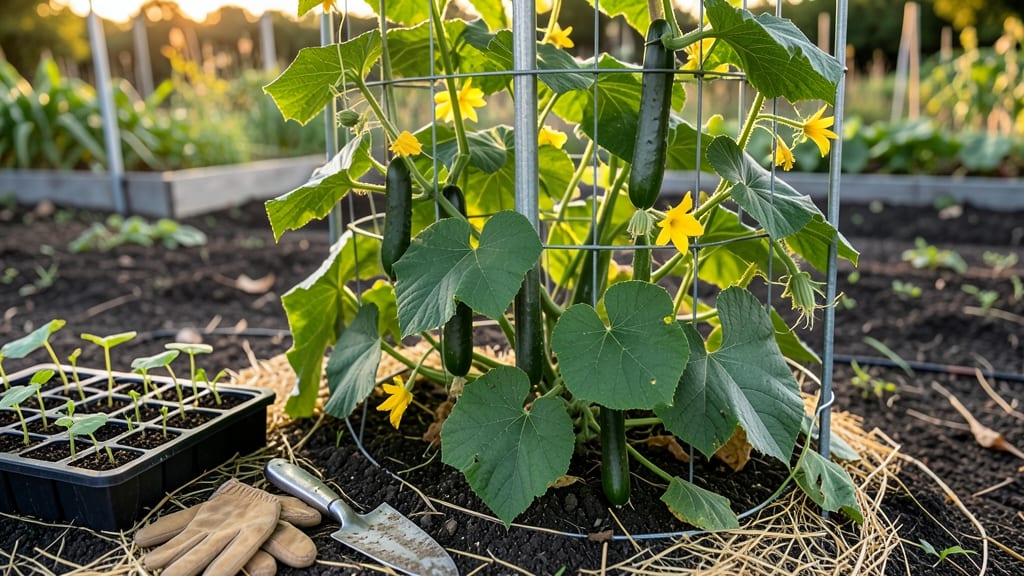
Knowing when to plant cucumbers in Central Florida can mean the difference between a bountiful harvest and wasted effort. The heat here isn’t just intense—it’s relentless, and cucumbers 🥒 need precise timing to thrive.
Plant too early, and your vines might bolt before producing a single fruit; wait too long, and summer’s scorching sun can stress them out before they even get started.
Lucky for you, Central Florida’s Zone 9b climate actually works in your favor if you play it smart. The best windows are February-March for spring plantings and August-September for a fall harvest.
But here’s the kicker: soil temperature matters more than calendar dates. Aim for 60°F or warmer—any cooler, and your seeds will just sit there, waiting for conditions that never come.
In this guide, I’ll break down the exact steps to time your plantings like a pro, including heat-tolerant varieties that won’t wilt in Florida’s summer.
You’ll also learn how to extend your harvest season with simple tricks, so you’re not left scrambling for fresh cucumbers when the grocery store’s prices skyrocket.
Ready to grow cucumbers that actually last? Let’s dive into the optimal planting schedule and pro tips that’ll keep your vines happy—no matter how hot it gets.
Best planting windows for cucumbers in Central Florida’s heat
Central Florida’s Zone 9b climate offers two distinct windows for growing cucumbers—spring and fall—each with unique challenges. The key is planting when soil temperatures stay above 60°F and avoiding the brutal summer heat that causes bolting or poor fruit set.
Let’s break down the optimal times and how to adjust for your specific location, whether you’re in Orlando’s urban heat islands or rural areas with cooler microclimates.
For spring plantings, aim for late February to early March when the risk of frost (January 15) has passed. This gives your cucumbers 6-8 weeks of warm weather before summer’s intensity peaks.
In contrast, fall plantings should occur in August to early September, allowing vines to mature before temperatures drop below 50°F in late fall.
Here’s a quick reference for your planting timeline, including soil temperature triggers and regional adjustments:
| Season | Planting Window | Soil Temp | Key Considerations |
|---|---|---|---|
| Spring | Late February – Early March | 60°F+ | Avoid frost; harvest before summer heat stress. |
| Fall | August – Early September | 65°F+ | Extend season with shade cloth; stop planting by Labor Day. |
| Summer (Risky) | June – July | 70°F+ with mulch | Use black plastic mulch; expect lower yields. |
If you’re in urban Orlando, where pavement absorbs heat, plant 1-2 weeks later than rural areas to avoid overheating. Test soil temperature with a thermometer—it should read 60°F at 4 inches deep for spring plantings and 65°F for fall.
For container gardening, use heat-tolerant varieties and water more frequently, as pots dry out faster in summer.
Direct-sowing is ideal for cucumbers, but if you’re transplanting, harden off seedlings for 7-10 days before setting them out. Space vines 3-4 feet apart in rows 4-5 feet apart to allow airflow and reduce disease risk.
In Central Florida, bush varieties like ‘Bush Champion’ are perfect for small spaces, while vining types need trellises to save space and improve fruit quality.
Watch for heat stress signs like yellowing leaves or wilting even with adequate water. If temperatures exceed 90°F for more than 3 days, provide afternoon shade with 30-50% shade cloth to protect plants.
Mulching with straw or black plastic helps retain moisture and regulate soil temperature, which is critical in Florida’s erratic weather patterns.
For a second harvest, consider succession planting in spring by sowing every 2 weeks until mid-April. In fall, a final planting in early September can yield cucumbers into October before cooler weather sets in.
Just remember: never plant cucumbers in summer without shade or mulch, or you’ll risk bolting and poor fruit development.
Timing your cucumber plantings to align with Central Florida’s two growing seasons ensures a steady supply of fresh, homegrown produce. With the right variety and care, you can enjoy crisp cucumbers from April through November—just avoid the dog days of summer unless you’re prepared for extra heat management.
Best planting windows for cucumbers in Central Florida’s heat
Central Florida’s Zone 9b climate offers two prime windows for growing cucumbers: early spring and late summer. Timing is critical—plant too early, and frost (rare but possible) can damage seedlings; too late, and your vines may wilt under 90°F+ heat.
The key is aligning your planting with soil temperatures and heat tolerance thresholds.
For spring plantings, aim for mid-February to early March when soil warms to 60°F+. This gives vines time to establish roots before summer’s peak heat arrives. Fall plantings should start in late August to avoid the brutal September-October humidity that fuels fungal diseases like powdery mildew.
🌱 Central Florida Cucumber Planting Timeline
| Season | Planting Window | Soil Temp | Heat Risk |
|---|---|---|---|
| Spring | Mid-February – Early March | 60°F+ | Low (early season) |
| Summer | Late August – Early September | 70°F+ | High (use shade cloth) |
Urban gardeners in microclimates (like near bodies of water) can push spring plantings to late January, but rural areas with cooler nights should wait until mid-March. Always test soil with a thermometer—below 55°F slows germination, while above 85°F causes bolting (premature flowering).
Direct-sowing is ideal for cucumbers, but if starting indoors, transplant seedlings after April 15 when nights stay above 55°F. Harden off seedlings for 7-10 days by exposing them to afternoon sun. In summer, use black plastic mulch to raise soil temps by 5-10°F and suppress weeds.
Watch for heat stress signs like yellowing leaves or curled vines—these mean it’s time to provide afternoon shade. Drip irrigation keeps roots cool and consistent, while morning watering prevents fungal spores from thriving in evening humidity.
For a year-round harvest, stagger plantings every 2-3 weeks in spring and fall. Succession planting ensures continuous cucumbers from April through November, even in Florida’s heat.