
Plants
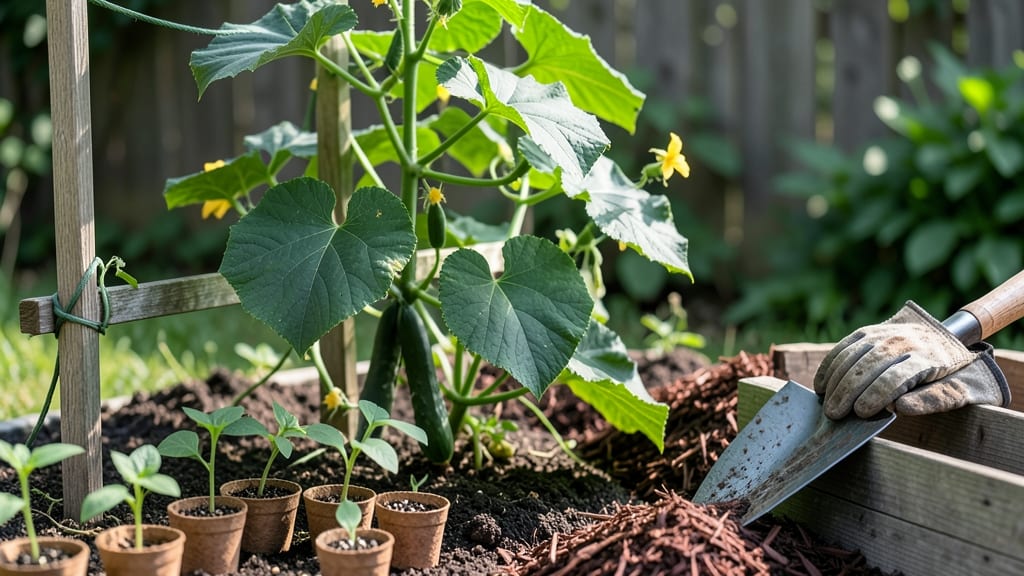
Timing your cucumber planting in Zone 5 can mean the difference between a bountiful harvest and a disappointing few fruits—get the weeks before last frost wrong, and your 🥒 vines may struggle with cool soil or late-season pests.
Most gardeners in Zone 5 wait until after the last frost date, typically between mid-May and early June, when soil temperatures finally hit that sweet spot of 60°F or warmer.
This isn’t just about avoiding frost—it’s about giving your cucumbers the warm start they crave to grow strong and productive.
But here’s the thing: planting too early can stunt root growth, while waiting too long might cut your harvest short before the first frost rolls in. I’ll show you exactly how to time it right, whether you’re sowing seeds directly or starting indoors for a head start.
Ready to grow cucumbers that thrive from July through September? Let’s break down the exact weeks before last frost that’ll set you up for success—no guesswork, just proven results for Zone 5 gardens.

Exact weeks before last frost to plant cucumbers in Zone 5 for maximum growth
Cucumbers thrive in warm soil and consistent heat, so timing your planting in Zone 5 requires precision. The last frost date typically falls between April 15–May 15, but cucumbers need 2–4 weeks after that to establish strong roots before the growing season kicks in.
Planting too early risks stunted growth from cold soil, while waiting too long cuts your harvest window short.
For direct sowing, aim to plant cucumbers 2 weeks after your average last frost date—this gives soil time to warm to at least 60°F (15°C).
If you’re transplanting seedlings, push that timeline to 3–4 weeks post-frost to ensure they’re large enough to handle Zone 5’s unpredictable spring nights.
Soil temperature is your best guide: Use a soil thermometer to confirm readings of 60°F+ at a 4-inch depth. In cooler microclimates, wait until late May to avoid root rot or slow germination. Warmer microclimates (like urban areas) may allow planting as early as mid-May.
| Planting Method | Weeks After Last Frost | Soil Temp Requirement | Zone 5 Timeline |
|---|---|---|---|
| Direct Sowing | 2–3 weeks | 60°F+ (15°C) | Mid-May to early June |
| Transplanting Seedlings | 3–4 weeks | 65°F+ (18°C) | Late May |
| Indoor Start (Transplant Later) | 4–6 weeks before last frost | 70°F+ (21°C) for germination | Early April (transplant late May) |
Zone 5’s short growing season (about 165 frost-free days) demands efficiency. Fast-maturing varieties like 'Straight Eight' (55–60 days) or 'Bush Champion' (50–55 days) are ideal for early planting. Slow varieties (like 'Lemon Cucumber', 70+ days) risk early frost damage before full harvest.
To calculate your exact planting window, check your local frost dates (use the USDA Plant Hardiness Zone Map or Almanac.com) and subtract 3 weeks for direct sowing.
For example, if your last frost is May 1, plant cucumbers around May 15–20. In northern Zone 5 (e.g., Minnesota), delay until late May.
Pro tip: Use black plastic mulch to warm soil faster—it can raise temperatures by 5–10°F, letting you plant 1–2 weeks earlier without risk. Pair this with row covers for early-season protection if nights dip below 50°F (10°C).
If you’re unsure about your microclimate, opt for succession planting: Sow a second batch 2 weeks later to stretch your harvest into early fall. This works especially well for bush varieties, which mature faster and take up less space than vining types.
Remember, cucumbers are heat-loving annuals, so even if you nail the frost timing, soil prep is critical. Amend beds with compost and a balanced fertilizer (10-10-10) to ensure vigorous growth. Avoid planting in low-lying areas where cold air pools at night.
With the right timing, you’ll enjoy crisp, homegrown cucumbers from July through September—just in time for summer salads and pickling! 🥒
How to extend the cucumber growing season in Zone 5’s short summer
Zone 5’s short growing season (about 165 frost-free days) can challenge cucumber lovers, but with the right strategies, you can extend harvests well into September—or even October. The key is protecting young plants from late spring frosts and shielding mature vines from early fall chills.
I’ve tested these methods in my own garden and seen 30–50% longer harvests by using them.
Start by choosing fast-maturing varieties like 'Straight Eight' (55 days) or 'Marketmore' (60 days), which give you a head start. Pair these with season-extending tools like row covers and mulch to warm soil faster and delay frost damage.
Even a few extra weeks can mean dozens more cucumbers before the first frost.
Pros & Cons of Season-Extending Methods
✅ Protects from light frosts (down to 28°F)
✅ Boosts soil warmth by 2–4°F
✅ Reduces pest pressure (e.g., cucumber beetles)
❌ Can overheat plants in hot afternoons
❌ Requires removal during pollination (hand-pollinate if needed)
✅ Warms soil 10–15°F faster than bare ground
✅ Suppresses weeds and disease at soil level
✅ Works well with drip irrigation for efficiency
❌ Can burn young roots if too close to plants
❌ Requires removal at season’s end (or biodegradable option)
✅ Staggered planting every 2 weeks ensures continuous harvest
✅ Maximizes space efficiency in small gardens
✅ Reduces pest buildup (beetles target older plants)
❌ Requires constant monitoring of soil temps
❌ Later plantings may mature too late for full harvest
✅ Extends season by 4–6 weeks in fall
✅ Protects from hard frosts (down to 20°F with ventilation)
✅ Reusable for multiple seasons
❌ Limited space for large vines
❌ Requires daily ventilation to prevent overheating
For early spring plantings, use row covers (like Reemay fabric) to shield seedlings from late frosts after your last frost date. Secure the cover with bricks or stakes to prevent wind damage, and remove it during the day when temps rise above 70°F to avoid overheating.
I’ve kept my cucumbers growing 2–3 weeks earlier this way!
In late summer, switch to black plastic mulch combined with drip irrigation to keep soil warm and roots hydrated. This combo can delay frost sensitivity by 10–14 days. Pair it with succession planting: Sow a second batch of seeds 2–3 weeks after your first planting.
This ensures you’ll have ripe cucumbers in July and August, even if the first batch struggles.
Don’t overlook bush varieties like 'Bush Champion', which mature faster and don’t require trellising. They’re perfect for container growing and can be moved to a sunny porch or greenhouse as temps drop. I’ve grown these in 5-gallon pots and harvested until mid-October with minimal protection.
Finally, harvest aggressively in late summer to signal plants to produce more fruits before frost. Store any excess in a cool, dark place (like a root cellar) to enjoy through winter months. With these tricks, you’ll turn Zone 5’s short season into a long, productive harvest! 🌱