
Plants
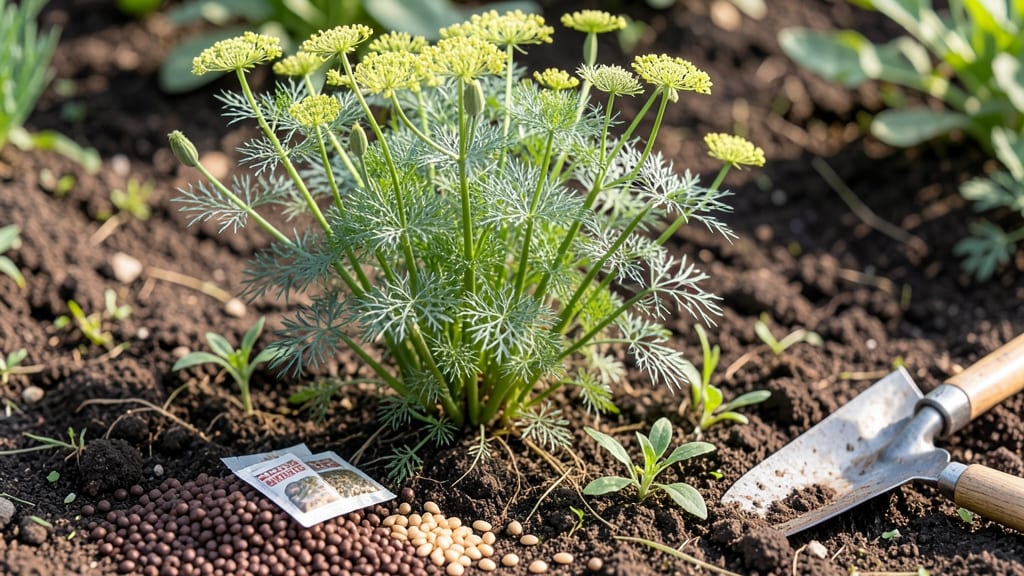
Timing your dill planting in Texas right means the difference between a bountiful harvest and a sad, bolted disappointment. That’s because Texas heat doesn’t play nice with dill’s cool-weather preferences—get it wrong, and you’ll watch your plants race to flower before you even get a sniff of those fragrant leaves.
If you’re in USDA zones 8a-10b, the key is planting when temperatures are mild but the last frost has passed—typically late February to March for spring crops.
But here’s the catch: South Texas’s warmer microclimates can handle earlier plantings, while North Texas gardeners should wait until March to avoid frost surprises.
Want to stretch your harvest? Try a second planting in late summer (August-September) for a fall crop, just as temperatures start cooling.
The trick is keeping dill happy in Texas’s brutal summers—shade cloth, mulch, and consistent watering can make all the difference between a thriving plant and a sad, wilted one.
I’ll show you exactly when to plant, how to protect your dill from bolting, and which varieties actually stand a chance in Texas’s heat. Let’s get growing!
Best planting times for dill in Texas regions (avoid bolting)
Texas’s diverse climate means dill planting times vary dramatically from North to South.
In North Texas (USDA Zones 7b-8a), like Dallas, the last frost typically hits around February 15, while South Texas (Zones 9a-10b), such as Houston, can plant as early as January 15 without frost risk.
Timing is critical—dill bolts (goes to seed) quickly in heat over 85°F, so aim for cooler months.
For spring harvests, plant dill seeds 4-6 weeks before the last frost—usually February to early March in most of Texas.
In Central Texas (Austin area), this window shifts slightly to late February to avoid early heat spikes. Fall planting is your second chance: sow seeds 8-10 weeks before the first frost, typically August to early September.
Dill thrives in cool-season conditions, so avoid planting in summer unless you use shade strategies. Even then, expect bolting within 3-4 weeks once temperatures exceed 90°F. The key is to time your harvest before the plant shifts energy to seeds—usually 60-75 days after sowing in ideal conditions.
🌱
| Region | Spring Planting Window | Fall Planting Window | Last Frost Date | First Frost Date |
|---|---|---|---|---|
| North Texas (Dallas) | Feb 15 - Mar 15 | Aug 15 - Sep 10 | Feb 15 | Dec 1 |
| Central Texas (Austin) | Feb 20 - Mar 10 | Aug 1 - Sep 5 | Feb 20 | Nov 15 |
| South Texas (Houston) | Jan 15 - Feb 28 | Jul 20 - Aug 20 | Jan 15 | Nov 1 |
| West Texas (El Paso) | Mar 1 - Apr 1 | Sep 1 - Sep 20 | Mar 1 | Nov 30 |
In North Texas, where winters can linger, start dill seeds indoors 4-6 weeks before your last frost date. Use grow lights if natural light is limited—dill needs 6+ hours of sunlight daily.
For South Texas, where frost is rare, focus on fall planting to escape summer heat. The 8-10 week window before frost ensures you harvest before temperatures drop.
Microclimates matter: Urban areas like Austin often experience 5-10°F warmer nights than rural zones, accelerating bolting. If your garden is in a heat pocket, opt for shade cloth or container growing to extend the season. Even a 30% shade cloth can lower temperatures by 10°F, buying you extra weeks of harvest.
Pro tip: Direct-sow seeds—dill hates transplanting. Scatter seeds ¼-inch deep in well-draining soil with full sun exposure. Thin seedlings to 12-18 inches apart once they’re 2 inches tall to prevent competition. This spacing also improves air
Best planting times for dill in Texas regions (avoid bolting)
Texas’s diverse climate means dill planting times vary wildly—from North Texas’s chilly winters to South Texas’s scorching summers. To avoid bolting (when dill flowers prematurely), align your schedule with frost-free dates and heat tolerance.
North Texas gardeners should start seeds in late February, while South Texas can begin as early as mid-January.
Dill thrives in cool to warm weather but wilts under 90°F+. The key is planting 6-8 weeks before the first heatwave—typically by early April for most regions. For a fall harvest, sow seeds in late August to enjoy dill before winter sets in.
📌 Pro Tip: Use shade cloth or partial shade if planting in May or June to delay bolting.
🌱 Texas Dill Planting Windows by Region
| Region | Spring Planting | Fall Planting | Last Frost Date |
|---|---|---|---|
| North Texas (USDA 7b-8a) | Late Feb - Early March | Mid-August - Early Sept | Feb 15 - March 1 |
| Central Texas (USDA 8a-8b) | Early March - Mid-March | Late August - Early Sept | Feb 28 - March 15 |
| South Texas (USDA 9a-10b) | Mid-January - Early February | Late July - Early August | Jan 15 - Feb 10 |
For North Texas, aim for March sowing—this gives dill time to mature before summer’s 100°F+ heat. In Central Texas, late February is ideal, while South Texas gardeners can start as early as January to beat the early heat.
Always direct-sow seeds (no transplanting!) for the best results.
If you miss the spring window, don’t despair—fall planting in August-September yields a second harvest before winter. Just be sure to choose heat-tolerant varieties like ‘Bouquet’ or ‘Fernleaf’ to push your luck in hotter zones.
Monitor your local first frost dates (typically November-December in North Texas, October-November in South Texas) to time your final harvest. Dill’s aromatic leaves peak in 60-70 days, so plan accordingly!
🌿 Remember: Dill’s bolting threshold is 80°F+ for prolonged periods. Use mulch and evening watering to keep roots cool during summer’s peak.