
Trees
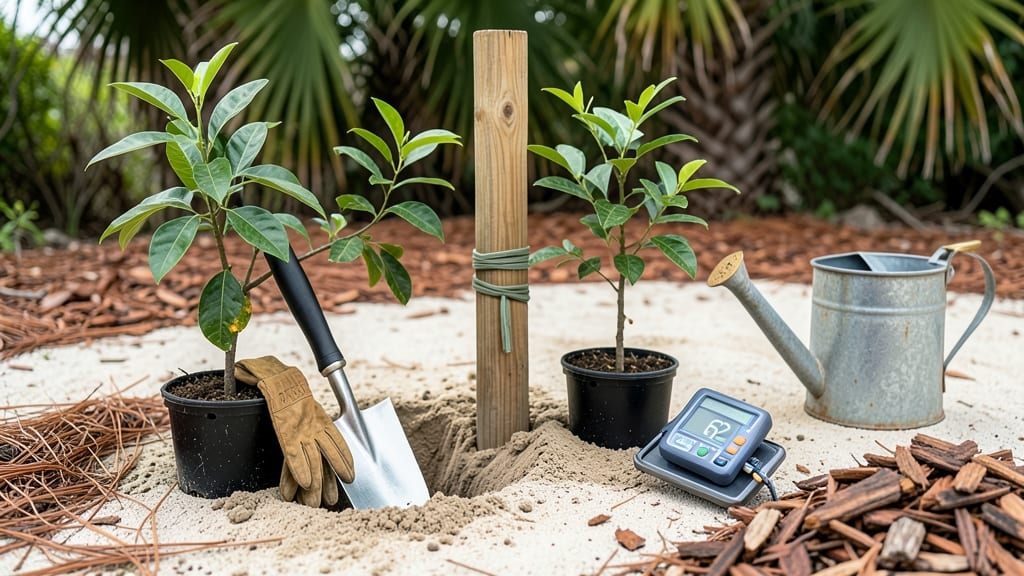
Timing is everything when it comes to planting fruit trees in Florida, where the wrong window could mean struggling saplings or wasted effort.
The state’s warm climate might suggest year-round planting, but late winter to early spring—January through March—offers the perfect balance of cooler temperatures and moisture to help roots establish before summer’s brutal heat arrives.
Think about it: planting in the scorching summer months means battling transplant shock and dehydration, while waiting too long risks stunted growth as temperatures rise. Florida’s USDA Zones 8a-11 give you flexibility, but even in frost-free zones like Miami, the key is avoiding peak heat.
Whether you’re planting citrus, avocados, or mangoes, the right timing ensures your 🍎🍊🍇 trees thrive from day one.
I’ll break down the ideal planting months for your favorite varieties, including how to prep soil and water for success. No more guessing—just proven strategies to set your fruit trees up for a bountiful harvest. Let’s get started.
From container-grown saplings to bare-root transplants, you’ll learn exactly when to dig in for maximum growth and minimal stress. Ready to turn your Florida yard into a fruitful paradise? Let’s make it happen.
Best planting months for Florida fruit trees by variety (citrus, avocado, mango & more)
Florida’s frost-free growing season and humid subtropical climate create perfect conditions for fruit trees—but timing is everything. Unlike northern states, Florida gardeners can plant year-round, but late winter to early spring (January–March) offers the best balance of mild temperatures and soil moisture for root establishment.
South Florida’s warmer microclimate (USDA Zones 10–11) allows for extended planting windows, while North Florida (Zones 8–9) benefits most from winter planting before summer heat arrives.
Citrus trees, like Valencia oranges and Meyer lemons, thrive when planted in January or February, giving roots time to anchor before the summer heatwave. Avocados and mangoes, however, tolerate container planting year-round but establish faster in spring or fall.
Understanding these nuances ensures your fruit trees flourish instead of wilting under Florida’s intense sun.
🌱 Florida Fruit Tree Planting Guide by Variety
| 🌳 Variety | 📅 Best Planting Months | 🌡️ Ideal Soil Temp (°F) | 🌿 Notes |
|---|---|---|---|
| 🍊 Citrus (Oranges, Lemons, Limes) | Jan–Feb (bare-root), Mar–Apr (container) | 60–70°F | Avoid summer planting; citrus hates transplant shock in heat. |
| 🥑 Avocado ('Chookas' or 'Hass') | Feb–Mar (in-ground), Year-round (containers) | 65–75°F | Slow-growing; container-grown trees adapt better to heat. |
| 🥭 Mango ('Cogshall', 'Julie') | Feb–Mar (South FL), Mar–Apr (North FL) | 70–80°F | Needs well-draining soil; avoid waterlogging. |
| 🍇 Figs ('Celeste' or 'Brown Turkey') | Dec–Feb (bare-root), Year-round (containers) | 55–65°F | Fast growers; drought-tolerant once established. |
| 🍉 Pomegranate ('Wonderful') | Jan–Feb (North FL), Feb–Mar (South FL) | 60–70°F | Loves full sun and hot summers. |
North Florida’s cooler winters (Zones 8–9) demand earlier planting to avoid late-spring frosts, which can damage young citrus and avocado trees. For example, 'Valencia' oranges planted in January in Panhandle regions outperform those planted in March, as they establish roots before summer’s brutal heat.
In contrast, South Florida’s Zone 10–11 allows for spring or fall planting, with March–April being ideal for mangoes and avocados.
Container-grown trees offer flexibility for Florida gardeners, letting you plant year-round—but spring or fall still yields the best results. If you’re in Central Florida (Zone 9), aim for February planting to balance root growth and heat avoidance.
Always check your local frost dates (e.g., Orlando’s last frost is around January 15) to time your planting perfectly.
For dwarf varieties (like 'Improved Meyer Lemon'), container planting in early spring works well, even in urban settings. These trees mature faster and produce fruit 1–2 years earlier than standard varieties.
Just ensure your container has drainage holes and use a well-draining potting mix to prevent root rot in Florida’s humid climate.
Pro tip: Acclimate container-grown trees to outdoor conditions 1–2 weeks before planting by placing them in partial shade during the day and bringing them indoors at night if temperatures drop below 50°F. This hardening-off process reduces transplant shock and boosts survival rates.
If you’re planting bare-root trees, do it immediately after purchase to prevent root desiccation. Soak the roots in water for 1–2 hours before planting, and avoid summer planting—the combination of heat and wind stresses young trees, leading to poor establishment.
For container-grown trees, water thoroughly 2–3 days before transplanting to encourage root growth.
Remember, Florida’s microclimates vary drastically. A Jacksonville gardener (
How to time your planting for maximum root establishment before Florida’s summer heat
Florida’s summer heat can turn your newly planted fruit trees into stressed, struggling survivors if you don’t time their arrival just right. The key is giving roots a 3-4 month head start before temperatures consistently hit 90°F+.
This window—roughly January through early April—lets roots establish before the brutal summer sun arrives.
For bare-root trees, this timing is critical. Their delicate roots need cool, moist soil to regenerate before Florida’s dry season (May-October) kicks in. Container-grown trees have more flexibility but still benefit from planting before May 1st, when afternoon temperatures often exceed 95°F.
Planting fruit trees in summer or early fall (June-September) risks transplant shock and root rot from Florida’s intense heat and humidity. Even drought-tolerant varieties like sapodilla or persimmon struggle without proper acclimation.
✅ DO plant in late winter when soil temps stay 65-75°F.
❌ DON’T plant when daytime temps exceed 85°F.
Start by amending your soil 4-6 weeks before planting. Florida’s sandy soils drain too quickly, so mix in 3-4 inches of compost or aged manure to retain moisture. For heavy clay soils (common in North Florida), add peanut hulls or pine bark fines to improve aeration.
A soil test (free through your county extension office) reveals pH needs—most Florida fruit trees thrive at 6.0-7.0.
When planting, dig a hole twice as wide as the root ball but only as deep. This encourages roots to spread horizontally where cooler soil temps reside. For container-grown trees, gently loosen the root ball and trim any circling roots to prevent girdling.
Water deeply before planting to reduce transplant shock, then mulch with 3-4 inches of wood chips to keep roots cool and moist.
After planting, water deeply 2-3 times per week for the first month, then taper to once weekly once roots establish. Avoid overhead watering—use drip irrigation or soaker hoses to keep foliage dry and prevent fungal diseases like anthracnose, which thrives in Florida’s humidity.
Shade cloth (30-50%) can help young trees acclimate if planted in late March or April.
Monitor your trees for signs of stress: wilting leaves, yellowing foliage, or leaf drop all signal heat or water issues. If planted in South Florida, where summers are longer and hotter, consider windbreaks or partial shade during the first growing season.
With the right timing and care, your fruit trees will establish strong roots before Florida’s summer heat arrives in full force.