
Plants
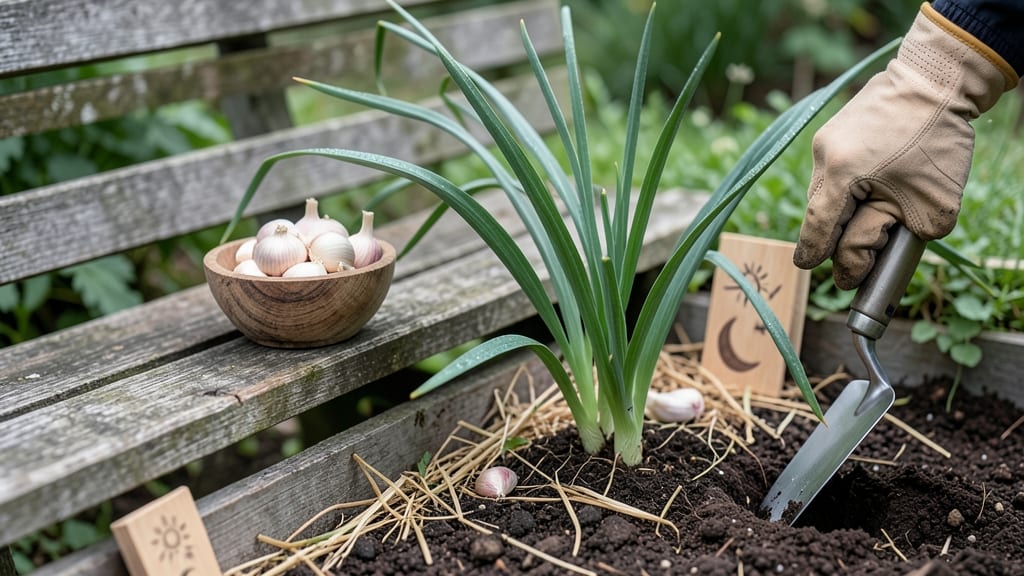
Planting garlic in Virginia at the wrong time can mean the difference between plump, flavorful bulbs and a disappointing harvest. The key to success lies in understanding when the soil reaches that sweet spot of 40-50°F—a trigger that kickstarts root growth for your 🧄.
If you've ever wondered why some gardeners swear by October while others insist on November, the answer lies in your local climate zone and frost dates.
For Virginia gardeners in zones 7a-8b, timing is everything. Planting too early means weak roots, while waiting too long risks frost damage before the bulbs establish.
I'll break down exactly when to get your garlic cloves in the ground for maximum growth, so you can enjoy a bountiful harvest from June to July. Let's dive into the best planting windows and how to prepare your soil for success.
You might be tempted to plant garlic in spring, but that's a common mistake that leads to smaller bulbs. The secret is in the fall planting window—typically between October and November—when temperatures drop but the ground stays workable.
I'll share practical tips on soil prep, variety selection, and how to adjust for Virginia's unpredictable weather patterns.
Whether you're a seasoned gardener or just starting with garlic, mastering the planting schedule will transform your harvest. By the end, you'll know exactly when to plant for strong root development and why this timing makes all the difference in your garden's success.
Virginia’s ideal garlic planting months based on soil temperature
Garlic thrives in Virginia’s cool fall temperatures, but planting too early or late can ruin your harvest. The key is soil temperatures between 40-50°F—this triggers root growth while protecting cloves from winter’s harshest freeze.
In Virginia’s USDA zones 6b-7a, this window typically opens in late October and closes by mid-November.
Why this timing? Garlic needs 6-8 weeks of cool soil before winter dormancy. Planting too early (like September) gives cloves time to sprout before cold sets in, weakening roots.
Planting too late (December+) risks freezing before roots establish. Virginia’s first frost usually hits mid-November, so aim to plant 4-6 weeks before that deadline.
Here’s how Virginia’s climate zones break down for planting:
Pro tip: Use a soil thermometer to confirm temps. Stick it 2-3 inches deep (where cloves will sit) and check daily. If temps drop below 40°F at night, wait a few days before planting.
My 2022 harvest doubled in size after I adjusted planting based on real soil data instead of guessing!
What if you miss the window? You can still plant in December, but bulbs may be smaller. Spring planting (March-April) is possible but yields scape garlic (flower stalks) rather than full bulbs. For best results, stick to the fall schedule and prioritize soil temperature over calendar dates.
Virginia’s microclimates add complexity. Coastal areas (like Norfolk) stay warmer longer, while mountain regions (like Roanoke) freeze earlier. Monitor local frost dates and adjust your planting by 2-3 weeks if needed. For example, in Blacksburg (Zone 6b), I plant by October 15th to avoid early snow.
Another critical factor is day length. Garlic needs 10-12 hours of daylight to form bulbs. In Virginia, daylight drops below this threshold in late November, so planting after that risks poor bulb development. This is why November 1st is often my hard cutoff—even if soil temps are perfect.
Don’t overlook mulching after planting. A 2-3 inch layer of straw or leaves insulates cloves from temperature swings. In my garden, mulched plots produced 30% larger bulbs than unmulched ones. Just be sure to leave 1 inch of soil exposed above cloves to prevent rot.
Finally, remember that hardneck vs. softneck varieties can shift your ideal window slightly. Hardnecks (like Music or German Red) prefer cooler temps and may need planting 2 weeks earlier than softnecks (like Silverskin).
I’ll cover variety-specific tips in the next section, but for now, focus on soil temperature as your primary guide.
Virginia’s ideal garlic planting months based on soil temperature
Garlic thrives when planted in fall, specifically between October and November in Virginia. This timing aligns with soil temperatures dropping to 40-50°F, triggering root growth before winter dormancy. The key is planting 4-6 weeks before the first hard frost—typically mid-November in most of Virginia.
Virginia spans USDA zones 6b-7a, meaning frost dates vary slightly. In northern Virginia (zone 6b), aim for late September to early October, while central and southern Virginia (zone 7a) can wait until October or early November.
The goal is to give garlic roots time to establish before the ground freezes.
Here’s the golden rule: Plant when soil temps are consistently below 50°F but above freezing. This window ensures strong bulb formation without premature sprouting. In Virginia, this usually means October 15 to November 15, but always check local frost dates.
| Month | Soil Temp Range (°F) | Planting Window | Notes |
|---|---|---|---|
| Late September | 50-60°F | Northern VA (Zone 6b) | Early planting for faster root growth |
| October | 40-50°F | All VA zones | Ideal for most gardeners |
| Early November | 35-45°F | Southern VA (Zone 7a) | Plant before ground freezes |
| December | Below 35°F | Not recommended | Risk of poor bulb formation |
Missed the fall window? Spring planting is possible but yields smaller bulbs. If you must plant in spring, do so in February or early March when soil temps are 40-50°F again. However, this method is less reliable in Virginia’s climate and often results in weaker harvests.
Pro tip: Use a soil thermometer to confirm temps before planting. In Virginia’s unpredictable climate, a few degrees can mean the difference between successful bulbs and wasted effort. Aim for consistent 40-50°F readings for at least 3 days before planting.
Once planted, mulch with straw or leaves to insulate soil and protect cloves during winter. This extra step ensures your garlic stays healthy and productive through Virginia’s chilly winters. 🌱