
Plants
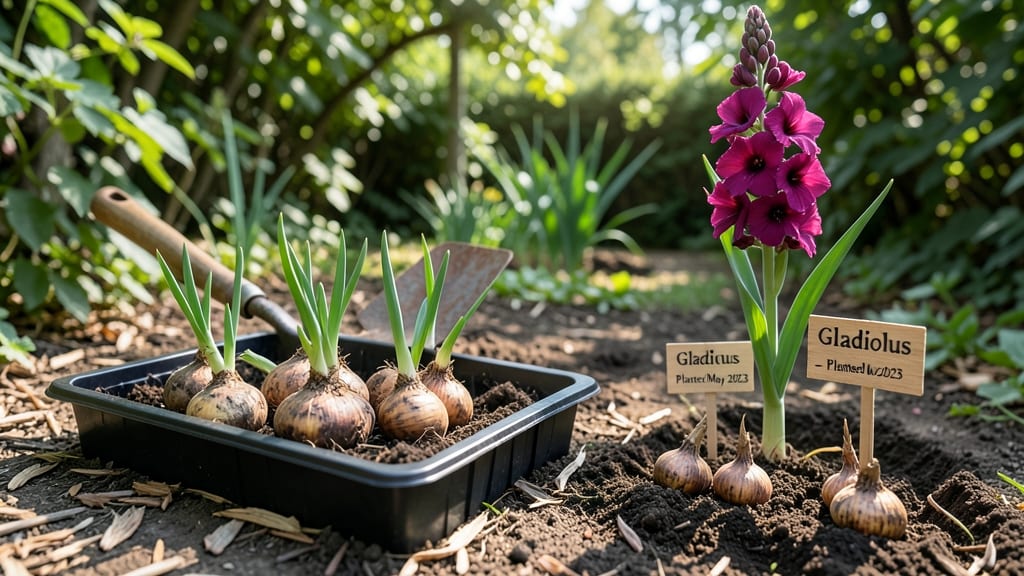
Timing when to plant gladiolus bulbs in Colorado isn’t just about the calendar—it’s about outsmarting the state’s notorious last frost surprises. Plant too early in Zone 5, and a late freeze could turn your bulbs to mush; wait too long, and you’ll miss the July-to-September bloom window entirely.
The key? Knowing your elevation’s frost-free deadline—whether you’re in Denver’s lowlands or the high-altitude foothills.
Most Colorado gardeners aim for late April to mid-May, but that’s a moving target. Denver’s USDA Zone 5-6 averages a last frost around April 15, while Aspen’s Zone 4** can linger until May 10.
The trick is to wait until soil temps hit 60°F—a simple test with a soil thermometer beats guessing.
Here’s what you’ll learn: how to adjust planting dates by 1,000-foot elevation jumps, which soil prep tricks extend your season by 2-3 weeks, and why black plastic mulch is your secret weapon against late frosts. No more missed blooms—just perfectly timed 🌸 displays that steal the show.
Ready to turn Colorado’s unpredictable climate into your advantage? Let’s dive into the exact steps to plant your Gladiolus bulbs without the frost gamble—so you can enjoy those towering spikes from July through September every year.
Colorado gladiolus planting deadlines by USDA Zone (frost-free date guide)
Colorado’s USDA zones 4-8 create a 100-day range in frost-free dates, making gladiolus timing critical. Denver’s Zone 5 averages April 15 for last frost, while high-altitude Zone 4 areas like Steamboat Springs may wait until May 10.
Let’s break down your exact planting window by zone using Colorado State University’s frost data.
For Zone 5 (Denver, Fort Collins), plant gladiolus corms 4-6 weeks before May 15—typically late April. In Zone 6 (Colorado Springs, Pueblo), your window opens 2 weeks earlier, around mid-April.
Meanwhile, Zone 7/8 (Albuquerque, southern Colorado) gardeners can start as early as March 20 in protected microclimates.
Here’s your zone-by-zone planting timeline with last-frost averages and ideal bloom windows:
| USDA Zone | Last Frost Date | Planting Window | Bloom Period | Key Varieties |
|---|---|---|---|---|
| Zone 4 (Steamboat, Leadville) | May 10-20 | May 1-15 | August-September | ‘White Prosperity’, ‘Pink Parfait’ |
| Zone 5 (Denver, Fort Collins) | April 15-30 | Late April | July-August | ‘Black Star’, ‘Green Gauntlet’ |
| Zone 6 (Colorado Springs) | April 1-15 | Mid-April | June-July | ‘Avalanche’, ‘Pink Beauty’ |
| Zone 7 (Albuquerque, southern CO) | March 20-April 5 | Late March | May-June | ‘Navajo’, ‘Picasso’ |
Pro tip: Use Colorado’s frost-free calculators like the Colorado State University AgriMet tool to pinpoint your exact 10-year frost average. For example, Zone 5 Denver saw frost as late as May 5 in 2020, delaying planting by 2 weeks that year.
If you’re in Zone 4 or 5, consider pre-warming bulbs indoors for 4-6 weeks before planting to jumpstart growth. Place corms in a 60°F (15°C) spot (like a sunny windowsill) to mimic spring soil temps and avoid chilling injury.
For Zone 6+ gardeners, early planting pays off—March 20 starts can yield June blooms, perfect for Mother’s Day arrangements. However, avoid planting before soil temps reach 60°F (15°C), or corms may rot. Use a soil thermometer to check 6 inches deep—the ideal depth for gladiolus.
Remember: Gladiolus need 120 frost-free days to bloom. Planting in Zone 5 on May 1 guarantees September flowers, while a June 1 start may only produce small buds before frost. Plan accordingly to maximize your summer-long display.
🌸
Elevation-specific gladiolus planting adjustments (mountain vs. plains)
Colorado’s dramatic elevation shifts—from Denver’s 5,280 feet to Aspen’s 7,900 feet—create microclimates that demand customized gladiolus planting. At higher altitudes, cooler soil temperatures delay growth, while lowland areas risk heat stress if planted too early.
Let’s break down how to adjust your timing and care for mountain vs. plains growing conditions.
Soil temperature is your best guide: gladiolus corms need soil at 60°F or warmer to sprout reliably. In Front Range plains (elevations below 6,000 ft), this typically occurs by mid-April to early May, while mountain foothills (6,000–8,000 ft) may wait until late May. Use a soil thermometer to confirm—planting too soon in cold soil stunts roots and invites rot.
🏔️ Mountain vs. Plains Planting Comparison
| Factor | Front Range Plains (Below 6,000 ft) | Mountain Foothills (6,000–8,000 ft) |
|---|---|---|
| Ideal Planting Window | Late April–early May | Late May–early June |
| Soil Temp Requirement | 60°F (achieved by mid-April) | 60°F (often delayed until June) |
| Microclimate Risks | Urban heat islands (plant early) | Late frosts (wait for stability) |
| Watering Adjustment | Every 5–7 days (drought-prone) | Every 7–10 days (cooler, slower evaporation) |
| Bloom Timing Shift | July–early August | August–September |
For high-elevation gardens, consider early varieties like ‘Picasso’ or ‘Green Star’—they mature faster and tolerate cooler soils. In lowland areas, opt for tall varieties like ‘Black Pearl’ to maximize vertical space and avoid heat stress.
Both regions benefit from mulching (straw or wood chips) to stabilize soil temperatures and retain moisture.
Urban gardeners in Denver or Colorado Springs often face urban heat islands, where pavement raises soil temps by 5–10°F. Plant gladiolus 2 weeks earlier in these zones but monitor for heat stress (wilting, yellowing leaves).
Conversely, mountain gardeners should wait until after Memorial Day to avoid late frosts—check local Almanac frost calendars for your specific town.
If you’re unsure about your elevation’s last-frost date, use Colorado State University’s frost maps or ask your local Cooperative Extension office. They provide hyper-local data that beats generic zone guides.
For example, Fort Collins (4,800 ft) averages its last frost 2 weeks earlier than Boulder (5,400 ft), despite being closer in elevation—microclimates matter!
Pro tip: In Zone 5 (northern Colorado), pre-warm corms by soaking them in lukewarm water (70°F) for 24 hours before planting. This mimics spring soil temps and jumpstarts growth in cooler climates. Pair this with black plastic mulch to raise soil temps by 5–8°F—a game-changer for high-altitude gardeners.
🌿