
Plants
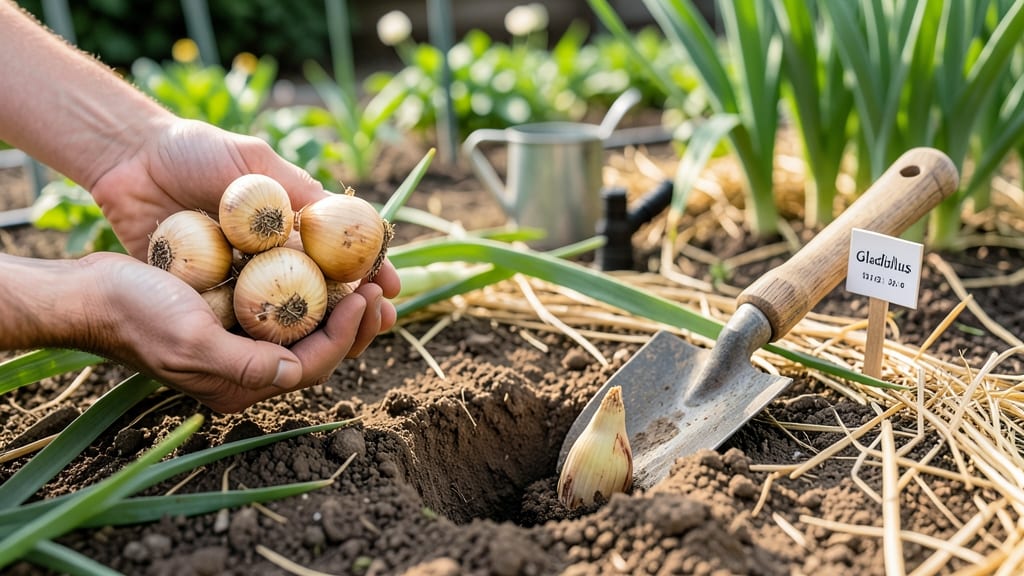
Timing when to plant gladiolus bulbs in Georgia just right could mean the difference between show-stopping 🌸 blooms and wilted disappointment. With Georgia’s 7b-8b climate, planting too early risks frost damage, while waiting too long might delay those dramatic summer spikes you love.
The perfect window for planting gladiolus bulbs in Georgia opens in March through April, when soil temperatures consistently stay above 60°F. This timing aligns with the last frost date (around March 15) and gives your bulbs the head start they need to thrive before Georgia’s intense heat arrives.
But here’s the catch: Georgia’s microclimates vary wildly. Northern regions might need to wait until late April, while southern areas can start as early as February.
We’ll break down exactly how to adjust your planting schedule based on your specific zone to ensure those bold summer blooms make their grand entrance.
Whether you’re a seasoned gardener or just starting out, getting this timing right is the key to maximizing your gladiolus’s potential. Let’s dive into the details so you can enjoy a garden full of color from late summer through fall.
Best planting months for gladiolus in Georgia’s climate zones
Georgia’s climate varies dramatically from the cooler North Georgia mountains to the hotter Southern Piedmont and Coastal Plain. This means your gladiolus planting window should shift based on your location to avoid late frosts or early summer heat stress.
For most of Georgia (USDA zones 7b-8b), the ideal planting window is late March through early April, but adjustments are needed for specific regions.
In Northern Georgia (e.g., Atlanta and the Blue Ridge Mountains), where frosts can linger until mid-April, aim to plant 4-6 weeks before your last frost date. This typically means late February to early March for an early spring display.
Meanwhile, in Southern Georgia (e.g., Savannah and Macon), where frost is rare after mid-March, you can plant as late as early April without risking cold damage.
For fall planting, which is less common but possible for extended blooms, focus on late August to early September. This gives bulbs time to establish roots before Georgia’s first frost (usually mid-November).
Fall-planted gladiolus will bloom the following year, often producing larger, more vibrant flowers due to cooler root development.
Here’s a quick breakdown of your planting zones and ideal timing to maximize blooms:
If you’re unsure about your last frost date, check the Georgia Climate Project or your local Cooperative Extension Service. For example, Athens (Zone 8a) typically has its last frost around March 15, while Savannah (Zone 8b) rarely sees frost after February 15.
Planting too early in warmer zones can lead to premature sprouting and weak stems, while planting too late risks stunted growth before summer heat peaks.
For container gardening, you can extend your planting window slightly. Containers warm up faster in spring, so aim to plant 2-3 weeks earlier than in-ground bulbs.
However, ensure your containers have drainage holes to prevent root rot during Georgia’s humid summers. Use a lightweight potting mix with added perlite to improve aeration.
Soil temperature is another critical factor. Gladiolus bulbs need soil that’s at least 60°F (15°C) to sprout successfully. In cooler North Georgia, wait until soil reaches this temperature—usually late March—before planting. Use a soil thermometer to check; if it’s below 60°F, delay planting to avoid rotting bulbs.
Pro tip: If you’re eager to start early, you can pre-sprout bulbs indoors in late February. Place bulbs in a tray with slightly moist sphagnum moss or perlite and keep them in a bright, warm spot (around 70°F).
Once sprouts are 2-3 inches tall, transplant them outdoors after the last frost. This head start can give you earlier blooms by 1-2 weeks.
Remember, gladiolus are heat-loving plants, and Georgia’s summers provide the perfect environment for them once established. By aligning your planting with your local climate zone, you’ll set the stage for bold, long-lasting blooms from June through October.
Best planting months for gladiolus in Georgia’s climate zones
Georgia’s USDA Zones 7b-8b offer a long growing season, but the exact timing for planting gladiolus bulbs depends on whether you’re in the northern mountains or the hotter southern plains.
In North Georgia (e.g., Atlanta, Blue Ridge), aim for late March to early April, while South Georgia (e.g., Savannah, Macon) can start as early as mid-February to avoid summer heat stress.
The last frost date in Georgia typically falls around March 15, but microclimates can shift this by 1-2 weeks. Planting too early risks frost damage to tender shoots, while waiting too long may delay blooms until late summer—just as temperatures peak.
Soil temperature is your best guide: gladiolus bulbs thrive when soil reaches 60°F (15°C). Use a soil thermometer to confirm readiness—especially in cooler mountain regions where spring lingers.
| Zone | Ideal Planting Window | Key Consideration |
|---|---|---|
| North Georgia (7b) | Late March–Early April | Wait for soil to warm above 60°F; risk of late frosts |
| Central Georgia (8a) | Mid-March–Mid-April | Balanced timing; moderate frost risk |
| South Georgia (8b) | Mid-February–Early March | Early start to beat summer heat; minimal frost threat |
For summer blooms, a second planting in early August works in most of Georgia—just ensure bulbs are in the ground 4-6 weeks before the first frost (typically mid-October). This second batch will bloom in fall, extending your display until November.
In cooler mountain areas, consider container gardening to control soil warmth. Containers heat up faster and let you adjust planting dates if spring dawdles. Just ensure pots have drainage holes to prevent bulb rot in Georgia’s humid summers.
Pro tip: Mark your gladiolus beds with biodegradable flags to avoid accidentally digging up bulbs during summer weeding. These tall, dramatic flowers deserve space—plant them 6 inches apart and 4-6 inches deep for optimal air circulation and bloom strength.