
Plants
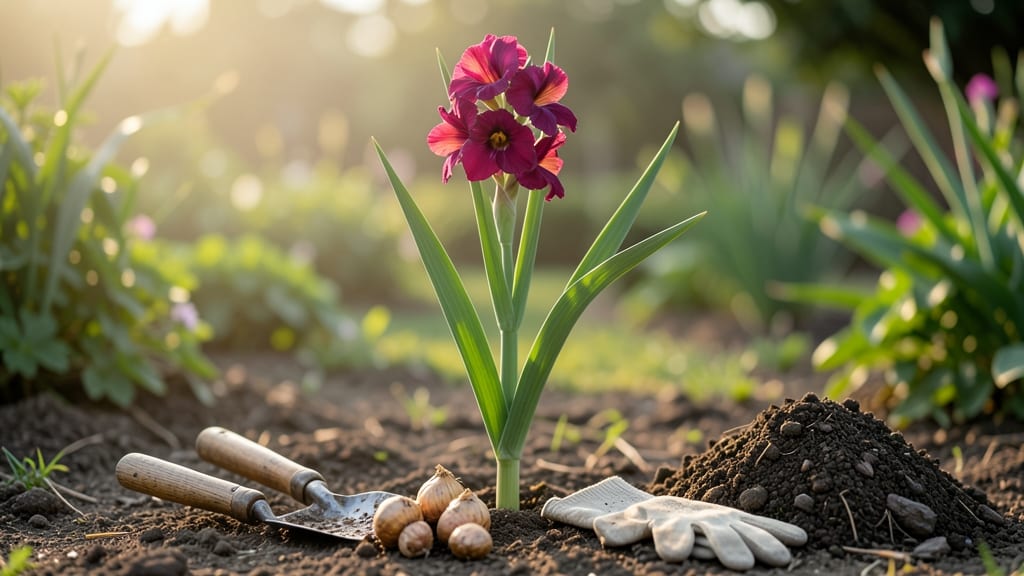
Timing your gladiolus planting in Maine could mean the difference between a showstopping summer garden and a sad, frost-nipped disappointment. With Maine’s unpredictable spring weather, knowing exactly when to plant these tall, striking 🌸 blooms is the key to success.
Most gardeners in Zone 5b should aim for late April to early June, but there’s more to it than just the calendar. The secret lies in waiting for soil temperatures to warm and the last frost to pass—typically around mid-May.
Planting too early risks damage from late frosts, while waiting too long might cut your blooming season short.
Whether you’re starting with corms or seeds, I’ll walk you through the exact steps to get your gladiolus thriving. From soil prep to watering schedules, you’ll learn how to give these sun-loving flowers the perfect start for a bold, vibrant display from July through September.
Ready to transform your garden? Let’s dive into the best planting window for Maine’s climate and the simple care routine that keeps your gladiolus blooming all summer long.
Maine’s gladiolus planting timeline: frost-free dates by Zone 5-6
Maine’s USDA Zones 5-6 create unique challenges for gladiolus growers, where late spring frosts can strike as late as May 15th in northern regions. To avoid frost damage, timing your gladiolus corm planting 4-6 weeks before your average last frost date is critical.
For most of Maine—including Portland, Bangor, and Presque Isle—this means starting in late April to early May.
However, gardeners in Zone 5b (like Augusta or Waterville) should wait until mid-May to ensure soil temperatures stay above 55°F, the ideal range for gladiolus growth. Cooler soil can delay sprouting and weaken plants, making them more susceptible to rot or fungal diseases.
Here’s a regional breakdown of Maine’s frost-free windows and ideal planting dates to maximize your gladiolus blooms:
| Region | Last Frost Date (Avg.) | Ideal Planting Window | Soil Temp. Requirement |
|---|---|---|---|
| Southern Maine (Portland, Kittery) | Mid-April to Early May | Late April | 55°F+ |
| Central Maine (Augusta, Waterville) | Early to Mid-May | Early to Mid-May | 55°F+ |
| Northern Maine (Bangor, Presque Isle) | Late May | Late May | 60°F+ |
| Mountain Regions (Acadia, Moosehead) | Early June | Early June | 60°F+ |
For gardeners in Zone 5b, soil temperature is just as important as frost dates.
Use a soil thermometer to confirm the ground has warmed to at least 55°F before planting. Cooler soils slow germination and can lead to weak, leggy plants that struggle to support their tall flower spikes.
If you’re eager to extend your gladiolus season, consider staggered planting. Plant early varieties in late April for June blooms, then add mid-season varieties in early May for July-August color. This technique ensures continuous blooms throughout the summer, even if frost delays your initial planting.
Pro tip: Mark your planting dates on a calendar and track local frost alerts from the National Weather Service.
In Maine, late frosts can occur as late as June 1st in higher elevations, so flexibility is key. Row covers can buy you an extra 2-3 weeks of protection if you’re planting early.
Once planted, gladiolus corms need 6+ hours of full sun daily and well-draining soil to thrive. Mulch around the base with straw or pine needles to retain moisture and regulate soil temperature. With the right timing, your gladiolus will reward you with dramatic, spike-like blooms from July through September.
For coastal Maine (like Bar Harbor or Rockland), where milder microclimates prevail, you can push planting back 1-2 weeks later than inland areas. However, avoid planting after June 1st, as gladiolus needs 90-120 days to mature and bloom before fall frosts arrive.
Remember, gladiolus is a corm, not a bulb, so handle it gently during planting. Bury it 4-6 inches deep and space corms 6 inches apart to prevent crowding and disease spread.
With Maine’s short growing season, every day counts—so don’t wait until the last minute to get your corms in the ground!
How to adjust gladiolus planting for Maine’s microclimates
Maine’s diverse landscapes—from coastal Portland to high-altitude Acadia—create unique microclimates that can shift your gladiolus planting window by weeks. Inland areas like Bangor often enjoy warmer soil earlier than coastal zones, where ocean breezes delay warming. Meanwhile, urban gardens in Augusta may experience heat islands that allow earlier planting.
For coastal gardeners, wait until late May to plant, as cold ocean currents can linger well after inland areas thaw. In high-altitude regions like Mount Katahdin, push planting to early June to avoid late frosts.
Always check your local USDA Zone 5b frost-free averages, but adjust 1-2 weeks later if you’re near water.
Row covers are your best friend for earlier planting. Lay them over corms planted in mid-April to protect against late frosts. Remove covers when soil reaches 55°F consistently. This trick extends your blooming season by 3-4 weeks while keeping your gladiolus safe from unpredictable Maine chills.
⚠️ Coastal Caution
Coastal Maine’s delayed soil warming can trap cold air near the ground. Plant 1-2 weeks later than inland areas, and avoid sites with morning fog, which can damage emerging shoots. Test soil temperature with a thermometer—wait until it’s 60°F+ at 4 inches deep.
Urban gardeners should monitor pavement heat, which can dry soil faster. Mulch heavily with straw or wood chips to retain moisture. Inland gardeners can plant 2-3 weeks earlier than coastal counterparts, but always have row covers ready for May surprise frosts.
High-altitude areas like Mount Desert Island need extra vigilance. Plant gladiolus corms in early June and choose early-blooming varieties like ‘Picasso’ to maximize your short season. These areas often have shorter growing seasons, so prioritize fast-maturing varieties.
No matter your microclimate, always plant corms 4-6 inches deep in well-draining soil. Add a 2-inch layer of compost to improve fertility, and water deeply after planting to encourage root growth. With these adjustments, your gladiolus will thrive regardless of Maine’s unpredictable weather.