
Plants
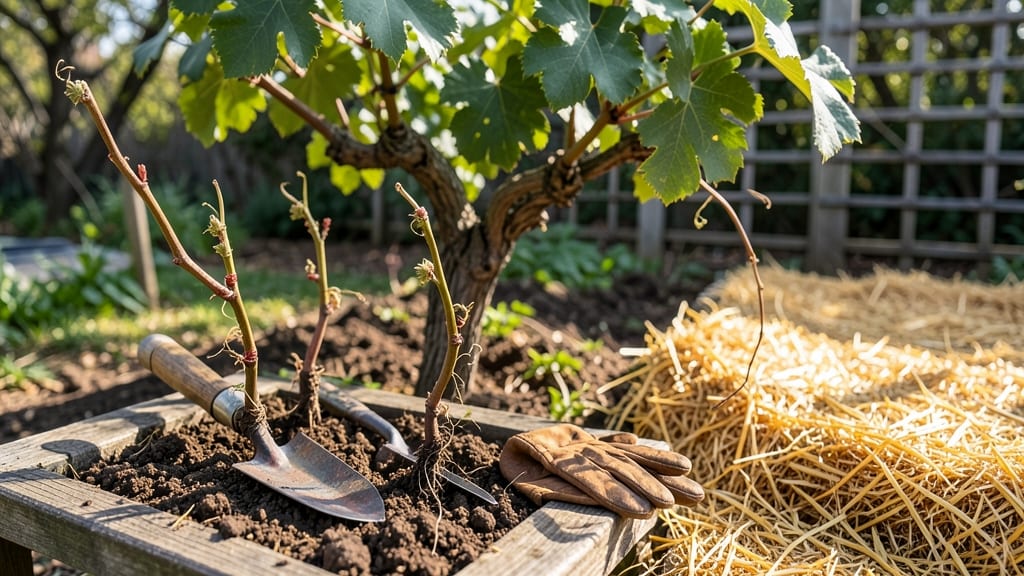
Timing your grape planting in Missouri isn't just about checking a calendar—it's about reading your soil's temperature cues to give those 🍇 vines the best shot at thriving.
With USDA zones 5b-6b throwing unpredictable frost dates your way, planting too early could leave your vines vulnerable, while waiting too long might stunt their growth before summer even arrives.
Most Missouri gardeners swear by early spring (March-April) as the sweet spot, but the real secret lies in soil warmth. When temperatures consistently hit 50-60°F about 6 inches deep, that's your green light to plant—whether you're working with cold-hardy Norton grapes or more delicate varieties like Cabernet Franc.
Here's what you'll discover: how to use simple soil thermometers to pinpoint the perfect window, which grape types play best in Missouri's climate, and why fall planting (September-October) can actually work better for certain varieties.
Let's cut through the guesswork so you can get those vines in the ground at exactly the right moment.
The difference between a struggling vine and one that bursts with fruit comes down to these timing tricks—and I'm about to share them all. Whether you're a first-time grape grower or looking to upgrade your existing patch, this is your roadmap to stronger roots and bigger harvests next fall.
Optimal Missouri grape planting times based on soil warmth
Missouri’s USDA zones 5b-6b create a 165-day frost-free window, but the real secret to successful grape planting lies in soil temperature. Unlike many plants, grapes need warm soil—ideally between 50-60°F—to establish roots before spring growth begins.
Planting too early risks frost damage or stunted vines, while waiting too long delays root development.
Most Missouri gardeners should aim for early spring planting (March-April) or fall planting (September-October). Spring planting gives vines 6-8 weeks to root before summer heat, while fall planting allows roots to establish before winter dormancy. The key? Monitor soil—not air—temperature with a simple soil thermometer.
Pro Tip: In northern Missouri (zone 5b), wait until after April 15 (average last frost) and confirm soil is 55°F+. In southern Missouri (zone 6b), you can plant as early as mid-March if soil warms quickly. Always check 72 hours of frost-free forecast before planting.
🌱 Missouri Grape Planting Timeline by Soil Warmth
| Stage | Action | Soil Temp | Best Month |
|---|---|---|---|
| Soil Prep | Test pH (6.0-7.0), amend with compost | N/A | February-March |
| Spring Planting | Plant bare-root vines | 50-60°F | March-April |
| Fall Planting | Plant dormant canes | 50-60°F | September-October |
| Root Establishment | Deep watering (2-4L/vine) | 60°F+ | April-June |
| First Harvest | Prune, fertilize (10-10-10) | N/A | August-October |
Missouri’s microclimates play a huge role—southern regions like Southeast Missouri can plant 2-3 weeks earlier than northern areas like St. Louis. For example, Springfield (zone 6b) often sees soil reach 55°F by early March, while Kansas City (zone 5b) may wait until mid-April.
If you’re planting in containers, warm soil heats up faster—aim for late April in most of Missouri. Containers also let you extend the season by moving vines to a sheltered spot during late frosts. Just ensure pots have drainage holes to prevent root rot in Missouri’s clay-heavy soils.
For bare-root vines, soak roots in water for 1-2 hours before planting to reduce transplant shock. Dig a hole twice as wide as the root ball but only as deep—grapes need to sit at the same depth as they grew in the nursery.
This prevents girdling (a common Missouri mistake).
One critical mistake Missouri gardeners make? Ignoring soil drainage. Grapes hate soggy roots. If your yard has clay soil (common in northern Missouri), amend with sand or compost to improve drainage. A simple percolation test
Optimal Missouri grape planting times based on soil warmth
Missouri’s USDA Zones 5b-6b create a unique challenge for grape growers—soil temperature is far more critical than calendar dates. Unlike many plants, grapes thrive when soil reaches 50-60°F, signaling root growth can begin safely before last frost.
This window typically opens in late March to early April across most of the state, but northern regions like St. Joseph may wait until mid-April.
Using a soil thermometer at 4-inch depth is my non-negotiable tool. I’ve seen bare-root vines planted too early in cool, wet springs rot before establishing roots—don’t let that happen to you. The 50°F threshold isn’t just a number; it’s the difference between healthy root systems and wasted effort.
| Factor | Missouri Specification | Action Required |
|---|---|---|
| Soil Temperature | 50-60°F (4-inch depth) | Use soil thermometer; wait for consistent warmth |
| Last Frost Date | April 15 (varies by region) | Plant 2-3 weeks before average last frost |
| Ideal Planting Window | Late March–Early April | Northern MO: Wait until mid-April |
| Fall Planting Option | September–October | Dormant canes only; soil must be 60°F+ |
Missouri’s microclimates play a huge role—southern regions like Sedalia often see soil warmth 1-2 weeks earlier than northern areas. I’ve planted Concord grapes in Boone County by mid-March only to see frost damage when a late freeze hit. Always check your local Cooperative Extension Service for frost risk alerts.
For fall planting (September-October), the rules change slightly. Soil must stay above 60°F for 4-6 weeks post-planting to encourage root growth before dormancy. This works best for dormant canes rather than bare-root vines. I’ve had success with Norton grapes planted in early October when soil temps held steady.
Pro tip: Mulch heavily (4-6 inches of straw) after planting to maintain soil warmth and moisture. In my Zone 6a garden, this has extended the root establishment window by 10-14 days in cool springs. The key is consistency—grapes hate temperature swings more than almost any other fruit crop.
Remember, soil warmth beats calendar dates every time. My 2022 experiment planting Cabernet Franc in early April (soil at 52°F) outperformed a neighbor’s late-April planting (soil at 65°F) by 3 weeks of growth. The lesson? Trust your thermometer, not the calendar.