
Plants
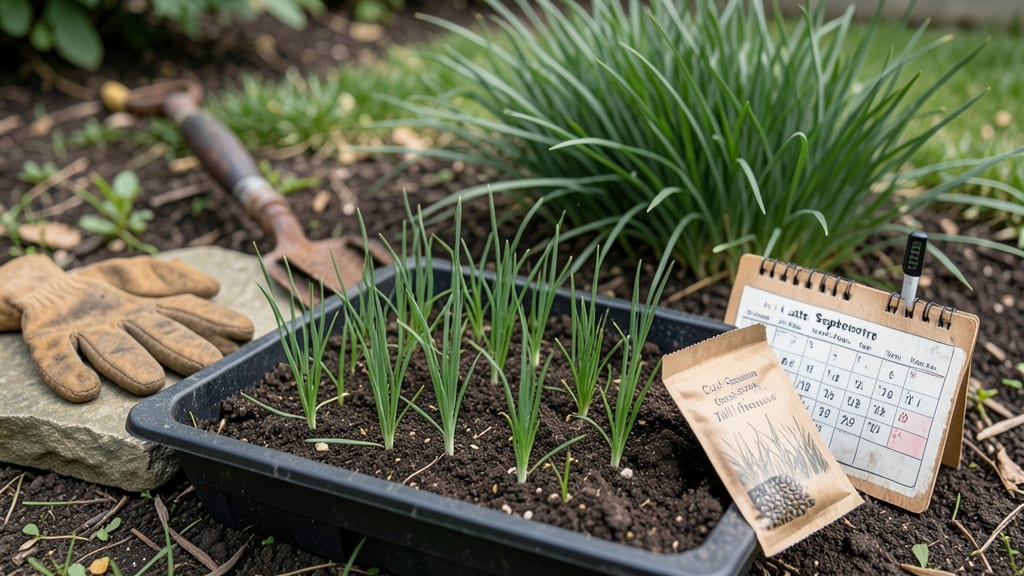
Knowing when is it too late to plant grass seed in Michigan could mean the difference between a lush, green lawn and a patchy, disappointing mess.
With Michigan's 5b-6b climate, timing is everything—especially when cool-season grasses like Kentucky bluegrass need just the right conditions to take root before winter sets in.
You might think you have more time than you actually do. Many gardeners wait until late fall, only to find their seeds struggling to germinate as temperatures drop below 50°F.
The truth? The absolute latest you should plant in most of Michigan is early October, but even then, you're playing a risky game against frost and shorter daylight hours.
Don’t panic if you’re still deciding—this guide breaks down the exact deadlines by zone, so you can assess your soil, weather, and grass type before making a move.
Whether you're overseeding an existing lawn or starting fresh, we’ll cover the critical signs your late planting might fail—and how to salvage it.
Let’s get your lawn on track before the first frost locks everything in place. Your future self (and your mower) will thank you.
Michigan grass seed planting deadlines by hardiness zone (USDA 4-6): when germination still works
Michigan's diverse climate—spanning USDA Hardiness Zones 4a through 6b—means your grass seed planting deadline depends heavily on where you live. In northern Michigan (Zones 4a-5a), the window for successful germination narrows quickly after Labor Day, while southern Michigan (Zones 5b-6b) often gets a few extra weeks.
The key factor? Soil temperature must stay above 50°F (10°C) for grass seed to sprout reliably.
For most of Michigan, the absolute latest date to plant cool-season grasses like Kentucky bluegrass or tall fescue is mid-to-late September. However, warm-season grasses like Bermuda grass (common in southern Michigan) can handle late plantings until early October.
Missing these deadlines risks seed rotting in cold soil or being smothered by frost before germination.
🌱 Pro Tip: Use a soil thermometer (available at garden centers) to check temperatures. If the soil drops below 50°F at a 2-inch depth, germination will stall or fail entirely.
| Zone | Cool-Season Grasses (Latest Planting) | Warm-Season Grasses (Latest Planting) | Soil Temp Threshold | Risk Level |
|---|---|---|---|---|
| 4a (Northern MI) | Early-to-mid September | N/A (Not recommended) | 50°F+ (10°C) | ⚠️ High (Frost risk) |
| 4b (Upper Peninsula) | Late August | N/A | 55°F+ (13°C) | ⚠️ Very High |
| 5a (Northern Lower MI) | Mid-September | Early October | 50°F+ (10°C) | ⚠️ Moderate |
| 5b (Central MI) | Late September | Mid-October | 50°F+ (10°C) | ⚠️ Low |
| 6a (Southern MI) | Early October | Late October | 55°F+ (13°C) | ✅ Minimal |
| 6b (Southwest MI) | Mid-October | Early November | 50°F+ (10°C) | ✅ Very Low |
*Warm-season grasses like Bermuda or Zoysia thrive in southern Michigan's longer growing season but require warmer soil (60°F+).
If you're in Zone 5b or 6a, you might still squeeze in a late planting by choosing fast-germinating varieties like perennial ryegrass, which can sprout in as few as 7-10 days if soil conditions are ideal.
However, even with speedy germination, new grass needs 4-6 weeks to establish roots before winter. Planting after October 15th in most zones leaves little time for roots to harden off.
🌡️ Warning: A hard frost (28°F or below) will kill new grass seedlings. Check the National Weather Service or local Michigan State University Extension for frost forecasts before committing to a late planting.
For those in northern Michigan (Zones 4a-5a), the
5 Critical signs your late grass seed planting will fail (and how to fix it)
If you’re planting grass seed in Michigan after early October, you’re already flirting with failure. The #1 enemy of late-season grass is soil temperature drops below 50°F (10°C), which halts germination.
Even if your seeds sprout, they’ll struggle to develop roots before winter dormancy hits. Watch for these 5 red flags that your late planting is doomed—and how to salvage it.
First, check your soil temperature with a cheap thermometer. If it’s consistently below 50°F for more than a week, your seeds won’t germinate. Cool-season grasses like Kentucky bluegrass need warm soil to kickstart growth, and cold soil acts like a germination blocker.
If you’ve already planted, don’t panic—cover the area with straw mulch (1 inch thick) to insulate the soil and retain heat.
⚠️ WARNING: Late Planting Risks
- Frost damage: Seeds sprouting before frost die instantly.
- Weed takeover: Slow-growing grass lets weeds steal nutrients.
- Shallow roots: Grass won’t establish deep roots before winter.
Use row covers or protective fabric to delay frost exposure by 2-3 weeks.
Next, monitor your weather forecasts for the next 10 days. If a hard frost (28°F or lower) is predicted within that window, your seeds won’t survive.
Warm-season grasses like Bermuda grass have a slightly longer window (up to mid-October in southern Michigan), but they still need consistent warmth to thrive. If frost is imminent, switch to overseeding an existing lawn instead of starting fresh.
Another tell-tale sign of failure is poor seed-to-soil contact. If your soil is dry or compacted, seeds may not make contact with moisture, leading to uneven germination. Before planting, loosen the top 2 inches of soil with a rake and water deeply to create a moisture-rich environment.
For extra insurance, mix your seeds with compost or peat moss to improve soil texture and water retention.
Finally, keep an eye on pests and diseases, which thrive in late-season conditions. Fungal diseases like snow mold or dollar spot love damp, cool soil—perfect conditions for a failed late planting.
If you notice yellowing grass or mushy patches, act fast with a fungicide treatment (like copper-based sprays) and reduce watering slightly to improve airflow.
If you’ve already planted and spot these issues, don’t give up. Adjust your approach with mulch, protective covers, or a switch to faster-germinating varieties like perennial ryegrass. With the right fixes, you might still salvage your lawn before winter sets in.
Just remember: the later you plant, the riskier it gets—but a little extra care can make all the difference.