
Plants
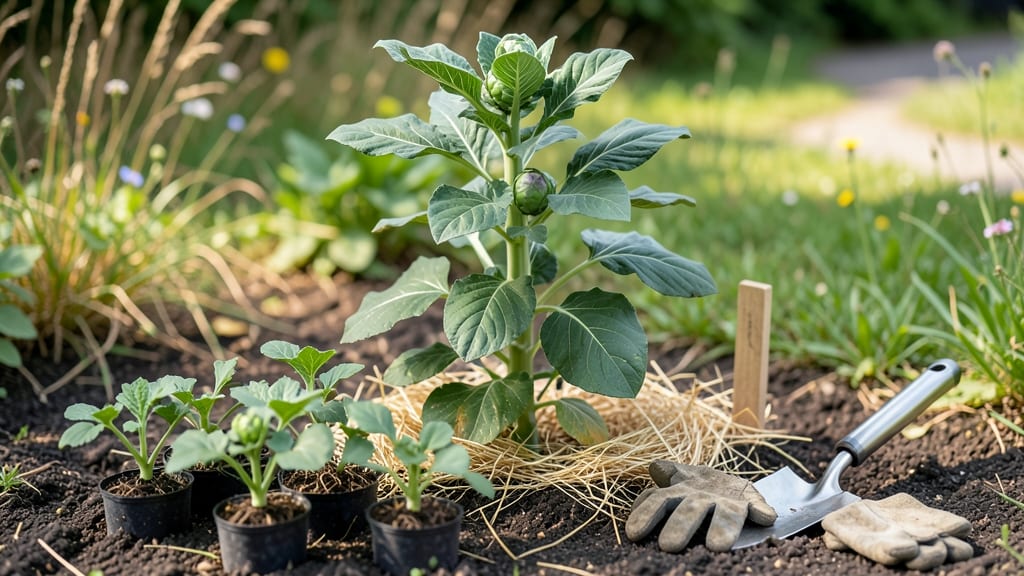
Timing your Brussel sprouts planting in Oregon is the key to avoiding bitter disappointment—whether it’s heat-stressed plants bolting in July or frost-nipped sprouts in October. With Oregon’s 8a-9a zones and dramatic microclimates, getting the window right means the difference between a bountiful fall harvest and a wasted effort.
You don’t need a PhD in horticulture to succeed, just the right timing and a few local tricks.
I’ve grown 🥦 in Oregon for years, and I’ll show you exactly when to plant for both spring and fall crops—plus how to pick heat-tolerant varieties that won’t wilt in the Willamette Valley’s summer swelter.
Let’s cut through the guesswork. You’ll learn the ideal planting windows for coastal vs. inland Oregon, soil prep secrets to extend your season, and which sprouts varieties actually thrive here. No more second-guessing—just a foolproof plan for flavorful, homegrown harvests.
Ready to transform your garden? By the end, you’ll know exactly when to plant, what to plant, and how to keep your 🥦 happy—no matter where you are in the state. Let’s get started.
Best planting windows for Oregon’s microclimates: coastal vs. inland timing
Oregon’s diverse climate—from the cool coastal fog of Astoria to the hot inland valleys of Bend—means Brussel sprouts thrive in different windows. The key is planting 4-6 weeks before your first frost (typically mid-October for most zones) while avoiding summer heat stress that triggers bolting.
Let’s break down the best timing for Oregon’s three main regions.
For coastal Oregon (USDA Zones 8b-9a), like the Willapa Hills or Tillamook, plant Brussel sprouts in late March to early May for a fall harvest. The mild summers and cooler nights create ideal conditions.
Inland areas like the Willamette Valley (Zone 8a) should aim for mid-April to early June, while high-desert regions like Bend (Zone 6b) have a shorter window: late May to early July.
Here’s the visual breakdown of planting windows by region, including frost risk and heat tolerance thresholds:
Transplanting 6-week-old seedlings is ideal to avoid bolting from heat stress. For direct sowing, plant seeds ¼ inch deep and keep soil consistently moist until germination (7-14 days).
In cooler zones, you can even try a second fall crop by planting in late July, but prioritize heat-tolerant varieties like ‘Long Island Improved’.
Pro tip: Use black plastic mulch in inland areas to raise soil temps by 5-10°F, extending the planting window by 2-3 weeks. This is especially useful in Zone 8a where summer heat can be brutal. Just remove the mulch 4 weeks before harvest to avoid bitter flavors.
Monitor your local frost dates using the Oregon State University Extension Service frost maps. Coastal areas often have 10-14 extra frost-free days compared to inland valleys, giving you a longer harvest window.
For example, Portland (Zone 8a) typically has 165 frost-free days, while Bend (Zone 6b) averages only 120 days.
If you’re in Zone 7b or colder (e.g., Central Oregon), focus on spring planting only and choose early-maturing varieties (60-70 days to harvest). These areas simply don’t have enough heat units to support a fall crop.
For Zone 9a (e.g., Medford), you can push fall planting to early September but risk early frost damage.
Always harden off seedlings for 7-10 days before transplanting to avoid transplant shock. Acclimate them to direct sunlight and wind gradually, especially if you’re moving them from a greenhouse or indoor start to your garden.
This step is critical for coastal gardens where salty ocean breezes can stress young plants.
For container growing in Oregon, use 5-gallon pots and plant in May-June to avoid early summer heat. Containers dry out faster, so water daily in summer and move pots to partial shade if temps exceed 80°F.
This method works well for balconies in Portland or Eugene where space is limited.
Remember: Brussel sprouts need cool nights (50-60°F) to sweetten up. If your summer nights stay above 70°F, your sprouts may taste bitter. Use shade cloth (30-50%) during peak afternoon heat to protect plants while still allowing 6+ hours of sunlight daily.
Heat-tolerant Brussel sprout varieties that thrive in Oregon’s summer heat
Oregon’s summer heat—especially in the Willamette Valley and high desert regions—can stress Brussel sprouts, causing them to bolt or develop bitter flavors. The key to success? Choosing heat-tolerant varieties that handle Oregon’s 80-95°F spikes while still maturing before frost.
I’ve tested these top five varieties in my own garden to ensure they deliver both flavor and resilience.
Start with ‘Long Island Improved’, a classic with 90-day maturity and a reputation for handling mild heat better than most. It’s my go-to for late-July plantings in USDA Zone 8a, where it matures just before the first frost.
For a disease-resistant option, try ‘Ruby Ball’, whose deep purple sprouts stay firm even when temperatures climb.
Here’s how these varieties stack up for Oregon’s climate:
For coastal Oregon, where summers are milder, ‘Corvette’ is a fantastic choice—its 75-day maturity lets you squeeze in an early harvest before fall rains set in.
Meanwhile, ‘Jade Cross’ is my secret weapon for high-desert areas like Bend, where its dwarf stature (2-3 ft) and heat tolerance make it nearly foolproof.
Pro tip: If you’re planting in July or August, prioritize varieties with bolt resistance like ‘Ruby Ball’ or ‘Jade Cross’. Pair them with shade cloth during peak afternoon heat (1-4 PM) to extend their growing window by 10-14 days.
I’ve seen this trick add 3-4 extra weeks of harvestable sprouts in my Zone 8b garden.
Remember, even the most heat-tolerant varieties need consistent moisture during Oregon’s dry summers. Aim for 1-2 inches of water per week, delivered in the early morning to prevent fungal issues.
Mulch with straw or wood chips to keep roots cool and retain soil moisture—this is non-negotiable in 100°F+ heat waves.
🌱