
Plants
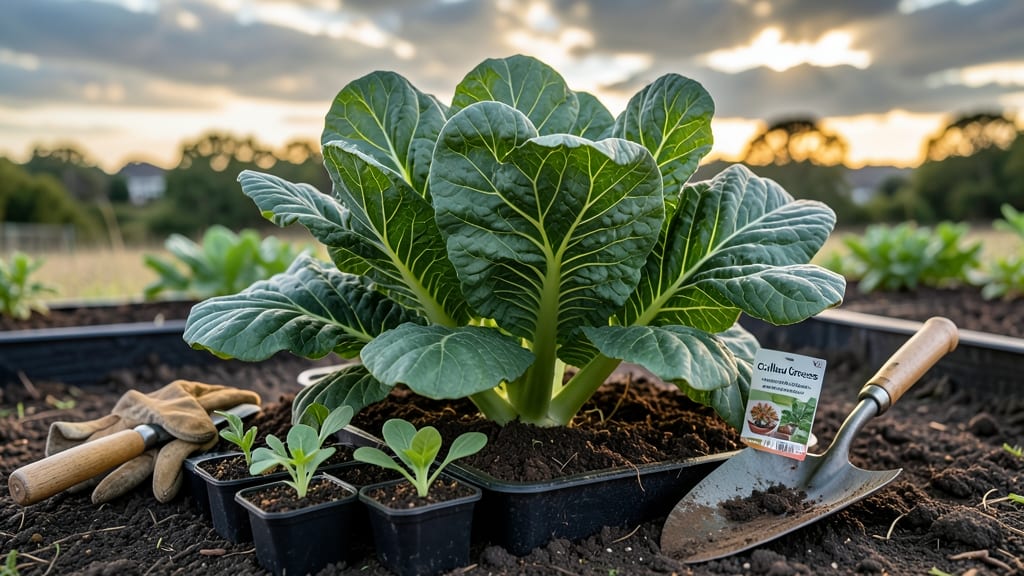
If you’ve ever planted collards in Florida only to watch them bolt in the summer heat or struggle through a weak harvest, you’re not alone. The key to thriving 🥬 lies in planting at the right time—when temperatures cooperate and frost isn’t lurking around the corner.
Florida’s climate—from the frost-prone North to the nearly frost-free South—means your planting window varies dramatically. But with the right timing, you can enjoy two bountiful harvests: one in the fall/winter and another in spring.
Let’s break down the exact weeks to plant for maximum yield, plus heat-tolerant varieties that won’t wilt under Florida’s sun.
Whether you’re in USDA Zone 8a or 11, knowing when to start seeds or transplants makes all the difference. I’ll show you how to calculate your local frost dates, adjust for microclimates, and even extend your harvest with succession planting—so you’re never without fresh, flavorful greens.
Ready to turn your garden into a year-round collard powerhouse? Let’s dive into the most important steps to plant collards the right way, every time.
Optimal planting windows for collards in Florida: weeks before frost & heat zones
Florida’s diverse climate means collard greens can grow almost year-round—but timing matters for sweet, tender leaves. In North Florida (USDA Zones 8a-9a), frost can sneak in as early as December 15, while South Florida (Zones 10a-11) rarely sees frost.
Your planting window hinges on avoiding summer’s 90°F+ heat, which causes bolting (flowering) and bitter flavors.
For two harvests per year, aim for fall/winter (September–March) and early spring (February–April). North Florida gardeners should plant 4–6 weeks before the first frost, while South Florida can extend planting into early spring for a second crop.
Microclimates—like coastal areas with milder winters—can shift these windows by 2–4 weeks.
Here’s your region-specific planting schedule, including frost dates and heat tolerance tips:
| Region | USDA Zone | First Frost Date | Planting Window | Heat Tolerance Tip |
|---|---|---|---|---|
| North Florida (Panhandle, Gainesville) | 8a–9a | December 15–January 15 | September 1–October 15 (Fall) February 1–March 15 (Spring) |
Use row covers in winter; avoid planting after May 1. |
| Central Florida (Orlando, Tampa) | 9a–9b | January 1–February 1 (rare) | August 15–September 30 (Fall) January 1–February 28 (Spring) |
Plant in partial shade June–August to prevent bolting. |
| South Florida (Miami, Key West) | 10a–11 | None (frost-free) | Year-round, but avoid June–September for best flavor. | Use drip irrigation to manage humidity and prevent fungal issues. |
For North Florida, calculate your last frost date (check Almanac’s frost calculator) and plant 6 weeks before. For example, if frost hits January 1, plant by November 15.
In Central Florida, you can push planting into late August for a fall crop, but provide afternoon shade to protect seedlings from 95°F+ heat.
In South Florida, collards thrive year-round, but summer heat stresses plants. If you must plant in June–August, choose heat-tolerant varieties like ‘Georgia Southern’ and use mulch to retain moisture. Avoid planting in direct sun during peak afternoon heat (12–4 PM).
Pro tip: Succession plant every 2–3 weeks from September to February to ensure a continuous harvest. For example, in North Florida, plant September 1, September 15, October 1, and October 15 for staggered maturity. This method works in Central and South Florida too, but adjust for local heat spikes.
Watch for microclimate shifts. Coastal areas (e.g., Apalachicola, Fort Myers) have milder winters and can plant 2–3 weeks later than inland zones. Use a minimum thermometer to track nighttime temps—collards tolerate 28°F but may suffer leaf damage below 30°F.
Finally, soil temperature matters. Collard seeds germinate best in soil at 60–85°F. In North Florida, wait until soil warms to 70°F+ in spring (typically March 15+). In South Florida, soil stays warm year-round, but summer planting requires extra shade to prevent seedling stress.
Start with transplants instead of seeds for faster results. Seedlings take 7–10 days to germinate and are vulnerable to cutworms and aphids in Florida’s humidity. Buy 6-week-old transplants from local nurseries in August–September for a head start.
Optimal planting windows for collards in Florida: weeks before frost & heat zones
Florida’s three distinct climate zones—North, Central, and South—mean your collard planting schedule should vary based on your location. In North Florida (USDA Zones 8a-8b), frost can arrive as early as mid-December, while South Florida (Zones 10b-11) rarely sees frost at all.
Even within these zones, microclimates (like coastal areas vs. inland) can shift your planting window by 2-4 weeks.
For two successful harvests, aim for one planting in early fall (September-October) and another in late winter (February-March). This strategy lets you enjoy tender greens through winter’s mild temperatures and into early spring before summer heat sets in.
Let’s break down the exact weeks for each zone to avoid bolting or frost damage.
🌱
| Region | USDA Zone | First Frost Date | Planting Window | Harvest Window |
|---|---|---|---|---|
| North Florida | 8a-8b | Mid-December | September 1 - October 15 February 15 - March 15 |
October - March |
| Central Florida | 9a-9b | January 1 (rare) | August 15 - September 30 January 15 - February 15 |
September - April |
| South Florida | 10b-11 | None (frost-free) | Year-round (avoid June-August) | September - May |
*Adjust dates 1-2 weeks earlier for coastal areas (cooler) or later for inland (warmer).
In North Florida, plant your first batch of collard seeds or transplants 4-6 weeks before frost—typically by October 15. This gives plants time to establish roots before winter chill sets in. For a spring harvest, plant again in February to enjoy greens before summer heat arrives.
In Central Florida, where frost is rare, you can push planting into late August for a fall harvest, but avoid planting after September 30 to prevent bolting.
For South Florida gardeners, the rules are simpler: plant year-round except June-August. The heat and humidity during these months cause collards to bolt prematurely or develop bitter flavors.
If you’re in a coastal microclimate, like the Keys or Tampa Bay, you might even see a third harvest in late summer if you provide partial shade and extra water.
🌡️
To calculate your local frost dates, check the Florida Climate Center or use a frost calculator for your ZIP code. Coastal areas tend to have earlier frosts due to ocean breezes, while inland regions may stay warmer for longer.
If you’re unsure, err on the side of planting earlier—collards are more forgiving of cool weather than heat stress. With the right timing, you’ll have tender, sweet collards for months, not just weeks.