
Flowers
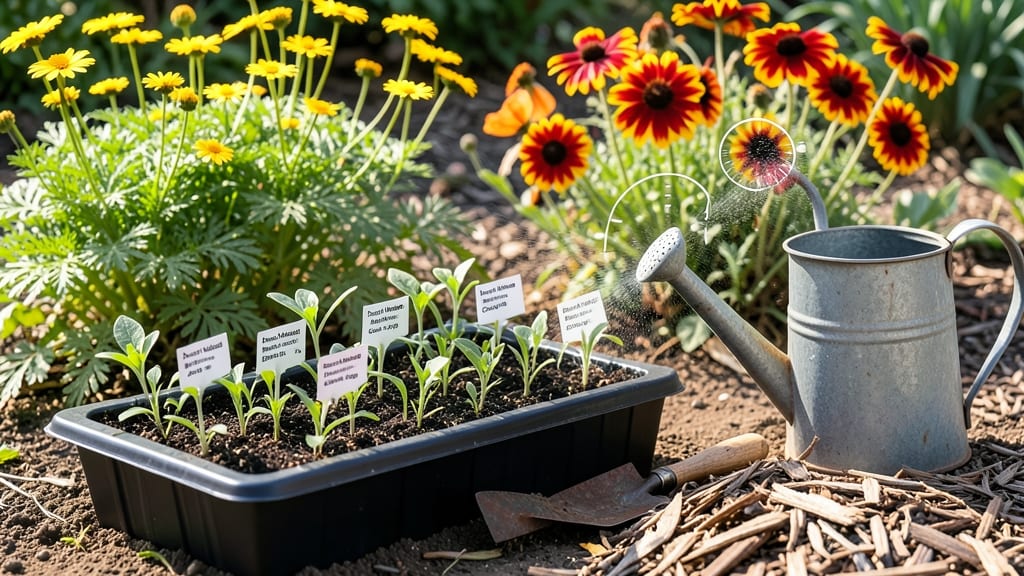
Timing your when to plant flowers in Arizona isn’t just about following a calendar—it’s about outsmarting the desert’s extreme swings from 110°F summers to rare winter chills. Skip the guesswork, and you could end up with wilting petals before they even bloom.
But get it right, and you’ll unlock a garden that thrives year-round, from heat-loving bougainvillea to frost-resistant snapdragons.
Most Arizona gardeners know fall is the sweet spot—September through November—when temperatures cool enough to let roots establish before summer’s brutal heat returns. Yet even this window has secrets: Low Desert zones like Phoenix demand earlier planting than cooler High Desert areas near Flagstaff.
The key? Matching your 🌸 flowers to your microclimate’s unique rhythm.
In this guide, I’ll break down the exact months to plant for your specific zone, plus the top drought-proof varieties that won’t beg for water. We’ll also tackle the biggest mistakes—like planting too late and inviting root stress—that turn hopeful gardeners into frustrated water warriors.
Ready to skip the trial-and-error? Let’s dive into the desert-proof planting schedule that’ll keep your garden blooming like a year-round oasis, not a sun-scorched memory.
Arizona flower planting calendar by month: avoid heat and frost pitfalls
Arizona’s diverse microclimates mean planting times vary dramatically between the Low Desert (Phoenix/Tucson) and High Desert (Flagstaff/Sedona). While frost is rare in most areas, elevations above 5,000 feet can see light freezes in winter.
My strategy? Focus on fall and winter planting to give flowers a head start before summer’s brutal heat.
Low Desert gardeners (USDA Zones 9b-11) have the longest growing season—300+ frost-free days—while High Desert zones (7a-9a) face cooler nights. I’ll break it down by month, highlighting peak planting windows and seasonal bloomers that thrive in Arizona’s extremes.
Pro Tip: Always check the AZ Plant Heat Zone Map for your exact location—it’s your best tool for precision planting.
| Month | Low Desert (Zones 9b-11) | High Desert (Zones 7a-9a) | Seasonal Focus |
|---|---|---|---|
| January | Plant cool-season annuals (pansies, snapdragons) | Direct sow hardy perennials (coneflowers, blanket flower) | Winter blooms |
| February | Transplant tender perennials (bougainvillea, desert marigold) | Sow native wildflowers (penstemon, gaillardia) | Spring prep |
| March | Avoid planting—extreme heat stress | Plant heat-tolerant bulbs (dwarf daffodils) | Heat acclimation |
| September | Best month! Plant annuals (portulaca, zinnia) and perennials (blackfoot daisy) | Sow cool-season veggies + flowers | Monsoon transition |
| October | Plant winter-blooming bulbs (paperwhites, amaryllis) | Establish winter gardens (pansies, sweet alyssum) | Fall color peak |
| November | Last chance for spring-blooming bulbs (tulips in cooler microclimates) | Plant drought-resistant perennials (yarrow, lavender) | Winterizing |
September through November is my golden window for planting in Arizona’s Low Desert. This timing lets flowers establish roots before summer’s 110°F+ heat. I prioritize drought-tolerant annuals like desert marigolds and heat-acclimated perennials such as Mexican sunflowers.
For High Desert areas, I extend planting into late October to take advantage of cooler nights. Native wildflowers like blanket flower and penstemon thrive when planted in fall, blooming spectacularly the following spring.
Monsoon season (July-August) can trick gardeners into thinking it’s safe to plant. Don’t fall for it! The sudden downpours followed by scorching heat create root rot risks. I wait until September, when temperatures stabilize, to plant summer-blooming varieties.
Winter planting (December-February) works surprisingly well in Arizona. Many cool-season annuals like pansies and snapdragons tolerate our mild winters, providing color when other plants rest. In High Desert zones, I even plant tender bulbs like paperwhites for early spring blooms.
My biggest mistake? Planting heat-sensitive flowers like impatiens in summer. They wilt within days. Instead, I opt for native desert adapted varieties that handle Arizona’s extremes with ease.
🌵 Remember: Arizona’s USDA Zone 11 areas (like Yuma) can plant year-round, but even there, summer planting requires shade cloth and extra mulch to
Best flowers for Arizona’s extreme heat: drought-tolerant picks for year-round color
Arizona’s triple-digit summers can turn your garden into a sauna if you’re not strategic. The key? Drought-tolerant flowers that thrive in USDA Zones 7-11 without guzzling water. These varieties not only survive but bloom beautifully with minimal care, making them perfect for desert landscapes.
From Blackfoot Daisy to Desert Willow, I’ve handpicked the toughest, most vibrant options to keep your garden popping all year.
These flowers are categorized by water needs (low, moderate, high) and sunlight tolerance—because in Arizona, full sun isn’t optional; it’s a requirement. Whether you’re in Phoenix, Tucson, or Flagstaff, these plants will outperform traditional annuals and perennials that wilt under the desert sun.
Let’s dive into the top performers that’ll make your garden the envy of the neighborhood.
🌵 Drought-Tolerant Flower Showdown
| Variety | Water Needs | Sunlight | Bloom Season | Height |
|---|---|---|---|---|
| Blackfoot Daisy | Low | Full Sun | Spring-Fall | 1-2 ft |
| Desert Marigold | Moderate | Full Sun | Summer-Fall | 1-3 ft |
| Mexican Sunflower | Low | Full Sun | Summer-Fall | 3-6 ft |
| Bougainvillea | Moderate | Full Sun | Spring-Fall | 10-15 ft |
| Desert Willow | Low | Full Sun | Spring-Fall | 6-10 ft |
| Penstemon | Low | Full Sun | Spring-Summer | 1-3 ft |
Each of these Arizona-native or adapted flowers is a game-changer for low-maintenance gardens. For example, the Blackfoot Daisy thrives on neglect—once established, it needs almost no water and still delivers bright white blooms from spring to fall.
Meanwhile, Bougainvillea rewards you with vibrant pink, purple, or orange hues but requires slightly more water to keep its leaves lush. If you’re aiming for tall, dramatic accents, the Desert Willow is your best bet—it’s drought-proof and heat-resistant, perfect for hot afternoons.
Pro tip: Pair low-water plants like Penstemon with moderate-water lovers such as Desert Marigold to create a balanced, sustainable garden. This strategy ensures you’re not overwatering while still enjoying year-round color. Plus, these combinations attract pollinators like butterflies and hummingbirds, adding life to your desert oasis.
Start with 3-5 plants of each variety to test what thrives best in your specific microclimate—soil type and wind exposure can make a big difference!
For urban gardeners with limited space, container gardening is a fantastic option. Use terracotta pots (they wick away moisture) and cactus/succulent soil mixes to keep roots cool. Mexican Sunflower and Desert Marigold are container superstars—they’re compact, fast-growing, and heat-tolerant.
Just ensure your pots have drainage holes to prevent root rot, a common issue in Arizona’s intense heat. With the right mix, your balcony or patio can become a blooming paradise without breaking the bank or draining your water supply.
Remember, the secret to success in Arizona gardening isn’t just picking the right plants—it’s understanding their needs. Most of these flowers hate soggy roots, so always plant in well-draining soil and avoid overhead watering during the hottest hours (10 AM–4 PM).
Instead, water deeply in the early morning to give roots time to absorb moisture before the sun peaks. With these drought-tolerant champions, your garden will flourish even when the thermometer hits 110°F—and that’s a promise!