
Trees
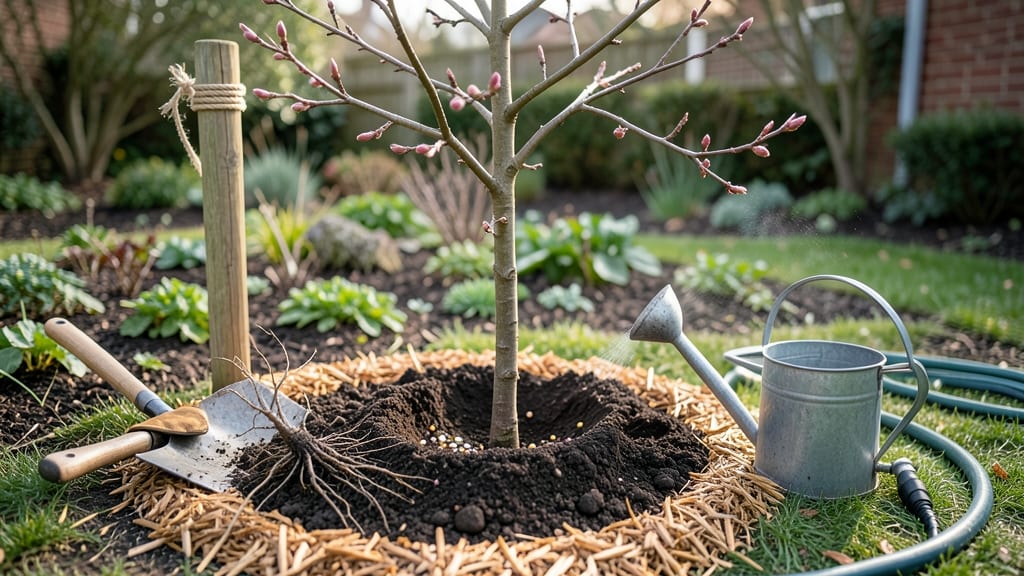
Timing your fruit trees planting in Indiana isn’t just about the calendar—it’s about survival. With USDA Zones 5b-6b and unpredictable frost dates, planting too early risks frost damage, while waiting too long can stunt root growth before summer heat hits.
Most Indiana gardeners swear by the late winter to early spring window (February–April), but the 🍎 key is matching your variety to Indiana’s chill hour needs—from 300 hours for peaches to over 1,000 hours for apples.
Get this wrong, and you’ll end up with trees that either bloom too early (and get fried by frost) or never produce fruit.
I’ll break down the exact planting schedule by fruit type, including when to plant bare-root vs. container-grown trees, and how to prep your soil for Indiana’s heavy clay or sandy loam. Spoiler: Apples and cherries need more patience than peaches or pears—but the payoff is decades of harvests.
Ready to plant? Let’s dive into the step-by-step guide that’ll help your fruit trees thrive in Indiana’s climate, no matter where you live in the state.
Indiana fruit tree planting calendar: chill hours & frost-free deadlines by variety
Indiana’s chill hours (300–1,000+ hours below 45°F) and last frost dates (March 15 in most areas) dictate the perfect planting window for fruit trees. Planting too early risks frost damage, while waiting too late can stunt root growth.
Here’s your exact schedule by variety, tailored to Indiana’s USDA Zones 5b–6b.
For bare-root trees, aim for late winter to early spring (February–April) when soil is workable but buds haven’t swollen. Container-grown trees can be planted anytime while dormant (November–March) or in early spring.
Always check your local frost map—Northern Indiana (Zone 5) has a shorter growing season than Southern Indiana (Zone 6).
📅 Key Deadlines by Variety:
| Variety | Chill Hours Needed | Best Planting Window | Notes |
|---|---|---|---|
| Apple | 600–800 | Late Feb–early April | Dwarf varieties adapt better to Zone 5. |
| Peach | 400–600 | March–early April | Avoid low-lying areas (susceptible to frost). |
| Cherry (Sweet) | 500–700 | Late March–April | Needs cross-pollination; plant 2 varieties. |
| Plum | 300–500 | February–March | Early bloomers; plant near windbreaks. |
| Pear | 300–600 | Late Feb–April | Self-pollinating; ideal for small yards. |
Peaches and plums are the fastest to bloom in spring, so they need the earliest planting to avoid late frost damage. Apples and pears are more forgiving but still benefit from early spring soil warmth (aim for 40°F+ soil temps).
Use a soil thermometer to check—plant when roots can establish before buds break.
Pro tip: Mulch heavily (4–6 inches of wood chips) after planting to insulate roots from spring frost heaves and summer heat stress. Water deeply every 7–10 days until established (first 2 growing seasons).
For container-grown trees, dig a hole twice as wide as the root ball but no deeper. Amend native soil with compost (20–30%) to improve drainage—Indiana’s clay-heavy soils can suffocate roots if unamended. Stake only if needed (windy sites) to avoid girdling from ties.
🌱 Local Tip: Indiana’s humid summers increase fungal risks like apple scab and peach leaf curl. Choose resistant varieties (e.g., ‘Liberty’ apple, ‘Reliance’ peach) and apply copper fungicide at bud swell in spring.
How to adjust planting for Indiana’s microclimates: northern vs. southern regions
Indiana’s USDA Zones 5b-6b hide a secret: Northern Indiana’s colder winters (like Gary or Fort Wayne) demand earlier planting than Southern Indiana’s milder climate (near Louisville or Evansville).
A peach tree planted in February in Zone 5b might freeze, while the same tree thrives in Zone 6b if planted in March. The key? Adjusting for last frost dates and soil thaw timing.
Northern Indiana’s Zone 5b typically sees its last frost around April 15, while Southern Indiana’s Zone 6b averages March 20–April 1. This 3-week difference can mean the difference between a thriving orchard and a failed investment.
For example, apple trees (which need 800–1,000 chill hours) planted too early in the north risk late-spring frosts damaging blossoms.
Here’s how to adapt your planting strategy based on where you live in Indiana:
| Factor | Northern Indiana (Zone 5b) | Southern Indiana (Zone 6b) |
|---|---|---|
| Ideal Planting Window | Late March–early April | Mid-February–mid-March |
| Soil Thaw Timing | Early April (wait for 50°F+) | Mid-March (45°F+) |
| Frost Risk for Early Varieties | High (avoid peaches, cherries) | Moderate (peaches okay) |
| Windbreak Needs | Critical (use fences or hedges) | Moderate (less wind exposure) |
| Best Varieties for Climate | Honeycrisp apples, Montmorency cherries | Elberta peaches, Redhaven cherries |
In Northern Indiana, prioritize late-blooming varieties like Honeycrisp apples or Montmorency cherries, which tolerate late-spring frosts. Plant bare-root trees in early April once soil is workable, and use windbreaks to protect young trees from lake-effect winds near Lake Michigan.
Southern Indiana gardeners can push planting to mid-February for peaches and pears, which need 300–500 chill hours. The warmer climate also allows for container-grown trees planted in early spring, giving you flexibility.
Just avoid low-lying areas where cold air pools—even in Zone 6b, frost pockets can still damage blossoms.
Pro tip: Use Indiana State Climate Office frost maps to track local trends. If you’re on the fence, plant 2–3 weeks later than the average date—your trees will thank you with healthier roots and better fruit set next season. 🌱