
Trees
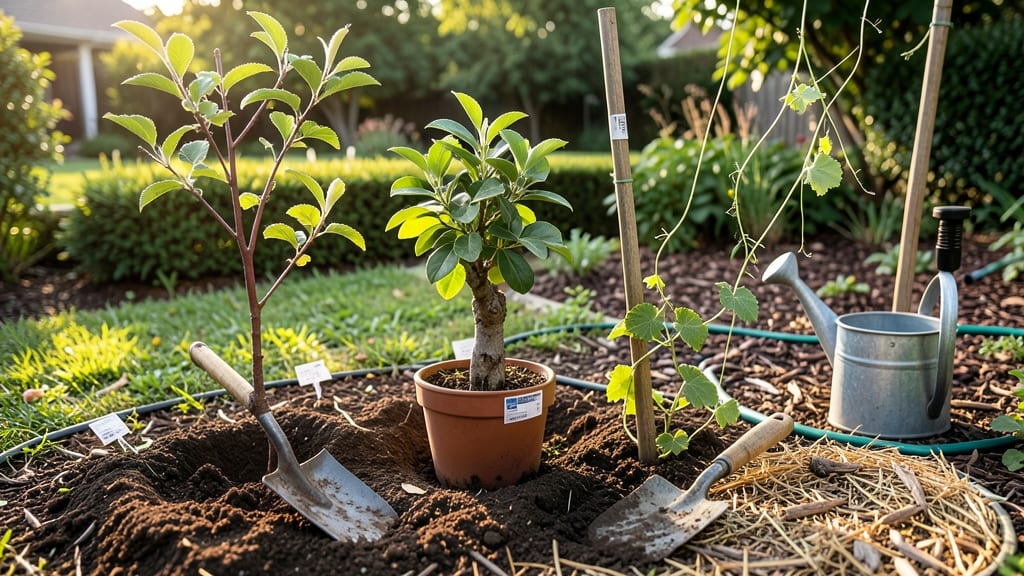
Planting fruit trees at the wrong time in New Zealand can turn your dream orchard into a costly gamble—especially when frost, heatwaves, or unpredictable rain throw off your timing.
Whether you're in the subtropical North Island or the cooler South Island, getting the season right is the key to strong root growth and bountiful harvests.
I’ve spent years watching fruit trees thrive (and struggle) across NZ’s diverse microclimates, and the difference between a 5-minute planting decision and years of frustration often comes down to one thing: knowing your local frost risks and soil conditions.
Let me show you exactly when to plant for your region—so you can avoid the heartbreak of stunted saplings or wasted saplings.
From citrus groves in Auckland to apple orchards in Nelson, the ideal planting window varies wildly. We’ll break down the best months for your climate zone, plus pro tips for preparing soil and protecting young trees from NZ’s quirky weather.
Whether you’re planting bare-root saplings or container-grown fruit 🌱, this guide keeps you on track for a harvest that’ll make your neighbors jealous.
Ready to dig in? You’ll walk away with a clear timeline tailored to your location—no more guessing games. Let’s get those fruit trees growing like they’re in a Kiwi nursery, not a science experiment.
New Zealand’s best fruit tree planting months by climate zone
New Zealand’s varied climates—from subtropical Northland to alpine Central Otago—create dramatically different planting windows for fruit trees. The North Island generally offers warmer springs, while the South Island demands earlier starts to avoid frost damage.
Even within regions, microclimates (like sheltered valleys or coastal winds) shift ideal timing by weeks.
For most temperate fruit trees (apples, pears, plums), aim to plant during late winter to early spring (August–October).
This aligns with soil warming and bud break, giving roots time to establish before summer growth. Citrus and olives, however, thrive in warmer zones and prefer spring planting (September–November) to avoid winter chill.
The Chatham Islands and high-altitude areas (e.g., Queenstown) require even earlier planting (July–August) to outpace frost risks. Always check your local frost-free date—planting too late can leave young trees vulnerable to late-season frosts.
Regional exceptions matter: Hawke’s Bay (North Island) can plant as late as November for heat-loving varieties, while Nelson (South Island) often starts in August to ensure safe establishment before winter.
| Climate Zone | Ideal Planting Window | Key Considerations |
|---|---|---|
| North Island (Subtropical) | September–November | Warm soils; citrus/olives thrive |
| North Island (Temperate) | August–October | Apples/pears; avoid late frosts |
| South Island (Maritime) | July–September | Cooler soils; stone fruits excel |
| South Island (Alpine) | June–August | Early start; hardy varieties only |
| Chatham Islands | July–August | Wind protection critical; late frosts |
Soil temperature is your best guide: Aim for 10–15°C (50–59°F) at 10cm depth. Use a soil thermometer or the "squeeze test"—if soil crumbles easily when moist, it’s ready. Bare-root trees (common in NZ nurseries) should be planted while dormant (winter–early spring) to minimize stress.
Wind exposure adds complexity: Coastal areas (e.g., Wellington) need windbreaks or sheltered spots, while inland regions can plant without barriers. Container-grown trees offer flexibility—plant them anytime soil isn’t frozen, but expect slower establishment.
Pro tip: Mulch heavily after planting to retain moisture and regulate soil temperature. Use organic mulch (straw, wood chips) and keep it 5–10cm deep but avoid touching the trunk. This is especially critical in dry summer zones like Canterbury.
For citrus trees, delay planting until after the last frost (typically November in most regions). These trees are tropical and cannot tolerate frost—even young leaves will scorch.
If you’re in Auckland or Northland, you might plant as late as December, but prioritize well-draining soil to prevent root rot.
Remember: Local nurseries know best. They’ve seen firsthand which varieties thrive in your area and can recommend frost-hardy rootstocks or microclimate-adapted cultivars. Don’t hesitate to ask about site-specific advice—it could save your investment!
How to adjust planting times for specific fruit tree varieties
Not all fruit trees thrive in the same planting window—New Zealand’s varied climates demand tailored timing. For example, citrus trees like lemons and oranges need warm soil, while apples and pears prefer cooler conditions. Understanding these differences ensures your trees establish strong roots before stress sets in.
In subtropical zones (e.g., Northland or Bay of Plenty), citrus and feijoas should go in late winter to early spring (August–September). These varieties hate frost, so avoid planting before the last frost date.
Meanwhile, stone fruits like cherries and plums thrive when planted in late autumn to early winter (April–May) in cooler regions.
Plant in August–September (subtropical zones only). Avoid frost-prone areas.
Plant in April–May (cooler regions). Choose cold-hardy varieties like Braeburn or Granny Smith.
Plant in March–April (temperate zones). Ensure well-draining soil to prevent root rot.
Plant in autumn (March–April). Acidic soil is critical—amend with peat moss if needed.
For dwarf varieties, timing is less critical, but they still benefit from spring planting (September–October) in most regions. Container-grown trees can be planted year-round, but avoid extreme heat or frost—these stress young roots. Always check your local frost-free dates and adjust accordingly.
Pro tip: If you’re unsure, bare-root trees (sold without soil) can handle cooler conditions better than potted ones. They’re ideal for autumn planting in frost-prone areas like Canterbury or Otago.