
Plants
Planting tulip bulbs in Alabama at the right time can mean the difference between a show-stopping spring display and a sad, wilted disappointment. With the state's unique mix of mild winters and humid summers, timing is everything—especially in zones 7b-8a.
If you've ever wondered why some gardens bloom beautifully while others struggle, the answer likely lies in when those bulbs hit the soil.
Most gardeners know fall is the season for tulips, but Alabama's climate adds a layer of complexity. Planting too early risks premature sprouting, while waiting too long means bulbs won't establish roots before winter sets in.
The ideal window here is October through November, but there are key adjustments based on your specific zone and microclimate. Let me walk you through exactly how to nail this timing for vibrant 🌷 blooms next spring.
What sets Alabama apart from other regions is its unpredictable frost patterns and occasional warm spells in winter. These factors can throw off even experienced gardeners. The good news? With the right preparation—like choosing heat-tolerant varieties and adjusting planting depth—you can create a tulip garden that thrives despite the challenges.
I'll share the exact steps to get it right, so you can enjoy those cheerful blooms from April through May without the guesswork.
Whether you're a first-time planter or a seasoned gardener looking to refine your technique, this guide will help you avoid common pitfalls. From soil prep to variety selection, we'll cover everything you need to know to make your Alabama tulip garden a success.
Let's get those bulbs in the ground at the perfect moment for a burst of color that'll make your neighbors jealous.
Alabama’s fall tulip planting deadlines by USDA hardiness zone
Alabama’s USDA Zones 7b-8b offer a unique window for planting tulip bulbs, but timing is everything. In Zone 7b, where first frosts arrive by November 15, aim to plant by mid-October.
For Zone 8a, with milder winters, you have until early December—but don’t wait too long!
Your goal is to plant 4-6 weeks before the ground freezes. In Alabama, soil temperatures drop below 50°F in late October, signaling it’s time to act. Use this 6-week rule to calculate your deadline based on your local frost date.
For example, if your area’s average first frost is November 15, plant by October 15. This timing ensures bulbs establish roots before winter dormancy begins. Late plantings risk premature sprouting, while early plantings may rot if soil stays too wet.
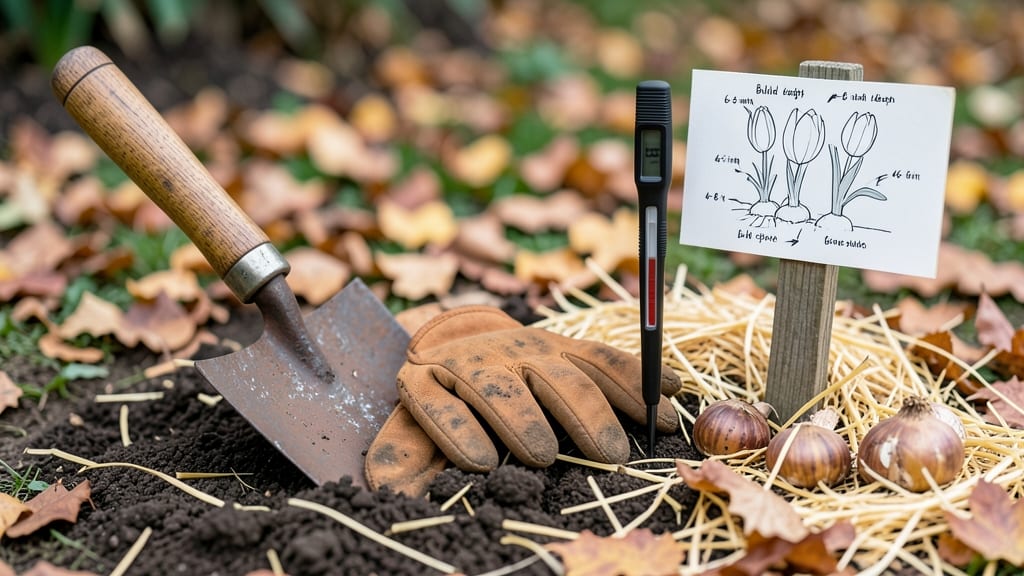
Alabama’s humid climate demands well-draining soil. Amend heavy clay with compost or sand to prevent bulb rot. Plant bulbs 6-8 inches deep, 4-6 inches apart, in a sunny spot with 6+ hours of sunlight daily.
Here’s your zone-specific planting timeline, including soil temperature thresholds and regional adjustments:
| USDA Zone | Planting Window | Soil Temp Threshold | Key Adjustment |
|---|---|---|---|
| 7b | October 1–15 | Below 50°F | Plant early to avoid wet soil |
| 8a | October 15–December 1 | Below 55°F | Later plantings OK; monitor for sprouting |
| Microclimates (e.g., mountains) | September 20–October 10 | Below 45°F | Plant 2 weeks earlier than zone average |
Alabama’s late freezes (even in spring) can damage emerging tulips. Choose early-blooming varieties like ‘Early Harbingers’ or ‘Darwin Hybrid’ to reduce frost risk. These varieties bloom 4-6 weeks earlier than late types, giving them a head start.
After planting, mulch with 2-3 inches of straw to insulate bulbs and retain moisture. Remove mulch in early spring to prevent rot. Water deeply once a week until December, then reduce to monthly if rain is scarce.
Pro tip: Mark your tulip beds with bamboo stakes to avoid accidentally digging up bulbs in spring. Alabama’s clay-heavy soils can compact easily, so aerate beds lightly in fall to improve drainage.
With the right timing and care, your Alabama tulips will reward you with bold spring blooms—just in time for March’s mild weather. Don’t miss your window! 🌷
Best tulip varieties for Alabama’s climate and when to plant them
Alabama’s warm winters and humid springs demand tulip varieties that can handle heat without bolting early. The key is choosing disease-resistant hybrids and late-blooming types that thrive in USDA Zones 7b-8a.
My top picks include Darwin Hybrid tulips for their bold blooms and Fosteriana tulips for their early spring resilience.
For heat tolerance, look for varieties like 'Apeldoorn' or 'Queen of Night'. These perform well in Alabama’s 80°F+ springs without fading. Plant them in October-November when soil temps drop below 60°F—this prevents premature sprouting.
If you love early color, try 'White Dream' or 'Red Emperor'. These bloom in late March-early April before Alabama’s humidity peaks. For late-season blooms (May), 'Black Parrot' and 'Purple Prince' shine. Their deeper roots handle Alabama’s clay-heavy soils better than shallow varieties.
🌷 Tulip Variety Heat & Humidity Ratings
Pro tip: Plant dwarf varieties like 'Tiny Star' in containers for patios—they bloom earlier and avoid Alabama’s late spring rains. For in-ground plantings, amend clay soil with compost to improve drainage. I’ve seen poor drainage cause tulip bulbs to rot in Alabama’s wet springs.
Timing matters too! Early bloomers (like 'Ice Follies') go in September-October, while late bloomers (like 'Angelique') wait until November. This staggered approach gives you color from March to May—perfect for Alabama’s mild winters.
Remember: Alabama’s humidity can cause tulip fire (a fungal disease). Choose resistant varieties and avoid overhead watering. Mulch with pine straw after planting to keep bulbs dry. With the right picks, your tulips will rebloom yearly in Alabama’s climate!